








A patio screen can make a North Texas outdoor space feel dramatically more usable, but are screens weatherproof in the way many homeowners expect? Not always. A well-built exterior screen system is engineered to tolerate sun, moisture, and normal wind exposure. That is different from being a permanent, watertight wall that can remain deployed through every thunderstorm, hail event, and high-wind warning.
For Dallas-Fort Worth homes, restaurants, medical offices, and commercial patios, the distinction matters. The right outdoor screen can reduce glare, block UV, cut solar heat, and add daytime privacy without closing off a view. Its long-term performance depends on the screen type, fabric, hardware, installation details, and how it is operated when weather turns severe.
What “Weatherproof” Means for Outdoor Screens
The term weatherproof is often used loosely. In practical terms, an exterior screen should be selected for exposure to sunlight, heat, humidity, occasional rain, and routine outdoor use. The screen fabric, powder-coated frame, side tracks, fasteners, bottom bar, and motor housing all need materials suited to an exterior setting.
That does not mean every screen is designed to stop wind-driven rain or withstand every storm. Most solar shades use an open-weave mesh. That openness is what preserves outward visibility and allows air to move through the fabric, but it also means rain can pass through. A solar screen is excellent for shade and glare control. It is not a waterproof enclosure.
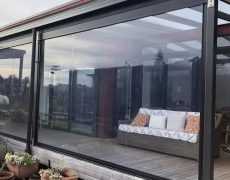
Clear vinyl systems and some tightly guided retractable screens can offer greater protection from mist, light rain, wind, and insects. Even then, they should not be treated like structural storm panels. Water can enter around edges, beneath bottom bars, or through openings created by uneven surfaces and drainage conditions.
Are Exterior Screens Built for Dallas Weather?
Quality exterior screens are built with climate exposure in mind, and Dallas presents a demanding combination: intense UV, long hot summers, sudden downpours, gusty thunderstorms, pollen, and occasional freezing temperatures. A system designed for this environment begins with components that resist fading, corrosion, and warping.
Screen fabric is one of the most important decisions. UV-stabilized solar fabrics are designed to hold their color and structural integrity under prolonged sun exposure. Darker fabrics often provide better outward visibility and glare control during the day, while lighter colors can reflect more solar energy. Openness factor also matters. A tighter weave blocks more sun and offers more privacy, while a more open weave allows more view and airflow.
The frame and guides matter just as much. Exterior-grade aluminum components with durable powder-coated finishes are far better suited to patios and large openings than basic interior hardware. In coastal areas, corrosion resistance requires even more attention, but premium exterior hardware remains valuable throughout North Texas because moisture, irrigation spray, and airborne debris can wear down lower-grade finishes over time.
A professionally measured system also accounts for the opening itself. Brick, stucco, stone, steel, and wood each require the correct mounting approach. A screen can have premium fabric and a capable motor, yet still perform poorly if its guides are not secured to a sound, level structure.
Rain Resistance Is Not the Same as Waterproofing
If your goal is to keep a covered patio comfortable during a passing shower, an outdoor screen may help significantly. Guided screens reduce the amount of blowing rain that enters from the sides, and a dense fabric can soften wind and spray. On a covered patio with proper roof drainage, that may be enough to keep furniture and guests more comfortable.
If the goal is a completely dry, climate-controlled room, screens alone are not the answer. They cannot replace walls, windows, roofing, flashing, gutters, or proper drainage. The more exposed the opening, the more realistic expectations become essential.
This is especially relevant for restaurants and clinics using patio-adjacent areas. A screen system can improve comfort and control glare at specific times of day, but the space still needs a plan for heavy rain, drainage, and severe weather. The best solution is based on how the area is actually used, not simply on the largest opening a screen can cover.
Wind Is the Biggest Performance Variable
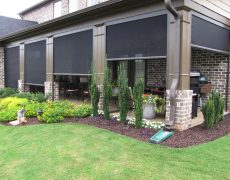
Wind creates more stress on an exterior screen than ordinary rain. A large screen behaves like a sail when gusts hit it, particularly with tightly woven fabrics or clear vinyl. That is why guided systems are preferred for wide patio openings and commercial applications. Side tracks or zipper-guided channels help keep the fabric aligned and reduce flapping at the edges.
Still, no responsible installer should describe a retractable screen as invulnerable to severe wind. Wind tolerance depends on the opening width and height, fabric selection, guide design, mounting surface, exposure, and whether the screen is fully lowered. A protected courtyard and a second-story west-facing patio do not experience the same forces.
Motorized controls can make this easier to manage. Wind sensors can be programmed to raise compatible screens when gusts exceed a selected threshold. Smart-home routines can also raise screens at night, during a forecasted storm, or when the home is placed in an away mode. Automation adds convenience, but it should support good operating habits rather than replace them.
When a severe thunderstorm, hail event, or high-wind warning is expected, retracting the screen is usually the right decision. Raising it protects the fabric, bottom bar, guides, and motor from unnecessary stress while leaving the opening clear for weather to pass.
The Motor and Electrical System Need Outdoor Protection
A motorized exterior screen has more than fabric and tracks to protect. The motor, wiring, power supply, controls, and any connected sensors must be specified for the installation environment. Depending on the product and location, this may include weather-rated motor housings, protected wire routing, exterior-rated electrical connections, and placement that keeps critical components away from standing water.
This is where custom design and professional installation provide a meaningful advantage. Power should be planned before final installation whenever possible, particularly on new construction, major remodels, and commercial projects. A clean electrical plan avoids exposed cords, awkward retrofit decisions, and service issues later.
For smart-home users, the screen should also integrate reliably with the control system already in place. Whether a project uses Alexa, Google Home, Apple HomeKit, or Matter-compatible controls, the goal is straightforward operation: one command, one schedule, and predictable screen movement. ShadeoTech designs this level of coordination into the broader window treatment plan rather than treating automation as an afterthought.
How to Extend the Life of an Outdoor Screen
Exterior screens do not require complicated maintenance, but routine care protects their appearance and function. Brush away loose dust, pollen, leaves, and insect debris before buildup becomes embedded in the fabric or side tracks. A gentle rinse with clean water is often sufficient; harsh chemicals and pressure washers can damage fabric coatings, finishes, seals, and moving components.
Keep the tracks free of debris and avoid operating the screen when ice, mud, branches, or patio furniture block its path. If the fabric begins tracking unevenly, the screen makes unusual noise, or the bottom bar does not sit level, stop using it and have the system inspected. Continuing to run a misaligned screen can turn a minor adjustment into a larger repair.
For covered patios, it also helps to inspect gutters and roof runoff. Water pouring directly onto the screen cassette or pooling around the base of a guide is not an ideal operating condition, even with exterior-rated materials.
Choosing the Right Screen for the Exposure
The best outdoor screen is not necessarily the one with the darkest mesh or the largest motor. It is the system matched to the opening, architectural finish, weather exposure, and intended use. A sun-facing patio may prioritize solar control and view preservation. A restaurant terrace may need guided operation, durable commercial hardware, and a coordinated control strategy. A poolside pavilion may need insect protection and privacy without stopping natural airflow.
During a custom consultation, the most useful question is not simply whether a screen is weatherproof. Ask what weather it is designed to handle, what conditions require retraction, and how the installation will manage water, wind, power, and daily use. Those answers lead to an outdoor shading system that looks refined on day one and performs reliably through many Texas summers.
A well-designed exterior screen should make an outdoor space more comfortable without asking you to worry about it every time the sun shifts. Choose the right level of protection, operate it with the weather in mind, and it can become one of the most practical upgrades on the property.
