








A west-facing Dallas patio can be enjoyable at breakfast and nearly unusable by late afternoon. The same intense sun that brightens a room can turn outdoor seating, restaurant patios, and clinic waiting areas into high-glare, high-heat spaces. When people search for “zip screen automated,” they are usually looking for a cleaner answer than umbrellas, fixed curtains, or manual shades that stay up when protection is needed most.
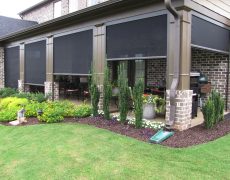
An automated zip screen is a motorized exterior screen that lowers into side tracks and creates a taut, finished barrier across an opening. It gives homeowners and commercial properties on-demand shade, UV control, insect protection, and added privacy without closing off the architecture of the space.
What Makes an Automated Zip Screen Different?
Traditional outdoor shades can sway, gap at the sides, or look unfinished when exposed to wind. Zip screen systems use a fabric edge secured within engineered side channels. That retention system keeps the screen aligned and tensioned as it moves, creating a more polished appearance and better perimeter coverage than a standard cable-guided or free-hanging shade.
The motorized operation is just as important as the track system. With a remote, wall control, app, voice command, or scheduled automation, the screen can lower before the afternoon heat settles in. It can rise when you want an open view, fresh air, or easy access between an indoor living area and the patio.
For North Texas properties, that control matters. Sun exposure can shift quickly across large patios, covered outdoor kitchens, and banks of contemporary glass. A custom automated screen lets the space respond to those conditions instead of forcing you to adjust your plans around them.
Where Automated Zip Screens Deliver the Most Value
Automated zip screens are designed for openings where fixed construction would feel too permanent and manual shades would be inconvenient. They are especially effective on covered patios, pergolas, outdoor kitchens, pool houses, balconies, and garage-style entertaining spaces.
In a residence, the most immediate benefit is comfort. Lowering a screen can reduce direct sun and glare while preserving airflow and outward visibility, depending on the fabric selected. That makes a patio more usable for family dinners, weekend gatherings, or a quiet work call outside.
For restaurants, the value extends to revenue-generating seating. A patio that is too hot, bright, windy, or insect-prone becomes difficult to use consistently. Automated screens help operators adjust their environment quickly as weather and daylight change, while maintaining the clean, intentional look guests expect.
Medical clinics and professional offices can use these systems to control glare and privacy around exterior waiting areas, covered entrances, and exposed glass. Contractors and builders also specify zip screens for new construction because they offer a high-end outdoor feature without changing the open character of the design.
The Benefits Are More Than Shade
A well-designed screen system does not need to block every view to make a meaningful difference. The right openness factor and fabric color can soften harsh light, reduce visual discomfort, and preserve the connection to the landscape.
Better Heat and Glare Management
Exterior shading stops solar energy before it reaches the glass or occupied outdoor area. This is particularly useful for patios facing west or south, where late-day heat can be aggressive. While no screen replaces a fully conditioned indoor space, it can make a substantial difference in how comfortable an outdoor area feels during much of the year.
Glare control is equally valuable. Sun bouncing off pools, paving, glass tabletops, or nearby windows can make a space uncomfortable even when temperatures are manageable. Lowering an automated screen at the right time improves visibility for dining, entertaining, watching television, or using a laptop outdoors.
UV Protection for People and Furnishings
Quality exterior screen fabrics are selected for solar performance, not just appearance. They can help reduce direct UV exposure in outdoor living zones and protect furniture, flooring, rugs, and finishes near large openings from excessive fading.
The exact level of protection depends on the fabric, weave, and openness selected. A more open fabric typically retains more visibility and airflow, while a tighter weave offers greater privacy and solar control. This is one of the decisions that should be made during a professional consultation, not from a generic product shelf.
Insect Control Without a Permanent Enclosure
Mosquitoes and other insects can end an outdoor evening quickly. A zip screen provides a more complete perimeter than many loose outdoor shade options, helping make covered patios and outdoor kitchens more comfortable after sunset.
It is not always necessary to screen every side of a patio. Some properties benefit from a single sun-facing screen, while others need two or three motorized openings to create a flexible enclosure. The right configuration depends on exposure, wind direction, roof structure, traffic flow, and how the space is actually used.
Smart Automation Makes the System Practical
The convenience of an automated zip screen is not simply pressing a remote button. It is the ability to make solar control part of the way your property operates.
A screen can be scheduled to lower before the strongest afternoon sun reaches the patio, then rise in the evening for an unobstructed view. It can be grouped with motorized interior shades, exterior lighting, and other smart-home scenes. For example, an “Outdoor Dinner” scene might lower the west screen, activate landscape lighting, and set the interior shades near patio doors to reduce reflected glare.
ShadeoTech can integrate compatible motorized systems with Alexa, Google Home, Apple HomeKit, and Matter-enabled smart-home environments. The best setup depends on the motor platform, control preferences, and the ecosystem already in the home or commercial property. A thoughtful installation avoids the common frustration of adding one more app or remote that no one wants to use.
Wind sensors can also be worth considering for exposed installations. They can trigger a protective response based on configured conditions, though sensor strategy should be tailored to the specific structure and local exposure. Automation improves convenience, but professional guidance is still needed to protect the system and establish appropriate operating expectations.
Choosing Fabric, Color, and Openness
The screen fabric determines much of what you see and feel after installation. Darker fabrics often provide clearer outward visibility because they reduce reflected light, while lighter fabrics can complement a brighter exterior palette and may make more sense for certain architectural styles. Neither is automatically better.
Openness factor is another key choice. A more open weave provides better outward visibility and airflow but allows more light through. A tighter weave increases shade, privacy, and insect control but can make the screen feel more visually present. For a pool-facing patio where the view is central, a more open fabric may be the right fit. For a restaurant perimeter beside a busy street, privacy and solar control may take priority.
Frame and hardware colors should align with the building’s trim, columns, window frames, or patio structure. Because the side tracks remain visible, proportion and finish matter. A custom system should look integrated into the architecture rather than added as an afterthought.
Why Measurement and Installation Matter
Zip screens are precision systems. The opening must be measured accurately, the mounting surface must be assessed, and the housing, tracks, fabric, and motor must all be matched to the size and conditions of the installation.
This is particularly important for large openings. Wider screens may require specific fabric choices, reinforced components, or design adjustments to maintain proper alignment and performance. An installer also needs to account for electrical access, drainage, mounting material, clearance around doors, and how the screen will interact with existing fans, lighting, grills, and furniture.
Factory-direct local manufacturing provides an advantage here. Rather than trying to force a stock size into an architectural opening, a custom-built screen can be engineered around the actual dimensions and use of the space. That is especially valuable across Dallas-Fort Worth, where custom patios and large contemporary openings are common.
Is an Automated Zip Screen Right for Your Space?
An automated zip screen is a strong fit when you want flexible protection rather than a permanently enclosed porch. It offers more convenience and a cleaner result than manual outdoor shades, but it is also a more specialized investment. The right solution depends on opening size, exposure, desired privacy, wind conditions, smart-home goals, and the quality of the structure supporting the system.
Before selecting fabric or controls, stand in the space at the time of day it is hardest to use. Notice where the sun enters, where glare lands, how wind moves through the opening, and whether privacy or insects are part of the problem. Those details turn an exterior screen from a nice accessory into a custom performance upgrade that makes the space work when you want to use it.
