

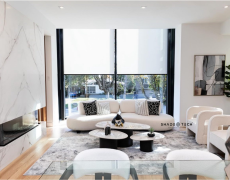
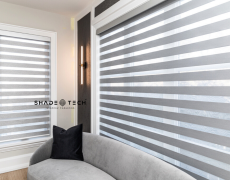
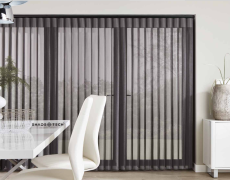
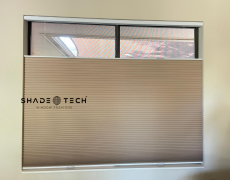

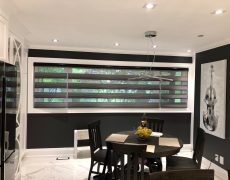
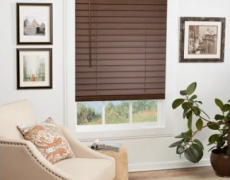
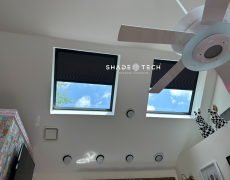


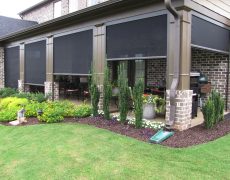

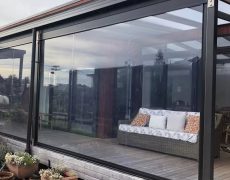



A wall of glass can be one of the best features in a Dallas home – until the afternoon sun turns the room into a bright, hot, glare-filled space. UV blocking roller shades give homeowners a cleaner way to protect furnishings, improve comfort, and preserve the open look of large windows without covering them in heavy fabric treatments.
For North Texas homes, UV protection is not a minor upgrade. Strong sun exposure can fade hardwood floors, area rugs, artwork, upholstery, and wood cabinetry over time. The right roller shade fabric filters damaging light before it reaches the interior while maintaining the level of privacy, view-through, and daylight a room actually needs.
What UV Blocking Roller Shades Do
UV blocking roller shades are engineered with specialty fabrics that filter ultraviolet radiation and manage visible light. Depending on the material and construction, they can block a substantial percentage of UV exposure while reducing glare and solar heat gain at the glass.
That distinction matters. A shade can make a room look darker without necessarily delivering the performance needed for sun-exposed interiors. Quality solar screen fabrics are selected for their ability to filter light at the window, where the shading system has the greatest opportunity to protect the room and improve comfort.
For a living room facing west, this can mean enjoying the view without squinting through late-day glare. In a home office, it can mean a computer screen stays usable without closing the room off completely. In commercial settings, such as medical clinics, restaurants, and conference rooms, it helps create a more consistent guest and employee experience throughout the day.
Why Dallas-Fort Worth Homes Need Better Sun Control
Dallas-Fort Worth sunlight brings more than brightness. Long cooling seasons, high solar intensity, and large contemporary window layouts can place real demands on a home’s HVAC system and interior finishes. South- and west-facing glass is especially likely to create hot spots that make certain rooms harder to use in the afternoon.
Roller shades address that issue at the source. By filtering solar energy before it spreads through the room, they can reduce the burden on air conditioning and make temperatures feel more even near the windows. They are not a substitute for properly insulated glass, but they are a highly effective layer in a broader comfort strategy.
The benefits are equally practical for designers and homeowners protecting a finished space. A custom shade system can help preserve the color of a new sofa, reduce harsh reflections on stone or hardwood flooring, and keep artwork from receiving the same direct exposure every day. The result is a room that holds its intended look longer.
Choosing the Right Openness Factor
The most important decision is often the fabric’s openness factor. This describes the density of the weave and how much view-through the material permits. It affects privacy, glare control, light transmission, and how visible the exterior remains when the shades are down.
A 1% openness fabric has a tighter weave. It offers stronger glare reduction and greater daytime privacy, making it a strong choice for sun-heavy bedrooms, media rooms, offices, and windows with nearby neighbors. The view outside will be more muted, but daylight can still enter the space.
A 3% or 5% openness fabric offers a more balanced approach for many living areas. It can soften intense sun while preserving a clearer outward view. In a great room with expansive glass, this is often the best fit when homeowners want solar control without losing the architectural connection to the outdoors.
A 10% openness fabric provides the clearest view and a lighter appearance, but it allows more light through. It may work well in a lightly exposed space, yet it is not always the best answer for a west-facing wall of glass. The right choice depends on the window orientation, the room’s use, nearby homes, and how sensitive the furnishings are to fading.
Solar Shades vs. Blackout Shades
Solar shades and blackout roller shades solve different problems. A solar shade is designed to filter sunlight, maintain some daytime visibility, and reduce glare. It is usually the better choice for kitchens, living rooms, offices, lobbies, and dining spaces where natural light is still welcome.
Blackout shades use opaque material to block visible light. They are ideal for bedrooms, nurseries, media rooms, or spaces where sleep, privacy, or screen viewing takes priority. A blackout fabric can provide excellent light control, but light can still enter around the sides of a standard roller shade.
For the darkest possible result, the shade needs a carefully measured installation and, where appropriate, side channels or a dual-shade configuration. Many homeowners choose two shades at one window: a solar shade for daytime UV and glare management, plus a blackout shade for nighttime privacy and room darkening. It is a premium solution, but it offers control that a single fabric cannot provide.
The Details That Determine Performance
High-performing UV shades are not selected by fabric sample alone. The complete system determines how well the shade looks and works over time. Four details deserve attention during a custom consultation:
- Fabric performance: UV filtration, openness, color, and fire-rating requirements should align with the room and project type.
- Mounting position: Inside mounts create a tailored look, while outside mounts can cover more glass and reduce light gaps.
- Roll direction and hardware: These choices affect clearance around handles, trim, and window cranks, as well as the finished appearance.
- Motor and control method: Wired, battery, and hardwired options each have practical advantages depending on the window layout and renovation stage.
Color is another useful example of trade-offs. Darker solar fabrics often provide better outward visibility because they reduce reflected light on the interior-facing side. Lighter colors can create a softer visual effect and better suit a pale interior palette, but they may reflect more light back into the room. A professional sample review in the actual space is far more reliable than choosing from a screen image or small showroom swatch.
Motorization Makes Protection Automatic
The best UV protection is the protection that is used consistently. Motorized roller shades make that much easier, especially across tall windows, stairwells, and large banks of glass where manual operation is inconvenient.
A programmed schedule can lower shades on west-facing windows before the strongest afternoon sun arrives, then raise them later to restore the evening view. Smart shades can also be grouped by room, controlled by wall keypad, app, remote, or voice assistant, and integrated with Alexa, Google Home, Apple HomeKit, and compatible Matter-based systems.
Automation should feel purposeful, not complicated. A homeowner may want the kitchen shades to lower during the hottest part of the day, while the bedroom shades follow a separate morning and evening routine. A restaurant may need shades to respond consistently before lunch service. A clinic may prioritize glare reduction in waiting areas while preserving daylight in treatment spaces.
Reliable operation starts with correct planning. Power access, window dimensions, mounting surface, Wi-Fi coverage, and control preferences should be addressed before installation. This is where a custom manufacturer and installer brings more value than an off-the-shelf shade ordered without a site assessment.
Why Custom Measurement Matters
Large windows expose every installation shortcut. A shade that is even slightly undersized can leave distracting light gaps. A poorly positioned bracket can interfere with trim or prevent the shade from hanging level. On motorized systems, inaccurate measurements can affect both the finished appearance and day-to-day operation.
Custom fabrication allows the shade width, fabric, hem bar, mounting method, and motorization to be designed around the actual opening rather than an assumed standard size. For builders and contractors, that precision also helps coordinate shades with recessed pockets, electrical planning, and finish details before the project reaches its final stage.
ShadeoTech manufactures custom window treatments locally in Carrollton and installs them with the North Texas climate, architecture, and smart-home requirements in mind. That direct process gives homeowners and trade partners one accountable team from measurement through setup.
A Better Way to Protect a Sun-Filled Room
UV blocking roller shades work best when they are treated as part of the room’s design and performance plan, not as an afterthought once the glare becomes unbearable. Start with the windows that receive the strongest direct sun, identify what needs protection, and decide whether the priority is view preservation, privacy, room darkening, or automated comfort.
The right custom shade lets a bright Dallas room stay bright on your terms – with less glare, less heat at the glass, and far more confidence that the finishes you selected will continue to look their best.
