

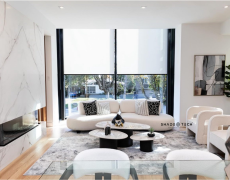

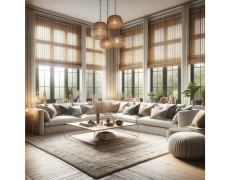






A west-facing wall of glass can turn a beautiful Dallas living room into the hottest room in the house by midafternoon. When the air conditioner runs longer to offset that direct sun, the issue is not just comfort – it is a building-performance problem at the window. Can blinds lower energy bills? Yes, when they are selected, fitted, and operated for the way your home receives sun.
Blinds are not a replacement for proper insulation, efficient HVAC equipment, or high-performance windows. They are, however, one of the most practical ways to manage solar heat gain at the point where it enters. For North Texas homes with large contemporary windows, tall ceilings, and strong afternoon exposure, custom window treatments can make a measurable difference in room temperature, glare, and HVAC runtime.
How Can Blinds Lower Energy Bills?
Windows admit daylight, views, and solar energy. In summer, that solar energy can quickly become unwanted interior heat. Glass alone provides far less insulation than a well-built exterior wall, and direct sunlight can warm flooring, furniture, countertops, and interior air. Once those surfaces absorb heat, the cooling system must remove it.
Blinds and shades reduce that load by intercepting sunlight before it spreads through the room. The degree of improvement depends on the fabric or material, color, opacity, fit, window orientation, and whether the treatment is inside or outside the glass. A carefully specified solar shade may preserve a view while cutting glare and a meaningful portion of solar gain. A cellular shade can add insulation and improve comfort when the sun is down or temperatures drop.
The savings are rarely a fixed percentage for every house. A shaded north-facing bedroom will not perform like a two-story great room with unprotected west-facing glass. Still, homeowners often notice the immediate operational benefit first: rooms stay more even in temperature, the thermostat does not need as much correction, and the AC is less likely to run continuously during peak afternoon hours.
The Window Treatment Matters More Than the Label
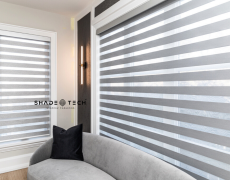
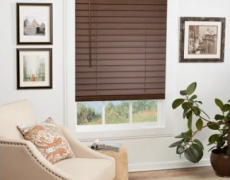
Not every blind performs the same way. Standard aluminum or faux-wood blinds offer adjustable light control, but their slat gaps can allow heat and light to pass through. They can improve comfort when closed and angled properly, yet they are not always the strongest option for solar management on expansive sun-facing windows.
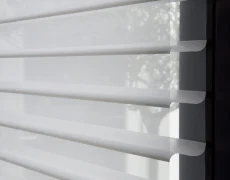
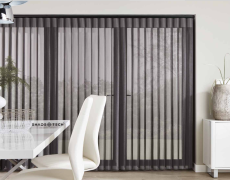
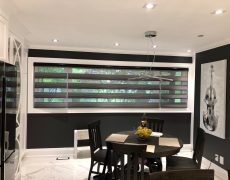
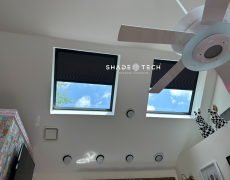
Solar roller shades are often an excellent fit for Dallas homes because they are designed to manage glare and solar exposure without making a room feel closed off. Their openness factor determines how much light and view remain. A lower openness fabric provides greater privacy and stronger solar control, while a higher openness fabric keeps more of the outdoor view. The right choice depends on the window’s exposure, the room’s purpose, and whether privacy is needed at night.
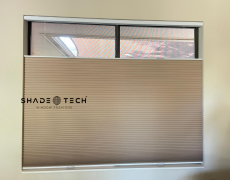
Cellular shades use air pockets to create an insulating layer at the window. They are particularly useful in bedrooms, offices, and rooms that experience both hot summer sun and cooler winter nights. More cells or larger cell structures can improve insulation, but fabric selection and precise fit still matter.
For homeowners who prefer the architectural presence of shutters, well-made plantation shutters can provide excellent light control and a durable, tailored look. Closing the panels and adjusting louvers limits direct sunlight, although their energy performance varies by material, fit, and louver design. They are often chosen as much for permanence and design as for energy control.
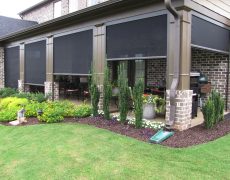
Exterior screens deserve attention as well. By stopping a portion of solar radiation before it reaches the glass, motorized exterior screens can be highly effective on patios, covered outdoor areas, and exposed windows. They also help create more usable outdoor spaces during intense North Texas heat.
Fit, Orientation, and Fabric Drive Performance
A window covering only performs as well as its installation allows. Gaps around the sides, top, and bottom permit light and hot air to bypass the material. On a large or unusually shaped window, a retail, off-the-shelf shade may look acceptable while leaving enough exposure to reduce its practical benefit.
Custom measurement is especially valuable for wide openings, corner glass, sliding doors, and high ceilings. The treatment can be specified for the opening, mounted correctly, and designed to move reliably over time. That precision also affects appearance. A shade that tracks cleanly and aligns consistently is more likely to stay closed when the sun is strongest.
Orientation should guide the conversation. East-facing windows bring early heat and glare. West-facing windows tend to create the most demanding late-day cooling load, especially in open-plan homes where sunlight reaches deep into living spaces. South-facing glass receives substantial sun over the course of the day, while north-facing windows often prioritize privacy and diffuse-light management instead.
Color and fabric matter, too. Light-colored, reflective backing can help manage solar energy, while darker fabrics may improve outward visibility but absorb more heat. The best specification is not always the darkest or most opaque one. A media room may need blackout performance; a kitchen may benefit more from a solar fabric that preserves daylight without the afternoon glare.
Automation Turns Good Shades Into a Daily Energy Strategy
The most effective blind is the one that closes at the right time. That is where motorization changes the equation.
Manual treatments depend on someone being home, noticing the glare, and adjusting every window individually. In a busy household, that usually means the shades stay open until a room is already uncomfortable. Motorized blinds and shades can follow a schedule, respond to sunrise and sunset, or work with smart-home routines. A west-facing shade can lower before the strongest afternoon sun reaches the glass, then raise later to restore the view.
For Dallas-area homeowners, a practical schedule might close sun-exposed shades during peak cooling hours and open them during lower-load periods. In winter, selective opening can allow useful sunlight into the home, while closing shades at night can improve the sense of insulation near the glass. The goal is not to keep every treatment closed all day. It is to control heat and light intentionally.
Integration matters here. Systems compatible with Alexa, Google Home, Apple HomeKit, and Matter-enabled smart-home platforms can make shade control part of a broader routine. A “leaving home” scene can lower selected shades, while an evening routine can create privacy and reduce glare without walking room to room. For commercial settings, scheduled shades can improve comfort for staff and guests while supporting consistent operation across a restaurant, clinic, or office.
Automation should still be thoughtfully programmed. Closing every shade at noon may be unnecessary, and it may reduce the natural light that makes a space enjoyable. Room-by-room control, sun exposure, and daily use patterns produce better results than a one-size-fits-all schedule.
Energy Savings Come With Other Valuable Returns
Lower cooling demand is the headline, but it is not the only benefit. Window treatments reduce glare on televisions and computer screens, which can make living rooms and home offices more usable throughout the day. They also limit UV exposure that can fade hardwood floors, upholstery, artwork, and cabinetry over time.
Comfort has financial value, even when it does not appear as a separate line item on a utility bill. A room that remains usable in the afternoon is less likely to require a portable fan, thermostat adjustment, or avoidance altogether. In commercial spaces, better glare control can improve the experience for customers, patients, and employees while giving the interior a more polished, consistent appearance.
There are trade-offs. Heavier blackout fabrics provide stronger privacy and light blockage but can hide views. Solar shades maintain daylight but may not provide complete nighttime privacy. Motorization adds upfront cost, although it improves convenience and makes consistent energy-conscious operation far more realistic. The right solution balances performance with how the room should look and feel.
Start With the Windows That Work Hardest
If energy reduction is the priority, begin with the windows that receive the harshest direct sunlight rather than trying to treat every opening the same way. Look for rooms that heat up noticeably, areas where the AC struggles in late afternoon, and glass near televisions, workspaces, or valuable furnishings.
A professional consultation should assess orientation, glazing, room use, mounting options, privacy requirements, and smart-home goals before a fabric is selected. Local manufacturing and professional installation also help ensure that large, complex, or high windows receive a treatment designed for real conditions instead of a generic fit.
For Dallas-Fort Worth homes and businesses, the smartest window covering is not simply the one that looks best in a sample book. It is the one that manages North Texas sun with precision, works reliably every day, and makes the space more comfortable long after the installation is complete. ShadeoTech approaches that balance through custom manufacturing, measured installation, and automation designed around the way each property is used.
