

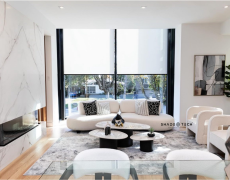
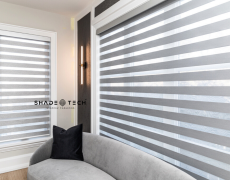
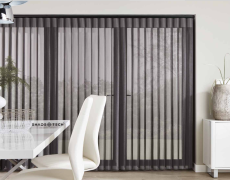







A shade that looks perfect in a showroom can fail fast on a west-facing wall in North Texas. Fabric fades, motors struggle, gaps show, and heat still pours into the room. That is why choosing a custom shades manufacturer is not really about picking a style first. It is about finding a partner that understands measurement, material performance, automation, and installation as one connected system.
For homeowners, builders, restaurants, and clinics, that distinction matters more than most people expect. Window coverings are often treated like a finishing touch, but in large-window homes and high-use commercial spaces, they affect glare control, privacy, energy use, and daily convenience. If the product is custom but the process is fragmented, the final result rarely feels premium.
What a custom shades manufacturer actually does
A true custom shades manufacturer does more than assemble blinds to a rough opening size. The manufacturer should be able to control material selection, build tolerances, fabrication standards, and compatibility with motors and control systems. That level of control leads to a better fit and more consistent operation, especially in rooms with oversized windows, tall ceilings, patio openings, or multiple shades that need to align visually.
This is also where factory-direct service changes the experience. When design consultation, measurement, manufacturing, installation, and smart-home setup are handled in one workflow, fewer details get lost. There is less finger-pointing if something needs adjustment, and more accountability from the first visit to final programming.
By contrast, many retail purchases split the process across a salesperson, a third-party measurer, an outsourced fabricator, and a subcontracted installer. That model can work for simple windows, but it often breaks down when the project involves motorization, specialty fabrics, or demanding architectural layouts.
Why local manufacturing matters in Texas
Not every shade needs to be built locally, but local manufacturing offers real advantages when speed, precision, and climate performance matter. In the Dallas-Fort Worth market, sun exposure is intense, and many homes feature expansive glass that looks impressive but can create heat gain and glare all day long.
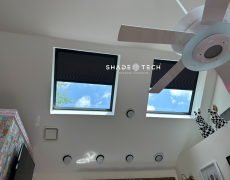
A local custom shades manufacturer can recommend fabrics and opacity levels based on how a room actually behaves in this climate, not just how a sample looks under showroom lighting. South- and west-facing windows often need a different strategy than shaded rooms or bedrooms. The right choice may be solar shades in one area, blackout roller shades in another, and motorized layered solutions in spaces that serve multiple functions.
Lead times can improve as well. More importantly, adjustments tend to be easier when the manufacturing team is close to the project. If a builder needs coordination on a new construction timeline or a homeowner wants final measurements after flooring and trim are complete, local production creates more flexibility.
The best custom shades manufacturer starts with measurement, not marketing
Custom window treatments are only as good as the measuring process behind them. That sounds obvious, but it is one of the most common failure points in the category. A product can use premium fabric and quiet motors, yet still look wrong if the recess depth was misread, if the brackets were not planned around casing details, or if the installer had to improvise on site.
Precise measurement becomes even more critical with motorized shades. Power planning, charging access, valance dimensions, and control alignment all need to be considered before fabrication starts. On large banks of windows, even small inconsistencies become easy to spot. One hemline slightly off can disrupt the entire wall.
That is why experienced manufacturers treat measuring as a technical step, not a courtesy visit. They account for mounting surface, light gaps, fabric behavior, and the end user’s priorities. Sometimes the best-looking solution is not the best-performing one, and vice versa. A good manufacturer will explain that trade-off clearly instead of pushing a one-size-fits-all answer.
Materials, motors, and performance should be discussed together
Shades are no longer just fabric and hardware. In many homes and commercial spaces, they are part of a larger comfort and automation strategy. That means material choices should be evaluated alongside motor options, control methods, and everyday use patterns.
For example, a solar shade fabric that preserves a view may still allow more evening visibility from outside than the client expects. A blackout solution may block light well but require side-channel detailing or a different mounting approach to reduce edge glow. A battery motor may be a clean fit for one room, while hardwired motors make more sense in a full-home installation or in commercial settings where reliability and maintenance planning are higher priorities.
Smart-home compatibility matters too, but only if it works without friction. Voice control is convenient. Scheduled automation is often even better. Shades that lower automatically in the afternoon can reduce heat load and glare without anyone thinking about it. In media rooms, bedrooms, clinics, and conference spaces, that consistency adds real value.
The strongest manufacturers understand the practical side of these systems. They can advise on integration with Alexa, Google Home, Apple HomeKit, and Matter-ready ecosystems, but they also know when to recommend a simpler control setup. Not every project needs maximum complexity. The goal is dependable performance that fits the space and the client’s routine.
Design matters, but function decides whether you still like them in six months
A lot of buyers start with color, texture, and openness factor. That makes sense. Shades are highly visible, and they need to work with the architecture and interior palette. But long-term satisfaction usually comes down to function.
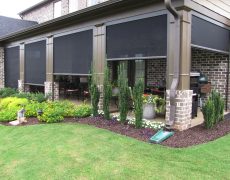
If a beautiful woven shade leaves a room too bright for morning use, the design win feels short-lived. If a manually operated shade is mounted over a tall window wall, convenience becomes a daily issue. If an outdoor screen looks clean but cannot handle the site conditions, the product will not age well.
A strong manufacturer helps narrow choices based on how the room is used. Family rooms need glare control without making the space feel closed off. Bedrooms may need better darkness and quieter operation. Restaurants and medical clinics often need a polished appearance, dependable daily cycling, and materials that hold up under repeated use. Builders and contractors need a partner who can produce consistent results across multiple openings and stay aligned with project timelines.
This is where a company like ShadeoTech has an advantage. Local manufacturing, professional installation, and smart-home setup are managed as one service rather than separate transactions, which helps the finished system perform the way it was specified.
Questions worth asking any custom shades manufacturer
Before moving forward, it helps to ask a few direct questions. Where are the shades manufactured? Who handles final measurement and installation? What motor systems are offered, and how are they supported after install? Are the materials selected for local sun and heat conditions, or just for appearance? What happens if an opening needs adjustment after fabrication?
The answers reveal how much control the company actually has over quality. They also show whether the business is built around service or around order volume. Those are not the same thing.
Price should be part of the conversation, but not the only one. Factory-direct pricing can create strong value, especially when it removes retail markup without sacrificing installation quality. Still, low pricing on paper does not mean much if the process creates delays, visible fit issues, or automation problems later.
Who benefits most from a custom approach
Custom shades make the biggest difference in spaces where standard sizing falls short. That includes homes with large contemporary windows, patio doors, arched or oversized openings, and rooms with strong sun exposure. It also includes businesses that need consistent aesthetics and reliable daily operation.
For homeowners, the value is often a mix of comfort, appearance, and convenience. For commercial clients, it can be operational efficiency, durability, and a cleaner customer-facing environment. Contractors and builders benefit from coordinated execution and fewer surprises at installation.
The common thread is this: custom is worth it when the details matter. And in shading projects, they usually do.
The right manufacturer will not just help you choose a product that looks good on day one. They will help you build a system that fits the space, works with the way you live or operate, and keeps doing its job long after the install crew leaves.
