

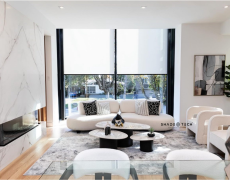
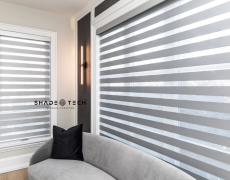
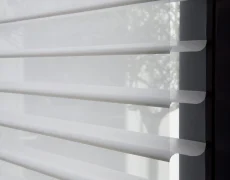
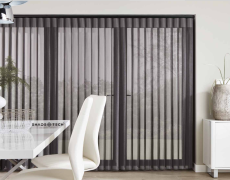







A west-facing Dallas living room can become uncomfortable long before the afternoon is over. Direct sun raises temperatures, washes out screens, fades finishes, and makes a beautiful wall of glass harder to enjoy. Somfy motors turn custom shades from a manual accessory into a responsive part of the home – one that can manage glare, privacy, and heat gain on a schedule or at the touch of a button.
For homeowners, builders, designers, and commercial property managers, the real value is not simply pressing a remote. It is having window treatments that operate reliably across wide openings, high windows, and daily routines while preserving a clean, tailored appearance. The right motor, shade fabric, control system, and installation method must work together.
What Somfy Motors Change in a Custom Shade System
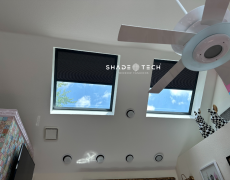
Somfy is a recognized name in motorized window coverings because its motors are designed specifically for shades, blinds, drapery, screens, and similar architectural products. In a custom installation, the motor is concealed inside the shade tube or headrail. The finished treatment retains the streamlined look of a manually operated shade, without visible cords or the need to reach across furniture.
That matters especially in North Texas homes with tall ceilings, large contemporary windows, patio doors, and expansive glass facing the sun. A motorized shade makes these openings practical to control every day, not just when someone has time to adjust each one manually.
The benefits are immediate. A morning routine can open bedroom shades gradually. A midday scene can lower solar shades in sun-exposed rooms before heat builds up. An evening command can close interior shades for privacy while maintaining a composed exterior appearance. In a restaurant, clinic, or conference room, scheduled shading can reduce glare and create a more comfortable environment for guests, patients, and staff.
Quiet operation is equally important in premium interiors. Quality motorization should feel integrated into the room, not like a loud mechanical event. Actual sound levels vary by product, shade size, and mounting conditions, but professional product selection and precise installation make a meaningful difference.
Battery, Wired, or Solar: Selecting the Right Power Source
There is no single best power option for every project. The correct choice depends on the window location, construction stage, shade size, usage pattern, and the level of control expected from the system.
Battery-powered Somfy motors are often a strong fit for finished homes where running new electrical wiring would require opening walls or ceilings. They provide a clean cordless result and are well suited to many standard-sized roller shades, Roman shades, and cellular shade applications. Rechargeable battery solutions can reduce maintenance compared with disposable batteries, although every battery-powered system will eventually need charging or replacement.
Hardwired motors are typically the premium choice for new construction, major remodels, and large-scale projects. They eliminate routine battery maintenance and are well suited to frequently used shades, oversized window treatments, and installations where long-term automation is central to the design. Wiring should be planned early, particularly when shades will be recessed into ceiling pockets or integrated with a larger smart-home control system.
Solar-powered options can be useful where a small solar panel can receive adequate light and the design supports it. They can extend the time between charging needs, but they are not a universal answer. Deep overhangs, shaded elevations, window films, and certain architectural conditions can limit solar performance. A site-specific evaluation is more useful than choosing power based on convenience alone.
For Dallas-area projects, planning the motor and power source alongside the window treatment is the most reliable path. A motor that performs well on a modest bedroom roller shade may not be the right specification for a wide, heavy dual-shade system in a two-story great room.
Shade weight and window geometry matter
Motor selection is not only about whether a shade moves. It is about how consistently it moves over years of use. Fabric width, roller diameter, hem bar weight, clutch-free lift design, and mounting location all affect the required motor capacity.
Large windows can also introduce alignment challenges. If the opening is slightly out of square or a shade is mounted without exact measurements, even a premium motor cannot compensate for poor fit. Custom manufacturing and professional installation protect the appearance and operation of the completed system.
Smart-Home Control Without the Daily Friction
The best automation is useful even when nobody thinks about it. Somfy-powered shades can be operated by handheld remotes, wall controls, mobile apps, timers, and compatible smart-home platforms, depending on the motor and control architecture selected.
For a homeowner with Alexa, Google Home, Apple HomeKit, or a broader Matter-enabled smart-home plan, compatibility should be discussed before ordering. Not every motor communicates in the same way, and some systems require a dedicated bridge, hub, or compatible control interface. The goal is to avoid creating a collection of disconnected devices that only work through separate apps.
A professionally configured system can support practical scenes. “Good morning” might raise kitchen and living room shades while preserving privacy in bedrooms. “Away” can lower selected shades during the hottest part of the day. “Movie time” can reduce glare at the touch of one command. These routines are particularly valuable in homes with multiple elevations and many motorized openings.
Automation also supports energy-conscious operation, though it should not be sold as a substitute for efficient glass, insulation, or HVAC design. Solar shades and blackout materials can help manage solar load and glare. When they are scheduled to deploy before direct sun enters a room, they can reduce the strain placed on cooling systems while improving comfort near the glass.
Where Somfy Motors Deliver the Most Value
Motorization is especially compelling when manual operation is inconvenient, inconsistent, or visually disruptive. High windows are an obvious example, but the more meaningful factor is frequency. A shade that should be adjusted twice a day for comfort will provide more value when it is automated than one that is rarely touched.
In residential settings, west-facing family rooms, primary suites, media rooms, home offices, and rooms with large sliding glass doors are common priorities. Dual roller shades are another strong application: a solar fabric can control daytime glare and UV exposure, while a blackout shade creates nighttime privacy and darkness. Motorization makes switching between the two treatments simple rather than cumbersome.
Commercial spaces benefit for different reasons. Medical clinics need patient privacy and glare control without distracting staff from care. Restaurants may need to manage late-afternoon sun across a dining room while maintaining an inviting view. Builders and contractors can use motorized shade packages to add a tangible smart-home feature to new residences, model homes, and amenity spaces.
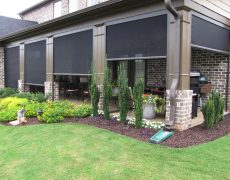
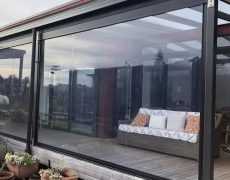
Outdoor motorized screens are a separate but related category. They can improve comfort on covered patios by filtering low-angle sun and creating a more usable outdoor room. Because exterior conditions involve wind exposure, opening size, mounting structure, and fabric selection, these systems need careful specification rather than a one-size-fits-all approach.
Choosing Somfy Motors for a Finished, Reliable Result
A motor is only one component of a successful automated shade system. The fabric determines light control and visibility. The cassette, fascia, or recessed pocket defines the visual finish. The control method determines how easy the shades are to live with. Measurements, brackets, electrical planning, and programming determine whether the system performs as intended.
That is why a full-service process matters. ShadeoTech can evaluate exposure, room use, window dimensions, fabric opacity, motor capacity, and smart-home requirements before manufacturing custom treatments locally in Texas. This approach is particularly useful when a project includes several rooms, specialty windows, or mixed product types such as roller shades, cellular shades, shutters, and outdoor screens.
It also creates clearer accountability. Rather than asking a retailer, electrician, installer, and smart-home technician to diagnose a problem separately, homeowners and project teams benefit from a single specialist who understands the complete shade system.
Questions worth asking before you order
Before committing to a motorized shade package, clarify how each room will be used, whether power is available, what smart-home platform is already in place, and who will handle final programming. Ask how the selected motor is sized for the shade, where charging access will be located if batteries are used, and what happens if Wi-Fi or a control hub is temporarily unavailable.
It is also wise to discuss manual control. Voice and app control are convenient, but a dedicated remote or wall control remains valuable for guests, children, and everyday reliability. The most polished systems offer more than one easy way to operate the shades.
A well-designed motorized shade system should feel less like a gadget and more like part of the architecture. When the fabric, motor, power plan, and programming are selected with the room in mind, the shades quietly do their job: protecting interiors, improving comfort, and giving the home a more intentional rhythm from morning through evening.
