

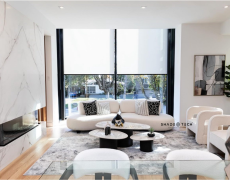
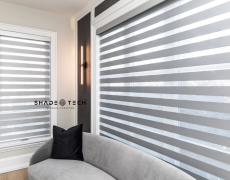
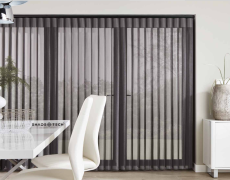
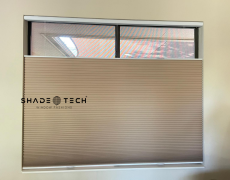

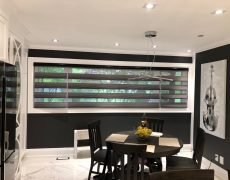
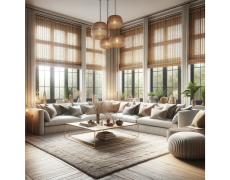
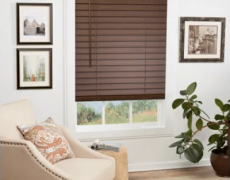
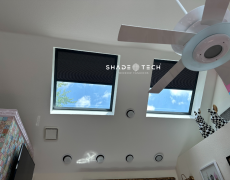


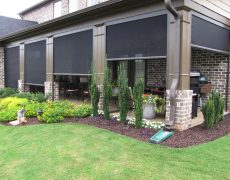

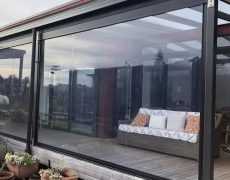



A two-story great room with sun pouring through the upper windows is not the place for a step stool and a pull cord. Battery powered window blinds put light control where it belongs: on a wall control, in an app, or on a schedule that works before the Texas sun starts heating the room.
For many Dallas-Fort Worth homes, battery operation is the most practical entry point into motorized window treatments. It delivers the clean appearance and daily convenience of automation without opening drywall to run electrical wiring. That said, the best power source depends on the window, the shade fabric, how often it will operate, and the level of smart-home integration you expect.
What Battery Powered Window Blinds Do Well
Battery-operated motorized blinds and shades use a compact motor hidden inside the headrail or roller tube. A battery wand, rechargeable battery pack, or integrated rechargeable motor supplies power. With the right system, the treatment can be controlled by remote, wall-mounted keypad, mobile app, voice assistant, or scheduled automation.
The most immediate advantage is installation flexibility. A professionally measured and installed battery-powered shade can be added to finished rooms, historic homes, condos, and remodels without the expense and disruption of electrical work. This matters in spaces where access above the window is limited or where the homeowner wants an elevated result without turning a window-treatment project into a larger construction project.
Battery power is especially well suited to bedrooms, offices, living rooms, guest suites, and windows that are difficult to reach. It also works well for a phased project. A homeowner can automate the primary sun-exposed rooms now and add more treatments later without committing to a whole-home wiring plan from the start.
For families, automation also removes dangling lift cords from the room. The result is a cleaner visual line and a more practical everyday experience, particularly around children, pets, and large furniture layouts.
The daily comfort advantage in North Texas
In North Texas, window coverings are not only a design decision. They are part of the home’s comfort strategy. South- and west-facing glass can introduce intense glare, UV exposure, and heat gain for much of the year. A motorized solar shade can lower automatically in the afternoon, preserving views while reducing glare on screens and helping protect flooring, artwork, and furnishings from prolonged sun exposure.
Blackout shades in bedrooms offer a different benefit. They can close on a bedtime schedule, open gradually in the morning, and make tall or wide windows easy to manage. In media rooms, a single command can lower shades before a movie starts. Those are small moments, but they are why motorization tends to become a daily-use feature rather than a novelty.
Battery Power Versus Hardwired Blinds
Battery power is not automatically the right answer for every installation. It is an excellent choice when finished walls, budget, and installation speed are priorities. Hardwired power is usually the stronger long-term option for very large shade systems, heavily used commercial spaces, or homes undergoing new construction or major renovation.
Hardwired motors draw continuous low-voltage power from wiring concealed during construction. There is no battery charging or replacement to plan for, making them particularly attractive for a home with dozens of automated treatments or a commercial setting where shades operate on frequent schedules. They also provide a clean solution for exceptionally large or heavy window coverings that require more motor capacity.
Battery-powered systems trade that permanent power source for easier retrofitting. Battery life varies widely based on shade size, fabric weight, motor type, temperature, and daily use. A lightly used bedroom shade may go many months between charges, while large solar shades operating multiple times each day will need attention more often. Rechargeable systems reduce the need to replace disposable batteries, but they still require a practical charging plan.
A useful rule is simple: choose battery power when you want polished automation in an existing space with minimal construction. Choose hardwired power when walls are open, the project includes many shades, or the treatments will operate frequently for years with little opportunity for maintenance.
Solar charging can help, with caveats
Some battery systems can pair with discreet solar charging panels. These can extend the time between charging, especially on windows with reliable daylight exposure. They are not ideal for every room, however. Deep overhangs, heavily shaded elevations, tinted glass, and interior design preferences can limit their usefulness.
Solar charging should be treated as a maintenance-reduction option, not a substitute for thoughtful system planning. A professional recommendation should account for actual window orientation, exposure, and the amount of daily movement programmed into the shade.
Choosing the Right Blind or Shade Style
The phrase “blinds” often covers more than one type of product. The best motorized treatment is driven by what the room needs from its windows.
For bright living areas, roller shades and solar screens are often the strongest fit. They maintain a streamlined profile and can be specified with openness levels that balance view preservation, glare control, and daytime privacy. A lower openness fabric generally blocks more light and provides more privacy, while a more open fabric retains a stronger outward view.
For bedrooms and nurseries, blackout roller shades, Roman shades with room-darkening liners, or layered systems can provide stronger light control. A dual-shade configuration – often a solar shade for daytime and an opaque shade for night – gives a room more flexibility than a single treatment can provide.
For wide contemporary windows, motor selection and precise fabrication matter as much as fabric selection. A treatment that looks refined at 36 inches may perform very differently across a large expanse of glass. The tube size, fabric weight, bracket placement, and motor capacity need to be matched to the actual opening rather than selected from a standard retail shelf.
Smart-Home Compatibility Is More Than Voice Control
Voice commands are useful, but the real value of motorized window treatments comes from automation that happens without a command. A shade can lower at a scheduled time, rise with the morning routine, or respond as part of an away scene. In a well-planned system, it becomes one coordinated element of lighting, climate comfort, privacy, and security.
Compatibility should be confirmed before selecting a motor. Some systems connect directly to Alexa, Google Home, Apple HomeKit, or Matter-enabled platforms, while others use a dedicated bridge or hub. That distinction affects setup, reliability, and how the shades behave alongside other devices in the home.
For commercial clients, centralized control can be just as valuable. A medical clinic can reduce glare in treatment rooms, a restaurant can adjust sun exposure across a dining area, and an office can schedule shades around operating hours. The goal is consistent performance without requiring staff to manage each window individually.
Why Measurement and Installation Matter
A motorized shade is a precision product. Small measurement errors can create light gaps, interfere with trim, leave the treatment off-center, or prevent a large shade from operating smoothly. Power placement also deserves planning. A battery wand must be accessible for charging or replacement while remaining concealed and visually unobtrusive.
At ShadeoTech, custom manufacturing and local installation allow the product, power method, fabric, and controls to be planned as one system. That is particularly valuable in homes with tall windows, oversized openings, specialty shapes, and strong sun exposure. The finished treatment should look intentional from every angle, not like a motorized accessory added after the design decisions were made.
Installation also includes proper limit setting, control pairing, and smart-home setup. A shade that stops at the right position, responds consistently, and groups logically by room feels premium because it works without friction.
Questions to Ask Before You Buy
Before choosing battery-powered motorization, consider how often each shade will move and who will use it. A single guest-room shade has different demands than eight west-facing shades that close every afternoon. Think about charging access, preferred control method, whether a remote is needed for guests, and whether the home may eventually expand to whole-home automation.
It is also worth discussing fabric performance before selecting color. A beautiful material that does not control glare or heat adequately can become a daily frustration. In Dallas-Fort Worth, the right solar fabric, blackout liner, or dual-shade setup can make the window treatment work harder for the room.
Battery power makes sophisticated light control possible in places where wiring would otherwise slow the project down. When the system is measured precisely, specified for the window, and programmed around how the space is actually used, it becomes one of the most satisfying upgrades a home can make.
