

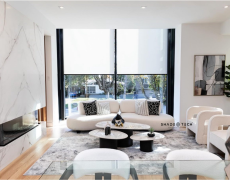

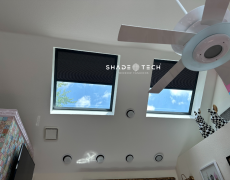


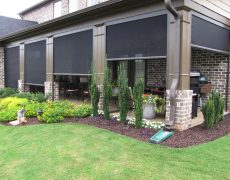

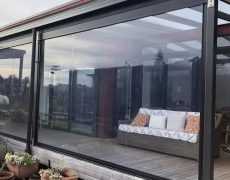



A west-facing living room in Dallas can turn beautiful afternoon light into glare, fading floors, and an air conditioner that never seems to catch up. Smart blinds give homeowners a more precise way to manage that exposure. Instead of manually adjusting every window as the sun moves, custom motorized shades or blinds can respond to a schedule, a voice command, or a scene built around how the room is used.
For homes with large glass walls, tall windows, open-concept layouts, and busy family routines, the value is not just the motor. It is having a window treatment engineered for the window, the room, and the North Texas climate.
What smart blinds actually do
Smart blinds are motorized window coverings connected to a remote, wall control, app, smart-home platform, or a combination of these controls. Depending on the system selected, they can raise, lower, tilt, or move to preset positions automatically.
The most useful automation is usually simple. Shades can close during the hottest part of the afternoon, open gradually in the morning, or lower at dusk for privacy. A homeowner can create a movie scene that dims the media room, a bedtime scene that covers bedroom windows, or an away setting that makes the home appear occupied while helping protect interiors from direct sun.
Voice control adds convenience, but it should not be the only reason to choose motorization. The stronger case is practical control over hard-to-reach windows, consistent privacy, light management, and reduced heat gain. In a Dallas-Fort Worth home, those daily benefits can be substantial.
Why smart blinds make sense in North Texas
Dallas-area homes are built for abundant natural light, but that light has a cost when it reaches unprotected glass. Direct sun can raise room temperatures, create glare on televisions and work screens, and expose wood floors, artwork, furniture, and fabrics to UV damage.
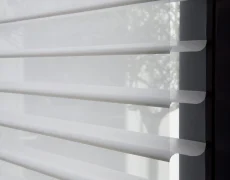
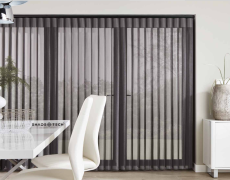
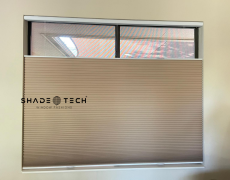
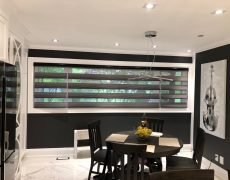
A properly selected solar shade can preserve views while cutting glare and softening the intensity of direct sunlight. Blackout or room-darkening options are better suited to bedrooms, nurseries, media rooms, and any space where light control matters more than an outside view. Dual-shade systems can combine both functions in one opening: a solar fabric for daytime comfort and a blackout layer for nighttime privacy.
Automation makes these materials more effective because the coverage is consistent. A shade that closes on schedule is more likely to do its job than one left open because no one was home, the window was too high to reach, or the afternoon got busy.
Energy savings depend on glass type, window orientation, insulation, thermostat habits, and the shade fabric. Smart window treatments are not a replacement for efficient windows or a well-designed HVAC system. They are, however, a meaningful layer of solar control, especially on west- and south-facing elevations with broad expanses of glass.
Choosing the right smart blind system
The right product begins with what the room needs to do. A kitchen overlooking the backyard may call for a clean solar shade that manages glare without sacrificing daylight. A primary suite may need room darkening, privacy, and quiet operation. A two-story great room may require coordinated shades that can be controlled without climbing a ladder or pulling cords.
Shade style and fabric come first
Technology cannot compensate for the wrong material. Openness factor, color, fabric texture, liner choice, and mounting method all influence performance and appearance. A darker solar fabric may deliver a clearer outward view during the day, while a lighter fabric can reflect more heat and create a brighter interior feel. The best choice depends on orientation, exterior surroundings, and how much privacy the room requires at night.
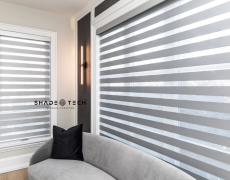
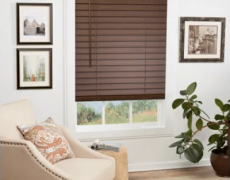
For clients who prefer the structured appearance of horizontal blinds, motorized wood, faux wood, or aluminum blinds offer adjustable slat control. For a more architectural look across large windows, roller shades, banded shades, Roman shades, or panel systems may be a better fit. The goal is to match the treatment to the architecture rather than forcing a one-size-fits-all product onto every opening.
Power should suit the window and the home
Battery-powered motors are often a strong solution for finished spaces because they reduce the need to open walls or run visible wiring. Modern rechargeable battery options can provide long intervals between charging, depending on shade size and use.
Hardwired power is worth considering during new construction, remodeling, or for high-use and oversized treatments. It is especially practical when many shades will operate together or when accessibility makes battery maintenance less appealing. Solar charging can also be useful in certain sun-exposed applications, though it is not the right answer for every window style or interior design.
A professional consultation should account for access to power, window dimensions, fabric weight, number of daily movements, and the desired control method before a motor is specified.
Smart-home compatibility needs a plan
A smart blind system should fit the home instead of becoming another isolated app. Many premium systems can work with Alexa, Google Home, Apple HomeKit, and Matter-enabled smart-home environments. Compatibility, however, is more than a logo on a box.
Ask how shades will be grouped, whether scenes can include lighting and thermostats, what happens if Wi-Fi is unavailable, and whether the system uses a dedicated hub or local control. In a large home, network coverage and hub placement can affect reliability. For commercial settings, controls should also be easy for staff to understand and durable enough for frequent use.
Custom measurement changes the result
Window treatments are one of the few finish selections that must perform at the exact dimensions of the opening. A small measuring error can cause light gaps, poor alignment, limited clearance around handles, or a treatment that looks undersized against a dramatic window wall.
Custom fabrication gives more control over those details. It allows the system to account for recessed versus outside mounts, trim depth, ceiling height, door swing, mullions, sill obstructions, and how multiple shades should line up across a shared elevation. Those details matter even more with motorized products, where brackets, charging access, and motor placement must be planned before installation.
For large contemporary windows, a design discussion should also cover where fabric rolls, cassettes, and control components will sit when the shade is open. The best installation keeps the hardware discreet while preserving access for service.
ShadeoTech manufactures custom treatments locally in Carrollton and handles measurement, fabrication, installation, and smart-home setup as one coordinated process. That approach helps avoid the common disconnect between a retail purchase, a separate installer, and an automation provider trying to solve problems after the fact.
Smart blinds for businesses and commercial spaces
The benefits extend beyond residential projects. Medical clinics need privacy and glare control without making patient spaces feel closed off. Restaurants use shades to improve guest comfort near sunny storefront glass and patios. Builders and contractors need dependable systems that suit the project schedule, design intent, and electrical plan.
Commercial projects place extra importance on durability, coordinated control, and safe operation. A restaurant may want shades scheduled around changing daylight. A clinic may need privacy treatments that staff can adjust quickly between appointments. Offices often benefit from glare control that improves screen visibility while keeping a bright, professional environment.
The best commercial specification balances visual consistency with the demands of daily operation. That includes selecting fabric that cleans well, motors sized for frequent use, and controls that do not require staff to troubleshoot a complicated app.
Questions to ask before ordering
Before selecting smart blinds, clarify the purpose of each room, not just the appearance of the windows. Ask whether the priority is heat reduction, privacy, blackout performance, view preservation, child safety, or automation. In many homes, the answer will differ from one room to the next.
It is also wise to ask about light gaps, motor noise, battery access, warranty coverage, service support, and how the system will work after a router or phone is replaced. Premium automation should feel dependable over time, not impressive only on installation day.
Smart blinds are most successful when they become part of the home’s routine: lowering before afternoon heat builds, protecting interiors while the house is empty, and giving every room the right level of light when people are ready to use it. Start with the windows that create the most discomfort, then choose a custom system built to solve that problem well.
