

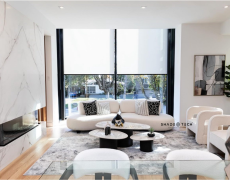
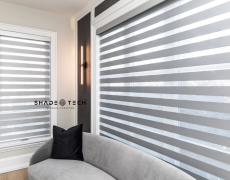
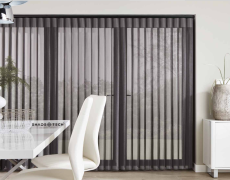







A west-facing living room can look spectacular at 5 p.m. in Dallas – until the glass starts radiating heat, the television disappears behind glare, and the furniture takes another dose of UV exposure. Shade automation changes that daily experience. Rather than asking someone to adjust every window covering at the right moment, smart shades respond on schedule, by command, or through a connected home system.
For homes with expansive windows, tall ceilings, and open floor plans, automation is not simply a luxury feature. It is a practical way to manage a North Texas climate that places real demands on interior comfort, finishes, and HVAC equipment. The difference comes down to specifying the right product, motor, fabric, and control strategy for the room.
What Shade Automation Actually Does
At its core, shade automation uses quiet motors to raise, lower, or position custom window coverings without manual cords or chains. The shades can be operated by a wall-mounted control, handheld remote, smartphone app, voice assistant, or scheduled scene. Depending on the system, they can also work with Alexa, Google Home, Apple HomeKit, and Matter-compatible smart-home platforms.
The most useful automation is built around routines, not novelty. A homeowner might schedule solar shades to lower on sun-exposed windows before afternoon heat builds, then raise them after sunset to reopen the view. Bedrooms can close gradually at bedtime and open on a weekday morning schedule. In a media room, one command can lower blackout shades, dim compatible lighting, and prepare the space for a movie.
Automated shades can also be controlled individually or grouped by room, floor, or exposure. That matters in a large home. The east side may need glare control in the morning, while the west side needs it later in the day. A single universal “close all” command is convenient, but tailored zones deliver better daylight and comfort throughout the day.
Why Dallas Homes Benefit From Shade Automation
North Texas sun is rarely a minor consideration. Intense direct light can raise surface temperatures near windows, fade flooring and furnishings, and force cooling systems to work harder during long warm seasons. Well-chosen solar fabrics reduce glare and filter UV while maintaining an outward view. Blackout materials provide more complete light control where sleep, screening, or privacy is the priority.
Automation makes those performance benefits more consistent. A beautiful shade left open during the hottest part of the day cannot do its job. Scheduled operation removes that gap, especially in rooms that are used intermittently or windows that are difficult to reach.
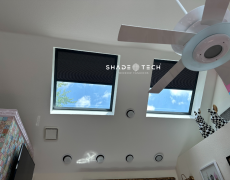
There is also a design advantage. Large contemporary windows often call for clean lines and minimal visible hardware. Motorized roller shades, Roman shades, woven materials, and other custom treatments can preserve that architectural simplicity without requiring a manual control at every opening. When shades disappear into recessed pockets or align cleanly across a wall of glass, the room feels considered whether the system is open or closed.
Energy savings should be viewed realistically. Smart shades can reduce solar heat gain and help a home feel more comfortable, but results depend on glass type, window orientation, fabric openness, insulation, thermostat settings, and how the home is used. Automation is most effective when it supports a broader comfort strategy rather than being treated as a substitute for efficient windows or proper HVAC design.
The Right Shade Depends on the Room
A strong automation plan begins with the function of each space. In a primary bedroom, room-darkening or blackout shades are usually more valuable than view-through solar fabrics. In a kitchen or family room with a premium view, a solar shade may offer the best balance of daylight, privacy, and heat management. For a formal dining room, motorized drapery paired with a discreet shade can bring softness and better nighttime privacy.
Fabric openness deserves careful attention. A more open solar weave preserves more of the view and admits more natural light, but it provides less privacy and less glare reduction than a tighter weave. Dark fabrics can improve outward visibility during the day, while lighter colors may better reflect solar energy and coordinate with a brighter interior palette. There is no universally best choice – orientation and intended use should lead the decision.
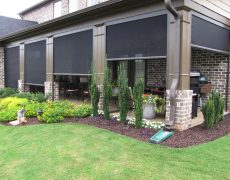
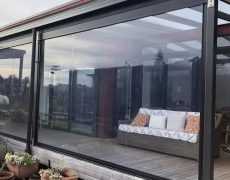
For outdoor living areas, motorized screens can make patios, covered kitchens, and restaurant terraces more usable by reducing low-angle sun, insects, and windblown debris. These applications require durable components, correct tensioning, and professional installation. Exterior systems face weather directly, so material selection and mounting details matter as much as the motor itself.
Choosing Power and Control Without Overcomplicating It
Most residential motorized shade projects use one of three power approaches: rechargeable battery motors, hardwired low-voltage motors, or plug-in power. Battery-powered shades are often an excellent solution for finished homes because they avoid opening walls and can still provide a polished appearance. Their trade-off is periodic charging or battery replacement, particularly on larger or frequently operated shades.
Hardwired power is often the strongest choice for new construction, major renovations, and large-window installations. It supports a clean final look and removes battery maintenance from the equation. It does require early coordination among the homeowner, builder, electrician, and shade provider. Waiting until trim is complete can limit options or add avoidable labor.
Control should match the household. A remote is simple and dependable. A wall keypad provides an intuitive everyday control point. Smart-home integration adds value when the home already uses voice assistants, scenes, occupancy routines, or whole-home control. Not every room needs every feature. A well-designed system is one that the family can operate easily, even when the Wi-Fi network is down or a guest is staying in the home.
Commercial spaces need similar clarity. A restaurant may prioritize timed afternoon glare control along its front glass. A medical clinic may need privacy and light management that staff can adjust quickly between appointments. Builders and contractors may need repeatable, coordinated shade packages that fit project schedules and electrical plans. In each case, reliable controls and professional commissioning matter more than adding features that will not be used.
Installation Is Where Reliability Is Decided
Custom automated shades are measured around the actual opening, not a generic window category. Small variations in width, depth, trim, drywall returns, and mounting surface can affect light gaps, bracket placement, fabric alignment, and clearance. On wide openings, the weight and roll diameter of the selected fabric must also be matched correctly to the motor and hardware.
Professional installation includes more than mounting the shade. It means verifying level operation, programming limits, grouping controls logically, confirming app or smart-home connectivity, and showing the owner how to use the system. For exterior screens, it also means accounting for structure, wind exposure, drainage, and proper side-channel alignment.
That is why a full-service approach is valuable. ShadeoTech can coordinate consultation, precision measurement, local Texas manufacturing, installation, and smart-home setup as one process. Factory-direct production helps keep the conversation focused on the finished system – its fit, fabric performance, and long-term operation – rather than on a disconnected retail transaction.
Start With the Sun, Then Build the System
The best first step is to walk through the property at the times when discomfort is highest. Notice where glare hits a screen, when a room becomes too warm, which windows sacrifice privacy after dark, and which openings are too high or too wide to manage comfortably by hand. Those details reveal whether the answer is solar shading, blackout control, layered treatments, exterior screens, or a combination.
A thoughtful shade automation plan should make a home feel easier to live in without drawing attention to the technology itself. When the shades move at the right time, the room stays comfortable, the view remains available when it should be, and the architecture gets to do what it was designed to do.
