

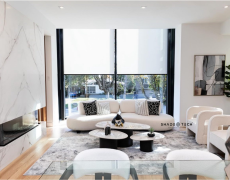
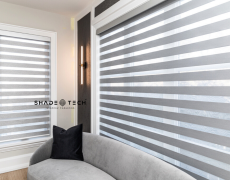
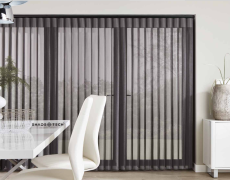

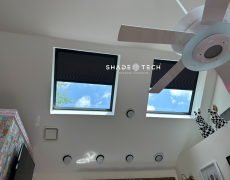


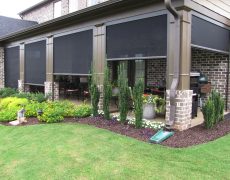

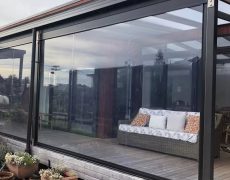



A west-facing living room in Dallas can turn from bright to uncomfortable long before dinner. When homeowners compare roller shades vs shutters, the real question is not which option looks better in a showroom. It is which one will control glare, preserve privacy, complement the architecture, and perform reliably through years of intense North Texas sun.
Both are premium, custom-capable window treatments. Yet they solve different problems. Roller shades offer a clean, low-profile answer for large glass, smart-home control, and solar management. Shutters bring architectural presence, adjustable privacy, and a permanent built-in look. The right choice depends on the room, window type, exposure, and how you want the space to function every day.
Roller Shades vs Shutters: The Core Difference
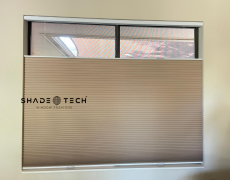
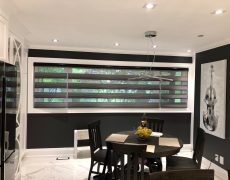
Roller shades use a single panel of fabric that raises and lowers from a compact tube at the top of the window. The fabric selection determines much of the performance: solar screen fabrics reduce glare and UV exposure while retaining a degree of outward visibility, while blackout fabrics provide stronger light blocking and privacy. They can be manually operated, motorized, or integrated with a smart-home system.
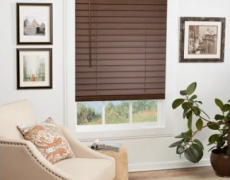
Shutters are rigid panels, typically built with adjustable louvers. Rather than lifting a fabric panel, you tilt the louvers to direct light or open the panels when you want a fully clear window. Their defining benefit is control at the window itself: light can enter upward toward the ceiling while direct views into the room remain limited.
That basic distinction affects nearly every decision that follows. A roller shade visually recedes. A shutter becomes a visible architectural feature.
Where Roller Shades Deliver the Stronger Result
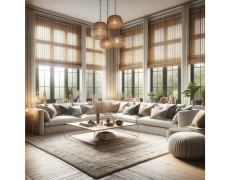
Roller shades are often the practical choice for contemporary Dallas homes, especially those with expansive windows, sliding glass doors, tall ceilings, or views worth preserving. When raised, the shade rolls into a relatively small headrail or fascia. When lowered, the fabric creates a crisp, uninterrupted plane that does not compete with modern millwork or minimalist interiors.
Better coverage for heat, glare, and UV exposure
For rooms with strong afternoon sun, solar roller shades can be highly effective. A properly selected openness factor filters harsh sunlight before it reaches furnishings, flooring, artwork, and occupants. This reduces screen glare and helps protect interior finishes from fading without making the room feel closed off.
The openness factor matters. Lower openness fabrics offer more privacy and solar control but limit the view more noticeably. Higher openness fabrics preserve more of the outdoor view but allow more light through. A custom consultation should account for the direction of the glass, the surrounding landscape, neighboring homes, and how the room is used at different times of day.
Blackout roller shades are especially useful in bedrooms, media rooms, nurseries, and treatment rooms where light control is the priority. For the best result, side channels or carefully planned mounting details may be needed to reduce the light gaps that naturally occur around a shade.
A natural fit for automation
Motorization is one of the clearest advantages of roller shades. With a motorized system, a row of shades can move together at the touch of a button, on a schedule, or through voice control. This is valuable for tall windows that are difficult to reach, but it is equally useful for everyday comfort.
A homeowner can schedule west-facing shades to lower before the strongest afternoon heat arrives, then raise in the evening when the view becomes part of the room again. Integration with Alexa, Google Home, Apple HomeKit, and Matter-compatible systems makes that control more practical across a connected home.
For commercial settings, motorized roller shades offer operational consistency. Medical clinics can manage patient privacy and daylight. Restaurants can reduce late-day glare across a dining room. Builders and designers can specify a polished solution for large banks of windows without adding visual bulk.
More fabric and design flexibility
Roller shade fabrics are available in a broad range of textures, colors, opacities, and performance levels. That makes them easier to coordinate with a restrained neutral palette, bold upholstery, or a commercial brand environment. They can also be specified as dual shades, pairing a solar fabric for daylight hours with a blackout fabric for nighttime privacy.
Their low-profile appearance does come with a trade-off: roller shades do not provide the same dimensional character as shutters. If your goal is to make the window treatment a focal point, shades may feel intentionally understated rather than decorative.
When Shutters Are Worth the Investment
Shutters make sense when a homeowner wants a permanent, tailored finish that feels integrated with the home. They work particularly well in traditional homes, transitional interiors, and spaces with strong trim details. In the right setting, they can look less like a window covering and more like custom cabinetry for the window.
Adjustable privacy without fully closing the room
Shutters excel at balancing privacy and daylight. Tilt the louvers upward, and natural light can bounce deeper into the room while direct sightlines are reduced. This is useful in street-facing living rooms, bathrooms, bedrooms, and homes with close neighbors.
Roller shades generally offer an all-up or all-down approach, although fabric transparency changes the effect. Shutters give more incremental control once installed. You can direct light, soften a view, or close the panels completely without losing the substantial look of the treatment.
Durable, structured appearance
High-quality shutters are built to handle daily use, and their rigid construction gives them a solidity that fabric shades cannot replicate. They are a strong choice for smaller to mid-sized windows where a framed look adds proportion and depth. They can also perform well in humid spaces when made from materials appropriate for bathrooms and kitchens.
However, shutters are not automatically the best choice for every opening. Very wide windows, floor-to-ceiling glass, or sliding doors can require multiple panels and more complex configurations. The result may be less streamlined than a motorized roller shade, particularly in a modern home built around open views.
Cleaning and operation considerations
Shutters are durable, but their louvers require more detailed cleaning than a roller shade. Dust collects on each slat, and the panels need clearance to swing open. A roller shade usually needs only occasional light dusting or vacuuming with an upholstery attachment.
Shutters are also primarily a manual product. While specialty solutions exist, they do not offer the same broad, elegant automation options as motorized roller shades. For homeowners building a sophisticated smart-home routine, this can be a deciding factor.
Comparing Cost and Long-Term Value
Custom window treatments should be evaluated as installed systems, not as a price tag per window. Material quality, exact measurements, hardware, fabric specification, motorization, installation complexity, and local service all affect the investment.
Shutters often carry a higher upfront cost because they are rigid, custom-built assemblies with detailed framing and panel construction. Their long service life and built-in appearance can support that investment in the right rooms. They are often selected for primary living spaces, bedrooms, and windows where architectural impact matters most.
Roller shades can range widely in price. A manually operated shade with a standard fabric is different from a dual motorized system with premium solar fabric, concealed hardware, and smart-home integration. Still, roller shades can offer strong value on large openings because the system remains visually simple even as the glass size increases.
For many homes, the best answer is not one product throughout the house. Shutters may suit front-facing bedrooms and bathrooms, while motorized solar shades handle a great room, kitchen, office, or wall of patio glass. Matching the treatment to the room creates a more thoughtful result than forcing one solution onto every window.
Installation Precision Matters More Than Most Homeowners Expect
Both products depend on accurate measurement, but the consequences of poor measurement differ. A roller shade can leave uneven gaps, operate improperly, or fail to provide the expected blackout performance. Shutters can look visibly out of square, bind during operation, or create inconsistent reveals around the frame.
Professional measurement also helps identify practical conflicts before manufacturing begins: window cranks, alarm sensors, deep trim, door handles, recessed openings, and obstructions near the ceiling. For motorized roller shades, power planning and smart-home setup should be considered early, especially in new construction or major renovations.
ShadeoTech manufactures and installs custom treatments locally in the Dallas area, allowing the specification, measurement, fabrication, and installation process to stay connected. That matters when the goal is a precise fit rather than an off-the-shelf approximation.
How to Choose for Your Home
Choose roller shades when you want strong solar performance, a clean contemporary appearance, easy automation, and practical coverage for large or hard-to-reach windows. They are particularly effective where glare, heat gain, and view preservation are daily concerns.
Choose shutters when adjustable privacy, architectural character, and a substantial permanent finish matter more than automation. They are especially compelling on smaller windows, street-facing rooms, and interiors where trim and millwork are central to the design.
Before selecting either, stand in the room during the time of day it is hardest to use. Notice where the sun lands, what needs privacy, which views you want to keep, and whether anyone will realistically adjust the treatment by hand. The window covering that earns its place is the one that makes that room more comfortable without asking you to think about it every day.
