








A west-facing living room can become noticeably hotter between 3 and 6 p.m., even when the thermostat is working exactly as it should. Learning how to reduce solar heat starts with controlling sunlight before it has time to pass through glass, warm interior surfaces, and force your HVAC system to catch up. In Dallas-Fort Worth, where long summers and intense direct sun are normal, the right window treatment strategy can make exposed rooms more comfortable, protect finishes, and reduce the strain on cooling equipment.
The most effective solution is rarely a one-size-fits-all blind from a retail shelf. Window orientation, glass size, ceiling height, exterior exposure, and how a room is used all affect the right choice. A media room with afternoon glare needs a different approach than a kitchen with expansive south-facing windows or a patio that receives full western sun.
How to Reduce Solar Heat Before It Enters
Solar heat gain occurs when sunlight passes through a window and is absorbed by flooring, furniture, walls, and other interior materials. Those surfaces release heat into the room, which is why closing a treatment after a room is already hot is helpful but not always enough. The earlier sunlight is stopped or filtered, the better the performance.
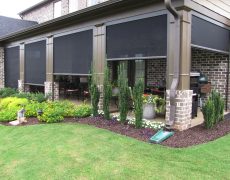
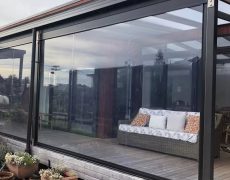
Exterior solar screens are often the strongest option for windows and openings that receive direct, sustained sun. Because the screen sits outside the glass, it intercepts much of the solar energy before it enters the building envelope. This makes exterior shades especially valuable for west-facing patios, large sliding doors, restaurant dining areas, medical clinic waiting rooms, and contemporary homes with broad glass walls.
Outdoor screens can also improve the usability of a patio without turning it into a dark enclosure. The right fabric openness preserves outward visibility while reducing glare, heat, and UV exposure. A tighter weave provides more shading and privacy, while a more open weave maintains a clearer view. The ideal balance depends on the exposure and the purpose of the space.
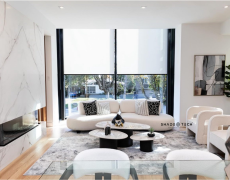
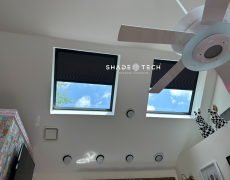
For interior windows, solar roller shades provide clean lines and highly practical heat control. Performance fabrics are designed to filter sunlight, reducing glare and solar gain while keeping rooms brighter than traditional blackout treatments. They are a particularly strong fit for open-concept living areas, offices, and rooms with a view worth preserving.
Choose the Right Shade Fabric and Openness
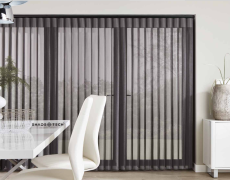
Not every shade fabric delivers the same thermal performance. Color, weave, backing, and openness factor all influence how much light and heat reaches the room. Openness refers to the percentage of the fabric that is open space. A 1% or 3% openness fabric offers more solar control and privacy than a 5% or 10% fabric, though it will also soften the view and reduce daylight more noticeably.
Darker solar fabrics often provide better outward visibility during the day because they reduce reflected light inside the room. Lighter fabrics can create a brighter interior appearance and may better suit lighter design palettes. The correct choice is a performance and design decision, not simply a color decision.
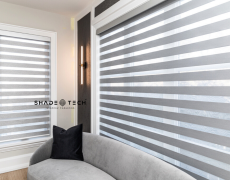
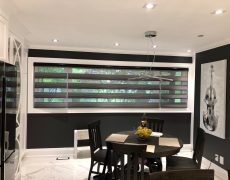
For bedrooms, nurseries, media rooms, and spaces where light control matters as much as cooling, dual shades can be a smart answer. These systems pair a solar shade for daytime heat and glare management with a blackout layer for privacy and room darkening. You do not have to choose between a filtered daytime view and a fully darkened room at night.
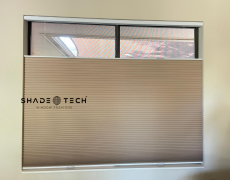
Cellular shades are another effective interior option, particularly where insulation is a priority. Their honeycomb-shaped pockets create air layers that help slow heat transfer through the window. They are well suited to bedrooms, smaller windows, and rooms where a softer, more insulated look is preferred. On very large windows, however, roller shades or motorized drapery systems may offer a cleaner scale and more reliable operation.
Use Shutters Where Structure and Insulation Matter
Custom shutters offer a more architectural approach to solar control. Their solid panels and adjustable louvers allow homeowners to redirect daylight, reduce glare, and add privacy without fully closing off a room. When louvers are tilted upward, they can help diffuse light toward the ceiling instead of allowing direct sun to strike seating, flooring, or work surfaces.
Shutters work especially well in formal living spaces, bedrooms, bathrooms, and homes where the window treatment should feel like a permanent part of the interior design. They are not always the best choice for every large sliding glass door or wall of glass, but on properly sized windows they combine durability, visual weight, and useful thermal control.
Material selection matters in North Texas. Areas with high humidity, strong sun exposure, or moisture concerns may benefit from engineered materials that resist warping and are easier to maintain. A professional measurement and installation process is essential because gaps, uneven mounting, and poorly fitted panels reduce both appearance and performance.
Automate Shades Around the Sun, Not Your Schedule
Manual shades work only when someone remembers to use them at the right time. That is why motorization can make a measurable difference in rooms that receive intense sun. Rather than waiting until the space feels hot, automated shades can lower before the afternoon sun reaches its strongest angle and raise again when direct exposure has passed.
Smart shades can be programmed by time of day, sunrise and sunset, room temperature, or solar conditions, depending on the system and home automation setup. In a Dallas home, a west-facing shade might lower automatically in late afternoon during summer months, while south-facing shades may adjust throughout the day to manage changing sun angles.
Integration with Alexa, Google Home, Apple HomeKit, and Matter-compatible systems adds practical convenience. A homeowner can create scenes such as “Away,” which lowers selected shades during peak heat hours, or “Movie Time,” which reduces glare across a media room. The best automations remain simple and dependable. They should support how the household already lives rather than require constant adjustment.
Motorization is also valuable for hard-to-reach windows, tall ceilings, stairwells, and commercial spaces with many openings. In clinics, restaurants, and offices, consistent shade positioning helps create a more comfortable environment for guests, patients, and employees while reducing the operational hassle of managing individual treatments throughout the day.
Address the Windows That Create the Most Heat
A whole-home project does not always need to begin with every window. The highest-impact places are usually the windows with direct afternoon exposure, oversized glass, minimal roof overhang, or visible glare on floors and furnishings. Start by identifying rooms that are consistently warmer than the rest of the home or that require the thermostat to be set lower just to feel comfortable.
West-facing glass is often the first priority in North Texas because late-day sun is low, intense, and difficult for overhangs to block. East-facing windows can create similar discomfort in the morning. South-facing windows may receive substantial sun over a longer portion of the day, though their exposure changes by season and can sometimes be managed effectively with properly selected solar shades.
Window treatments are most effective when paired with sound building practices. Energy-efficient glazing, weatherstripping, attic insulation, and properly sized HVAC equipment all have roles to play. Still, replacing windows is a major investment, while custom shading can provide immediate control over light and heat with far less disruption.
Why Custom Measurement Changes Performance
Heat-control products only perform as intended when they fit correctly. A shade that is too narrow leaves light gaps along the sides. An exterior screen with poor tension can look unfinished and may not operate reliably. Large windows, angled openings, deep trim, door handles, and recessed mounting conditions all require decisions that are difficult to make from a standard retail product listing.
A custom consultation evaluates how the sun moves across the property, where glare falls, and whether a treatment needs to prioritize view preservation, privacy, insulation, or room darkening. Local manufacturing also allows for more precise sizing, coordinated fabrics, and a cleaner installation on the large and complex window layouts common in newer Dallas-area homes.
ShadeoTech approaches solar control as a complete system: measurement, locally manufactured treatments, professional installation, and smart-home setup working together. That matters because a premium fabric or motor is only as effective as the fit, placement, and programming behind it.
The best next step is to stand in the rooms that feel hottest at the time they are most uncomfortable. Notice where the sun lands, which surfaces are heating up, and whether you need to preserve a view or create privacy. Those details will point you toward a shade solution that keeps your home cooler without asking you to live in the dark.
