

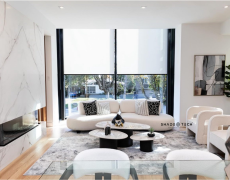
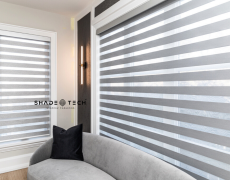
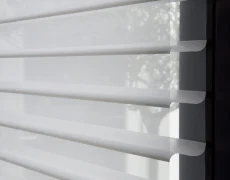
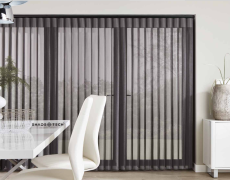







A window covering can look premium in a sample book and still disappoint once it reaches a real window. Custom blinds precision fit is what closes that gap. It accounts for the actual opening, mounting surface, trim depth, window operation, fabric behavior, and the way North Texas sunlight hits the room. The result is not simply a blind that covers glass. It is a finished system that looks intentional, controls light reliably, and performs as designed for years.
For Dallas-Fort Worth homes with expansive glass, tall ceilings, and intense western exposure, measurement is a performance decision as much as a design decision. A few fractions of an inch can affect privacy, heat control, alignment, and even whether a motorized shade moves smoothly.
Why Precision Fit Changes the Finished Room
Off-the-shelf blinds are built around standardized assumptions. Most windows are not. Drywall openings can vary from top to bottom, trim may not be square, and a modern home may have windows set deep into a recess or positioned close to doors, handles, and architectural details. A product selected by nominal size cannot account for those realities.
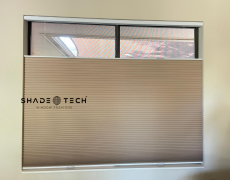
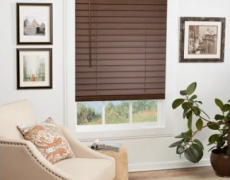
A true custom approach starts with the mounting strategy. Inside mounting can create a clean, recessed appearance, but it requires sufficient depth and a reasonably consistent opening. Outside mounting can make a window appear larger, reduce visible light gaps, and work around shallow recesses or obstructions. Neither option is automatically better. The right choice depends on the window, the desired visual effect, and how much room is needed for the selected shade or blind system.
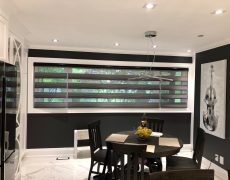
Precision also protects the visual lines that make a room feel finished. When multiple windows sit side by side, their headrails, fabric rolls, and lower edges should align. In a large living area, a small inconsistency becomes far more visible than it would on a single bedroom window. Professional measuring establishes a coordinated plan across the entire elevation, rather than treating every opening as an isolated purchase.
Custom Blinds Precision Fit and Better Light Control
Light leaks are often blamed on the fabric or blind material when the underlying issue is fit. Even a blackout shade will not create a dark room if its mounting position leaves wide side gaps or if the bottom rail cannot sit properly against the sill. Conversely, a well-measured light-filtering shade can deliver excellent glare reduction while maintaining a soft, architectural glow.
This distinction matters in North Texas, where direct afternoon sun can make a media room difficult to use and raise temperatures in a west-facing kitchen or living room. The right system considers the solar angle, glass size, and how the space is used. A homeowner may want blackout performance in a nursery, filtered daylight in a home office, and privacy without sacrificing visibility in a dining room.
For rooms with strong exposure, the fabric openness factor also deserves careful consideration. A more open solar fabric preserves more of the outside view but admits additional light. A tighter weave offers greater glare and UV control, though it can soften the view and make the room feel more enclosed. Precision fit helps either choice work properly by minimizing unnecessary gaps at the sides and bottom.
Measurements That Matter Beyond Width and Height
A reliable installation begins with more than one width and one height measurement. Professional installers check the opening at several points because windows are rarely perfectly square. They assess the depth available for brackets and headrails, the condition of the mounting surface, and potential interference from cranks, locks, door handles, or security sensors.
For motorized products, the plan expands further. Power location, battery access, charging needs, cable routing, and communication range all influence the final result. A shade may look simple once installed, but that simplicity comes from resolving technical details before fabrication begins.
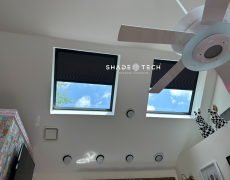
Large contemporary windows require particular care. Their weight and span can affect fabric tension, roller selection, bracket placement, and motor capacity. A system sized correctly for a small opening may not deliver the same quiet, stable operation across a broad wall of glass. This is where local manufacturing and installation expertise create real value: the product can be specified around the conditions of the home rather than forced into a prepackaged format.
The role of window conditions
Windows also change the decision. Deep sill projections, uneven stone surrounds, plantation-style trim, and sliding glass doors all call for different clearances. A shade that clears a lever handle needs a different projection than one installed above a fixed picture window. In commercial spaces, fire safety requirements, access to storefront doors, and daily staff use can further shape the specification.
The best fit is therefore not the tightest possible fit. It is the fit that provides clean coverage, proper function, service access, and the intended design outcome.
Smart Shades Depend on Accurate Installation
Automation adds convenience, but it also raises the standard for installation. A motorized blind needs brackets that are level, correctly spaced, and firmly secured to suitable backing. Minor alignment errors can create uneven travel, added noise, or unnecessary wear over time.
For a connected home, placement should support the automation plan from the beginning. Shades can be grouped by room, elevation, or daily routine. A west-facing living room might lower automatically before the strongest afternoon sun arrives, while bedroom shades can raise on a weekday schedule. Integration with Alexa, Google Home, Apple HomeKit, or Matter-compatible systems is most useful when the physical shade system is installed to operate consistently every time.
Battery-powered options can be an excellent choice for finished homes where new wiring is impractical. Hardwired systems may make sense during construction or renovation, particularly for homes with many shades or frequent daily operation. Solar charging can help in bright locations, but it is not the answer for every window. The available light, shade placement, and homeowner expectations should guide that decision.
Precision Helps Control Heat, UV, and Energy Use
Window treatments will not replace quality insulation or high-performance glazing, but they can make a noticeable difference in comfort. Properly fitted solar shades reduce direct glare and can limit the heat guests feel near large windows. Room-darkening and blackout shades add another layer of control where privacy and sleep quality matter.
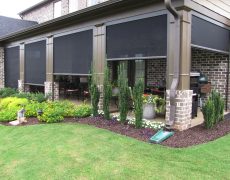
Fit is especially relevant around the perimeter. The larger the gap between the covering and the glass area, the more direct light can enter. Outside-mounted shades are often selected for this reason, especially on windows with shallow depth or when homeowners want broader coverage beyond the opening.
UV management is another practical benefit. Hardwood floors, artwork, upholstery, and cabinetry can fade under sustained sun exposure. The appropriate fabric and coverage strategy can reduce that exposure while keeping a room bright enough for daily living. For a restaurant, clinic, or office, it can also improve guest and employee comfort without making the space feel shut off from daylight.
Why Factory-to-Installation Service Matters
A precision result depends on communication between the person measuring, the team fabricating, and the installer completing the work. When those steps are disconnected, details can get lost: an unusual trim condition, a preferred stack direction, a power constraint, or a need to align shades across a wall.
ShadeoTech manages consultation, measurement, Texas manufacturing, installation, and smart-home setup as one coordinated process. That approach reduces handoffs and helps ensure the finished product reflects what was specified in the home or commercial space. It also supports factory-direct value without treating the work like a basic retail transaction.
For builders and contractors, this coordination is particularly useful when window treatments must fit within a construction schedule. Measurements can be timed around final trim, paint, glass installation, and electrical readiness. For medical clinics and hospitality spaces, a well-planned system can support privacy, daylight management, and a polished client-facing environment without creating a maintenance burden for staff.
What to Decide Before Your Consultation
Start with how each room needs to function. Consider whether the priority is glare reduction, privacy, insulation, daytime view-through, full darkness, or automation. It is also helpful to identify which windows receive the most direct sun and whether you prefer an inside-mounted architectural look or the broader coverage of an outside mount.
Bring smart-home preferences into the conversation early. If you use Apple HomeKit, Alexa, Google Home, or a Matter-enabled platform, that affects the best control strategy. If you are planning construction, ask about wiring before walls are closed. If the home is complete, discuss battery and charging options in relation to your actual windows, not general product claims.
The most successful window treatments do not call attention to measurement mistakes, awkward gaps, or controls that never become part of daily life. They simply make the room more comfortable, more usable, and more polished. That is the practical value of getting the fit right from the first visit.
