

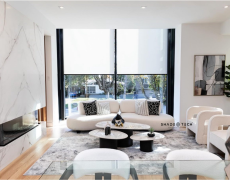
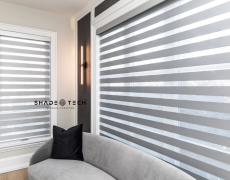
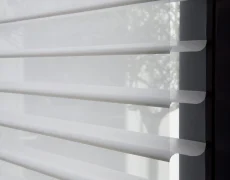
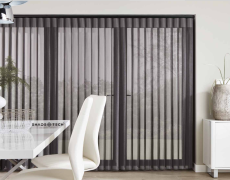







A west-facing wall of glass can turn a beautiful Dallas living room into the warmest room in the house by midafternoon. Remote shade controls give homeowners a practical way to respond without crossing the room, reaching over furniture, or leaving shades closed all day. With the right custom system, light, privacy, and heat control become part of how the home operates – not another daily chore.
For large windows, high ceilings, patio doors, and hard-to-reach clerestory glass, motorized shades are more than a convenience feature. They are a precise, quiet, and design-conscious solution for managing North Texas sun while preserving the views that made the space appealing in the first place.
What Remote Shade Controls Actually Do
Remote shade controls operate motorized window coverings using a handheld remote, wall control, mobile app, voice assistant, or scheduled automation. One command can raise a single shade, lower every shade in a room, or activate a preset position across the home.
The distinction matters because not every motorized shade system offers the same level of control. A basic remote may handle one or several shade groups. A smart-home-ready system can connect shades to Alexa, Google Home, Apple HomeKit, or Matter-compatible controls, allowing shades to respond to routines, voice commands, and other devices.
For example, a homeowner may create a “morning” scene that opens bedroom shades gradually, raises kitchen shades fully, and leaves a media-room shade lowered to reduce glare. Another routine can close west-facing shades in late afternoon during the hottest part of the day. The result is more consistent comfort without needing to remember the adjustment.
Why Dallas-Fort Worth Homes Benefit Most
Motorization is useful anywhere, but it has particular value in Dallas-Fort Worth. Intense sunlight, extended cooling seasons, and expansive contemporary window designs put pressure on both comfort and HVAC performance. The right shade fabric and opacity can reduce glare and help manage solar heat gain, while automated positioning makes that performance easier to maintain throughout the day.
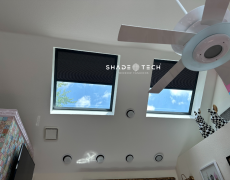
Remote operation is especially practical when windows are difficult to access. Two-story family rooms, stairwells, angled windows, and windows behind soaking tubs are common examples. Manual shades in these locations often stay in one position because adjustment is inconvenient. Motorized shades make the intended function of the window treatment usable every day.
There is also a security and privacy benefit. When a home is vacant, scheduled shades can follow a natural pattern rather than remaining open or closed for days. At night, one button can close the visible areas of the home without a room-by-room walk-through.
Choosing the Right Level of Control
The best control method depends on the room, the electrical conditions, and how the property is used. A thoughtfully designed system often combines more than one option rather than relying on a single control method.
Handheld remotes and wall controls
A dedicated remote remains one of the most reliable and approachable options. It is ideal for homeowners who want simple, immediate operation without opening an app or speaking a command. Multi-channel remotes can organize shades by room, zone, or entire-home scenes.
Wall controls provide a permanent, intuitive point of access near an entry, bedside, or seating area. In a commercial setting, this approach is often preferable for staff because the controls are visible, consistent, and do not depend on an employee’s phone.
Smartphone apps and smart-home integration
App control brings greater flexibility. Homeowners can operate shades away from home, create schedules, fine-tune positions, and coordinate shades with connected lighting, thermostats, or security routines. It is a strong fit for smart-home adopters who already use a centralized platform.
Voice control works well for quick adjustments: lowering shades for a movie, opening kitchen shades while hands are full, or closing an entire floor at bedtime. Still, voice control should complement physical controls, not replace them. Guests, children, and service providers should be able to operate the shades without needing access to a household account.
Scheduled and sensor-based automation
Schedules are often the most valuable feature because they remove the need for daily decisions. Shades can open at a preferred time, lower during direct sun exposure, and close after sunset. The schedule should reflect the orientation of each room rather than applying one rule to every window.
Sensor-based options can add responsiveness, but they require careful planning. A bright-day trigger may be useful on a sun-exposed elevation, yet it may be unnecessary in a room where the priority is preserving a view. Automation should support the way a space is lived in, not create movement that feels random or intrusive.
The Shade Matters as Much as the Control
A premium control system cannot compensate for the wrong shade material. The fabric, opacity, color, and construction determine how effectively the shade handles glare, heat, UV exposure, and privacy.
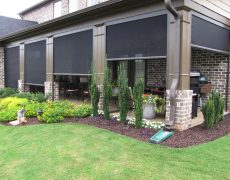
Solar screen shades are a common choice for rooms with significant daylight and outdoor views. Depending on the openness factor, they can filter harsh sun while maintaining a visual connection to the exterior. A tighter weave offers more privacy and glare reduction but limits visibility outward. For bedrooms, media rooms, and spaces where darkness matters, blackout fabrics or layered treatments may be a better fit.
Color also involves a trade-off. Lighter fabrics can reflect more light and heat, while darker fabrics may offer clearer outward visibility and a more dramatic design effect. The right choice depends on window orientation, interior finishes, and the performance goal for that room.
At ShadeoTech, this selection process is handled as part of a custom solution, not as a remote purchase from a shelf. Precise measurement, locally manufactured treatments, and professional installation help ensure the shade tracks correctly, the fabric hangs cleanly, and the motor is specified for the size and weight of the treatment.
Power Planning Before Installation
Motorized shades are available in battery-powered, hardwired, and rechargeable configurations. Each can be appropriate, but the decision should be made early, particularly during construction or renovation.
Hardwired power is often the best long-term choice for larger installations, high-use areas, and whole-home automation. It eliminates battery replacement and keeps the system ready for frequent operation. Prewiring during a build is generally less disruptive and more cost-effective than opening finished walls later.
Battery-powered shades can be an excellent retrofit option when wiring is impractical. They preserve a clean appearance and can serve windows where use is moderate. The trade-off is maintenance: batteries must eventually be recharged or replaced, and the timing varies with shade size, fabric weight, and operating frequency.
For a single difficult window, battery power may be the sensible answer. For dozens of shades across a new custom home, hardwired motors and coordinated controls typically deliver a stronger long-term experience. A professional site assessment can identify where each approach makes sense.
Remote Shade Controls for Businesses and Hospitality
In medical clinics, restaurants, offices, and hospitality spaces, shade control affects more than comfort. It shapes the guest or patient experience, protects interiors, and helps staff manage changing light conditions without interrupting service.
A restaurant with direct afternoon sun may need separate control zones for dining areas, storefront glass, and private-event rooms. A clinic may use automated shades to reduce glare in reception areas while preserving a bright, calm atmosphere. Offices can schedule shades to manage screen glare during the workday without creating a darkened environment.
Durability, installation quality, and control simplicity matter in these settings. Commercial operators need systems that look polished but remain easy for staff to use. Centralized room controls and programmed scenes can prevent the inconsistent appearance that comes from each window being adjusted independently.
Questions to Ask Before You Specify a System
Start with the windows that create the greatest daily frustration. Is the problem heat, glare, privacy, hard-to-reach placement, or the need to coordinate several shades at once? The answer will guide the fabric, motor, and control strategy.
Then consider how the household actually uses technology. A homeowner who prefers physical buttons should not be pushed into app-only operation. A family building around Apple HomeKit or Matter should verify compatibility from the outset. For builders and contractors, the earlier electrical planning and control zones are addressed, the cleaner the final installation will be.
The strongest systems are planned around the architecture and the people using the space. When remote shade controls are matched to the right fabrics, power source, and automation platform, the home stays brighter when it should be, more private when it needs to be, and far more comfortable through a Texas afternoon.
