

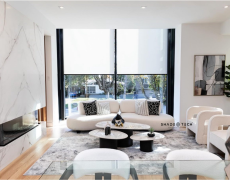
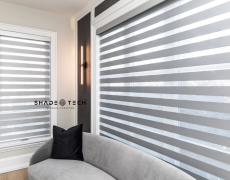
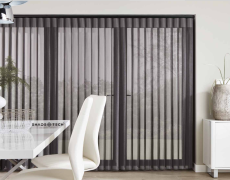







A wall of west-facing glass can turn a beautiful Dallas living room into the hottest room in the house by late afternoon. That is where the decision between motorized blinds versus manual blinds becomes more than a style preference. The right system affects daily comfort, UV protection, privacy, energy use, and how easily you can manage the windows you use most.
Manual blinds remain a practical, proven choice for many rooms. Motorized blinds add control, consistency, and smart-home capability that can be especially valuable for large, high, or hard-to-reach windows. The better choice depends on the room, the window layout, the level of automation you want, and how you expect the shades to perform in North Texas sunlight.
Motorized Blinds Versus Manual Blinds: The Core Difference
Manual blinds are operated by hand, typically with a wand, cordless lift mechanism, or pull control. They are straightforward, familiar, and well suited to windows that are easy to reach and adjusted only occasionally. A guest room, secondary office, or small bedroom may not need anything more complex.
Motorized blinds use a concealed motor that raises, lowers, tilts, or positions the treatment through a handheld remote, wall control, app, voice assistant, or programmed schedule. Depending on the system, the motor can be powered by a rechargeable battery, hardwired electrical connection, or a solar charging option. The visible difference may be minimal, but the everyday experience is very different.
For homeowners with tall contemporary windows, multi-panel doors, or rooms facing strong afternoon sun, motorization makes it realistic to use the window treatments as intended. When adjusting a shade requires a step stool, moving furniture, or walking through the house window by window, most people simply leave it in one position. Automation removes that friction.
Where Motorized Blinds Earn Their Value
Convenience is the obvious benefit, but it is not the only one. Motorized blinds make light control more consistent across the entire home. Instead of remembering to close individual coverings as the sun moves, you can lower a group of shades together at a set time or trigger them with a scene such as “Goodnight” or “Away.”
That consistency matters in Dallas-Fort Worth homes, where direct sun can create glare, fade flooring and furnishings, and add heat to rooms with expansive glass. Scheduled shade movement can reduce the burden on your HVAC system during peak exposure while still allowing daylight into the home at the times you prefer.
Better control for difficult windows
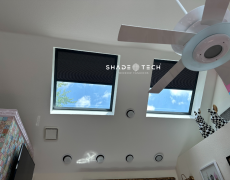
Motorized blinds are often the clear solution for clerestory windows, stairwell glass, vaulted ceilings, and windows positioned behind bathtubs, desks, or built-in furniture. They also work exceptionally well across large banks of windows, where a single command can keep the room visually balanced.
For commercial spaces, this benefit becomes operational. Medical clinics can protect patient privacy and reduce screen glare without staff walking from room to room. Restaurants can respond quickly to changing sun angles across a dining area. Builders and designers can preserve a clean architectural look without adding long cords or exposed controls.
Smart-home integration that serves a purpose
A motorized blind system should do more than provide a novelty voice command. Properly specified controls can work with Alexa, Google Home, Apple HomeKit, and Matter-enabled smart-home environments. That means shades can be part of the routines people already use.
For example, bedroom shades can rise gradually in the morning, living-room shades can close before the strongest western sun arrives, and all shades can lower when the security system is armed. The best setup is simple enough that everyone in the home will use it, while still offering precise control when needed.
Why Manual Blinds Still Make Sense
Manual blinds are not a lesser option by default. They are often the right fit when budget is the primary consideration, the windows are standard size and easily accessible, or the room does not need daily adjustments. They can deliver the same carefully selected fabric, color, opacity, and custom fit as a motorized treatment.
A manual system also has fewer electronic components. While high-quality motors are designed for long-term use, manual operation may appeal to homeowners who prefer the simplest possible mechanism in a low-use space. If a window covering will stay mostly open or mostly closed, automation may not provide enough added value to justify the investment.
The trade-off is practical rather than aesthetic. A manual blind can look just as refined as a motorized blind, but it requires someone to operate it every time conditions change. In a home with many windows, that small task becomes repetitive quickly.
Cost Is More Than the Initial Price
Motorized blinds cost more upfront because the system includes motors, power components, controls, programming, and, in many cases, specialized installation. Hardwired motorization can require coordination during construction or renovation, while battery-powered systems are often an excellent retrofit option for completed homes.
Manual blinds typically have a lower initial investment. However, the value calculation should account for how the space is used. In a sun-exposed family room with expensive furnishings, better protection and more dependable heat control can make motorization a sensible long-term choice. In a rarely used guest room, manual operation may be the more efficient allocation of budget.
There is also a difference between buying a motorized product and commissioning a complete system. Precise measurement, fabric selection, motor sizing, power planning, installation, and smart-home configuration all affect performance. A shade that is technically motorized but poorly fitted or disconnected from the way the home operates will not deliver the expected return.
Power Options and Maintenance Considerations
Battery-powered motorized blinds are popular because they avoid opening walls and can be installed in many existing homes. Rechargeable battery systems are clean and flexible, though they need periodic charging. Frequency varies based on shade size, fabric weight, usage, and motor type, but it should be planned for rather than treated as an afterthought.
Hardwired systems are especially compelling for new construction, major renovations, and large installations with many shades. They offer continuous power and eliminate charging routines, but they require early coordination with electricians and other trades. For high-window-count homes, that planning can create the most polished result.
Manual blinds require less technical maintenance, but they still benefit from quality components and professional installation. Cords, wands, lift systems, and brackets must be properly specified for the size and weight of the treatment. Whether manual or motorized, custom fabrication matters because oversized or poorly fitted window treatments can wear prematurely and operate inconsistently.
Design, Safety, and Daily Living
Both options can support a clean, tailored interior. The design decision starts with the treatment type, fabric, opacity, color, and mounting details, not the control method. Motorization simply removes the need for visible cords in many applications, which can strengthen a minimalist look and improve child and pet safety.
Light-filtering materials are ideal when you want softened daylight and daytime privacy without making a room feel closed off. Blackout solutions are more appropriate for bedrooms, media rooms, nurseries, and spaces where sleep or glare control is the priority. In either case, motorization makes it easier to use those features throughout the day instead of only at bedtime.
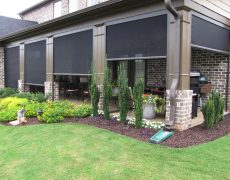
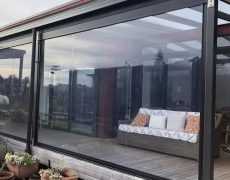
For outdoor living areas, motorized screens can be particularly practical. A patio screen that lowers at the touch of a button is far more likely to be used when bugs, glare, wind, or late-day sun interrupt dinner outside. That is a performance decision as much as a convenience upgrade.
How to Choose the Right System Room by Room
Start with the windows that create the biggest daily frustration. These are often the high windows, the west-facing glass, the rooms with television glare, and the areas where privacy changes throughout the day. Motorization has the strongest case in these locations.
Then consider how frequently the covering needs to move. If you adjust a shade daily, want coordinated movement across multiple windows, or expect voice and app control to be part of the home, a motorized system is likely worth prioritizing. If the window is accessible and rarely adjusted, manual operation can be a smart, durable choice.
Many well-planned homes use both. A homeowner may motorize the main living area, primary bedroom, patio openings, and upper-level windows while selecting manual blinds for secondary bedrooms or low-use spaces. This approach puts the investment where it creates the most comfort and convenience.
ShadeoTech approaches that decision through an on-site evaluation of window dimensions, sun exposure, power access, fabric performance, and automation goals. Local manufacturing and professional installation help ensure that the treatment fits the opening precisely and the controls work reliably from day one.
The best window treatment is the one you will actually use. Choose manual blinds where simplicity is enough, and choose motorization where light, heat, privacy, or access demand a better daily solution.
