








A west-facing wall of glass can turn a beautiful Dallas home into the warmest room in the house by late afternoon. The choice between interior shades versus exterior awnings determines where that solar heat is stopped, how the space looks, and how much daily effort is required to keep it comfortable. Both can be excellent investments, but they solve different problems.
Interior shades are designed to control light, privacy, glare, and visual comfort from inside the room. Exterior awnings intercept sunlight before it reaches the glass, making them especially valuable for patios, storefronts, and heavily exposed windows. The right answer depends on the architecture, the direction of the sun, the intended use of the space, and whether you want the system to participate in a larger smart-home plan.
How Each System Handles North Texas Heat
Heat performance is the most meaningful distinction. Once sunlight passes through glass, it can become trapped indoors as radiant heat. Interior shades reduce glare and can help limit the effect, particularly with solar screen fabrics, cellular constructions, or light-reflective backing. They improve comfort significantly, but the heat has already reached the window plane.
Exterior awnings stop a large portion of direct solar exposure before it contacts the glazing. That makes them highly effective above sun-facing windows, doors, and outdoor living areas. A properly sized awning can reduce the intensity of direct sun while preserving airflow and an open view beneath it.
For a south- or west-facing patio, an exterior solution often delivers the stronger heat-control result. For a living room with large windows, interior solar shades may be the more refined and flexible choice, especially when preserving the home’s exterior architecture matters. Many high-performance properties benefit from both: exterior shading where the sun is most punishing and interior shades for everyday light management across the home.
Interior Shades Versus Exterior Awnings for Daily Living
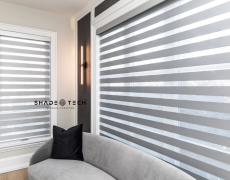
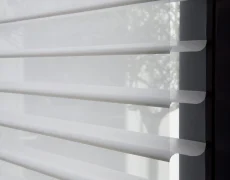
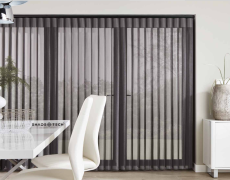
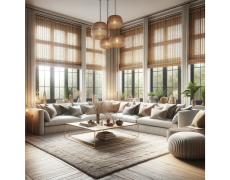
Interior shades offer more control from morning to night. They can be raised for an unobstructed view, lowered partially to soften glare, or closed for privacy after dark. Fabric openness also gives homeowners a precise design decision: a more open weave maintains outward visibility, while a tighter weave provides stronger privacy and solar control.
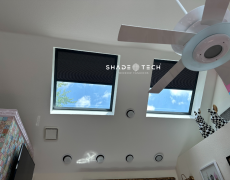
Motorization makes this especially practical in rooms with tall, wide, or hard-to-reach windows. A scheduled shade can lower before afternoon heat builds, rise with the morning routine, or respond to a voice command. For Dallas-Fort Worth homes with expansive contemporary glass, this is less about novelty and more about making a high-performance window treatment easy to use consistently.
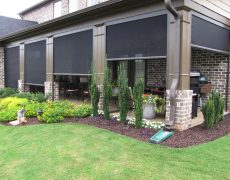
Exterior awnings are more focused. They create shade over a specific exterior zone and can make a patio, restaurant terrace, waiting area, or storefront more usable during bright, hot conditions. They do not provide nighttime privacy or fine-tuned control over interior glare in the way shades do. Their primary job is to create a shaded envelope outside the building.
That distinction matters for commercial spaces. A medical clinic may need interior roller shades to reduce glare in exam rooms and reception areas, while a restaurant may benefit from exterior awnings to keep guests comfortable near a sunny entrance or outdoor dining area. The best system follows the way people actually use the space.
Design Impact: What You See Inside and Outside
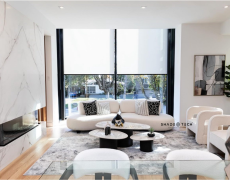
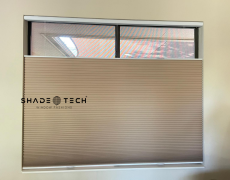
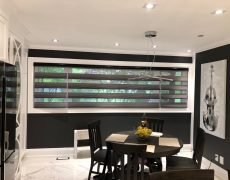
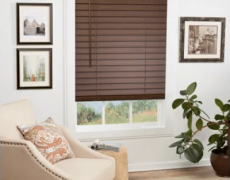
Interior shades become part of the room’s finish palette. They can disappear into a clean fascia, complement wall color, soften modern architecture, or add a tailored layer behind drapery. Because they are custom-made to the opening, they work well with oversized glass, angled light conditions, and detailed trim requirements.
Awnings make a stronger statement from the exterior. Fixed awnings can add architectural rhythm and a traditional or commercial look. Retractable systems can preserve a cleaner facade when they are not in use. Fabric selection, frame finish, projection, mounting height, and drainage all affect the final appearance, so generic sizing rarely delivers a premium result.
For homeowners who want an uninterrupted exterior elevation, interior shades are usually the quieter design choice. For a patio that feels exposed and underused, an awning can become the feature that changes how the area functions. Neither approach is universally better. One is an interior furnishing and light-management system; the other is an exterior architectural shade structure.
Durability and Weather Exposure
Exterior products work harder. They face UV exposure, wind, rain, pollen, temperature swings, and occasional severe North Texas weather. Quality materials, proper mounting, and professional installation are essential because an awning is only as dependable as its structure and attachment points. Retractable models should be operated with weather conditions in mind, particularly when strong winds are expected.
Interior shades are protected from those exterior forces, which generally makes them easier to maintain over time. However, they still need appropriate fabric selection. A room with relentless sun may need UV-resistant solar material, while bedrooms often call for room-darkening or blackout options. The goal is to match performance fabric to the room rather than choosing solely by color or price.
For either solution, precision measurement matters. Large window openings, masonry exteriors, steel lintels, motorized systems, and nonstandard ceiling heights leave little room for approximation. Factory-direct custom manufacturing and professional installation help ensure the system looks intentional and performs as designed.
Smart Controls Favor Interior Shades
Interior motorized shades are typically the stronger choice for smart-home integration. They can be grouped by room, programmed around sunrise and sunset, tied to scene controls, and integrated with Alexa, Google Home, Apple HomeKit, and Matter-enabled systems where compatible. A “Goodnight” scene can lower bedroom shades, while an “Away” setting can manage privacy and afternoon exposure automatically.
Automation also helps remove the gap between owning a shade and using it at the right time. A beautiful shade that stays raised through the hottest part of the day cannot deliver its full comfort or energy-saving potential. Scheduled control helps maintain consistency without asking homeowners to adjust every window manually.
Some exterior awnings can be motorized as well, and motorization is valuable for large retractable systems. Weather sensors can add protection by responding to wind or sun conditions. Still, exterior automation requires more safeguards because the product is exposed to the environment. For granular, room-by-room control, interior shades remain the more versatile smart option.
Cost Depends on Scope, Not Just Product Type
Comparing prices without comparing scope can be misleading. Interior shade pricing changes based on window size, fabric, opacity, motorization, power method, controls, and installation complexity. Exterior awning pricing depends on projection, width, frame construction, fabric, mounting conditions, motorization, and whether site preparation is needed.
A smaller manually operated awning may cost less than a whole-home motorized shade package. A custom retractable awning over a large patio may cost more than shades for several standard windows. The useful question is not which category is cheaper. It is which system solves the highest-priority problem in the most important space.
For clients planning a larger renovation or new build, coordinating shading early can prevent compromises later. Electrical planning, recessed pockets, exterior mounting reinforcement, control locations, and smart-home integration are far easier to address before finishes are complete.
When Interior Shades Are the Better Choice
Choose interior shades when privacy, glare reduction, design continuity, and flexible control are the main goals. They are particularly well suited to bedrooms, living rooms, offices, media spaces, clinics, conference rooms, and large glass walls where the interior experience matters as much as solar performance.
They are also the natural fit for homeowners who want automation throughout the house. Custom motorized shades can manage light across multiple exposures while maintaining a clean, intentional appearance. ShadeoTech manufactures and installs these systems locally in the Dallas area, allowing measurement, fabrication, installation, and smart-home setup to be managed as one coordinated process.
When Exterior Awnings Are the Better Choice
Choose exterior awnings when direct sun is making a patio, entry, storefront, or specific bank of windows difficult to use. Their ability to block solar exposure before it reaches the glass is their central advantage. They can make an outdoor space feel noticeably cooler and reduce the intensity of sunlight entering adjacent rooms.
They are especially practical where seasonal flexibility matters. A retractable awning can provide coverage for a hot summer afternoon and open up the sky when the weather is mild. Just plan for the exterior conditions: exposure, wind, mounting surface, and the level of maintenance appropriate for an outdoor system.
The most effective shading plan starts with the sun path, not a product preference. Look at when the room overheats, where glare lands, whether privacy is needed, and how the space is used after sunset. From there, the right solution becomes clear: stop the sun outside, manage it beautifully inside, or use both where the property demands more than one layer of protection.
