








Why motorized blinds for large windows make more sense
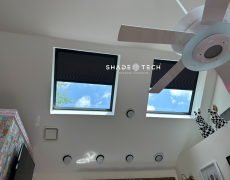
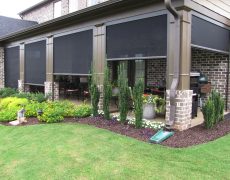
On smaller windows, manual shades can be perfectly reasonable. On oversized glass, tall openings, or stacked window walls, the trade-offs start to show. Reaching for a clutch, tugging on cords, or trying to keep multiple shades aligned usually gets old fast. Motorization solves that in a way that feels less like a luxury add-on and more like the right operating system for the window. The first benefit is control. With one remote, wall switch, app, or voice command, you can move several blinds at once and stop them at exact positions. That gives you better control over glare during the brightest part of the day and better privacy at night without disrupting the look of the room. The second benefit is consistency. In a room with four, six, or ten large windows, manually adjusted blinds rarely line up the same way every time. Motorized systems create a more polished appearance because the shades rise and lower together. In modern homes with expansive glass and clean architectural lines, that visual order matters. The third benefit is performance. Automated scheduling lets shades respond to the sun before a room overheats. Instead of waiting until the space is already uncomfortable, the system can lower at set times or adjust with smart-home routines. That can help reduce solar heat gain and protect interior finishes from prolonged UV exposure.What to look for in motorized blinds for large windows
Not every motorized product is built for wide spans or heavy use. The motor, fabric, roller tube, mounting method, and power source all need to be matched to the opening. When those parts are undersized, performance suffers. You may see uneven movement, fabric tracking issues, noise, or premature wear. A properly specified system starts with dimensions and weight. Wide shades need stronger tubes and motors that can handle the load without straining. That sounds technical because it is. Large-window shading is less about picking a fabric off a sample card and more about engineering a system that looks refined while operating reliably every day. Fabric selection matters just as much. Openness factor, color, and material composition affect glare control, privacy, and heat management. A lighter fabric may reflect more solar energy, while darker weaves often preserve outward views better. Blackout materials can be ideal for media rooms and bedrooms, but in living spaces they may feel too closed off if the goal is filtered daylight rather than full room darkening. Power is another major decision. Hardwired systems are often the cleanest option for new construction and major remodels because they eliminate battery changes and support frequent use. Rechargeable battery motors can work very well in finished homes where wiring access is limited, but battery life depends on shade size, usage frequency, and installation conditions. For especially large windows, power planning should never be an afterthought.Smart-home integration is where the value grows
The appeal of motorization is not just pressing a button. It is building the shades into the way your home operates. When blinds integrate with Alexa, Google Home, Apple HomeKit, or Matter-compatible systems, they become part of daily routines instead of a separate device you have to remember. That can be simple, like lowering west-facing shades in the late afternoon, or more customized, like pairing them with lighting and thermostat settings for evening mode. In a primary suite, one command can raise the shades in the morning and bring in natural light gradually. In a two-story living room, the system can manage windows that are otherwise difficult to reach without a ladder or specialty pole. The quality of setup matters here. Smart shades should feel dependable, not temperamental. Reliable programming, proper signal planning, and clean integration with the rest of the home make the difference between a feature you use daily and one you ignore after a month.Design matters, but so does climate performance
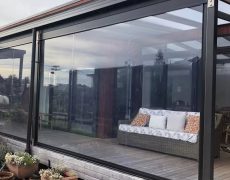
Many homeowners start with aesthetics, which makes sense. Large windows are a focal point, and the wrong window treatment can interrupt the architecture. Motorized blinds preserve a cleaner look because there are no hanging cords, no uneven pull heights, and fewer visible compromises. Still, appearance alone is not enough in a sun-intense climate. Large glass expanses can drive up room temperatures, fade hardwood floors, and create discomfort in seating areas near the windows. The right shade system helps moderate those effects while keeping the room bright and usable. This is where custom manufacturing has a clear advantage. Oversized openings often require exact sizing, fabric recommendations based on window orientation, and hardware selected for local conditions. A generic off-the-shelf option may fit loosely, operate poorly, or leave too much light gap around the edges. For homeowners who care about both design and long-term function, precision matters.Why measurement and installation are not minor details
Large-window motorization is not forgiving of bad measurements. Even small discrepancies can affect alignment, bracket spacing, hembar leveling, and overall appearance. If several shades sit side by side, those errors become even more obvious. Professional installation also protects the system itself. Motors need secure mounting, correct limits, and smooth operation from the first cycle. Wiring, charging access, and control setup all have to be considered before the final handoff. In taller spaces or over stairs, installation becomes a safety and logistics issue as well as a finish-quality issue. That is one reason a full-service approach tends to produce better outcomes than piecing the project together through separate retail and contractor channels. When consultation, measurement, manufacturing, installation, and smart-home setup are handled as one system, there is more accountability at every step. For Dallas-area homeowners, working with a local specialist such as ShadeoTech also means the recommendations are shaped by real climate conditions, not just catalog options. That shows up in fabric guidance, motor selection, and the practical details that affect performance over time.When motorized blinds are worth the investment
Large-window automation is usually worth it when the windows are tall, wide, hard to reach, or exposed to heavy sun. It also makes sense when you want a cleaner interior look, better daily convenience, or integrated smart-home control. That said, the right solution depends on the room. A media room may need blackout performance. A living room may benefit more from solar shades that preserve the view while reducing glare. A commercial space may prioritize durability, repeatable operation, and a polished appearance across many openings. Budget matters too. Motorization costs more upfront than manual operation, especially with custom fabrication and professional installation. But for large windows, the upgrade often pays off in usability. If a shade is hard to operate, people tend not to use it consistently. When operation becomes effortless, the shade does its job more often – controlling heat, protecting interiors, and improving comfort day after day. The best motorized blind system does not call attention to itself. It moves quietly, looks tailored to the space, and works when you expect it to. For large windows, that kind of performance is not extra. It is what makes the glass feel like an asset all day, not just when the light is perfect.Frequently Asked Questions
Are motorized blinds good for large windows?
Yes. Motorized blinds are ideal for large windows because they make wide, tall, or hard-to-reach windows easier to control. Instead of manually adjusting each shade, homeowners can use a remote, wall switch, app, voice command, or smart-home routine to manage light, glare, privacy, and heat more consistently.
What type of motorized blinds work best for large windows in Dallas homes?
For large windows in Dallas homes, motorized roller shades, solar shades, cellular shades, and blackout shades are common choices depending on the room. Solar shades are useful for reducing glare and UV exposure while preserving views, cellular shades help with insulation, and blackout shades work well for bedrooms, media rooms, and spaces that need full light control.
Can motorized blinds help reduce heat from large windows?
Yes. Properly selected motorized blinds can help reduce solar heat gain by closing during the hottest parts of the day. In North Texas, where intense sunlight can quickly heat rooms with large glass areas, automated shades can improve comfort, protect flooring and furniture from UV exposure, and support better energy efficiency.
Can motorized blinds connect with Alexa, Google Home, Apple HomeKit, or Matter?
Yes. Many modern motorized blinds can connect with smart-home platforms such as Alexa, Google Home, Apple HomeKit, and Matter-compatible systems. This allows homeowners to control large window shades with voice commands, mobile apps, schedules, and custom routines based on time of day, sunlight, or room use.
Do large motorized blinds need professional installation?
Yes, professional installation is strongly recommended for large motorized blinds. Oversized windows require accurate measurements, correct motor sizing, secure mounting, proper shade alignment, and reliable smart-control setup. For Dallas-area homes, professional installation helps ensure the shades operate smoothly, look clean, and perform well under local heat and sunlight conditions.
