

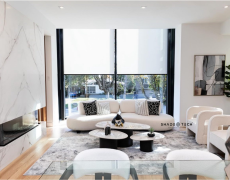
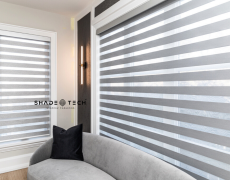
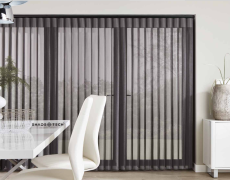
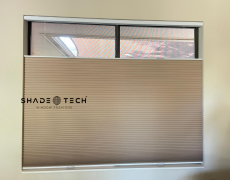

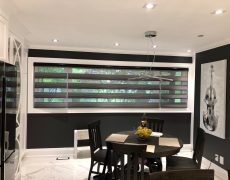
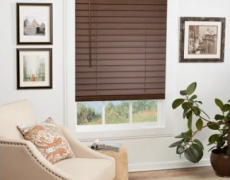
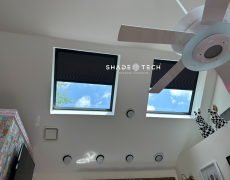






A west-facing living room in Dallas can turn from bright to punishing well before dinner. Large glass walls look exceptional, but they also invite glare, UV exposure, and solar heat that can make a beautiful room difficult to use. The most meaningful factory direct shade benefits begin there: window treatments engineered for the actual glass, orientation, lifestyle, and smart-home system in the home rather than selected from a limited retail shelf.
For homeowners, builders, restaurants, clinics, and commercial property teams, factory direct does not simply mean buying shades without a showroom. It means fewer handoffs between the people who measure, make, install, and support the system. That tighter process can improve fit, shorten the path from design decision to installation, and put more of the investment into material quality, custom fabrication, and dependable automation.
What Factory Direct Really Changes
Traditional window-covering purchases can pass through several layers: a brand, distributor, retailer, independent installer, and sometimes a separate smart-home integrator. Each layer can add cost, scheduling complexity, or uncertainty about who owns a problem if a shade does not fit or a motor needs adjustment.
A factory-direct model brings the process closer to one accountable team. The same company can consult on fabric and opacity, take precise measurements, manufacture to the order, install the finished system, and connect motorized shades to the home. That matters on expansive contemporary windows, angled openings, tall ceilings, patio doors, and other conditions where an off-the-shelf solution is rarely enough.
Factory direct is not a promise that every project will be inexpensive. Premium motors, specialty fabrics, architectural hardware, and complex installations still carry a real cost. The advantage is clearer value: fewer retail markups and more control over where the budget goes.
Factory Direct Shade Benefits That Matter in North Texas
A more precise fit for demanding windows
Custom shades are only as effective as their measurements. A narrow gap can allow a hard strip of afternoon glare across a television or desk. An incorrectly placed bracket can interfere with trim, door operation, or a recessed ceiling detail. On wide openings, alignment and tension are just as important as the fabric itself.
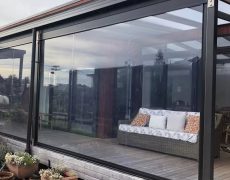
Factory-direct fabrication allows the product to be built around the final field measurements instead of forcing the window to accept standard dimensions. That precision creates a cleaner appearance, better coverage, and a more intentional result. It is especially valuable in Dallas-Fort Worth homes with oversized windows, floor-to-ceiling glass, and open-plan spaces where every detail is visible.
Better control of heat, glare, and UV exposure
North Texas sun is not a cosmetic concern. Solar heat gain can make rooms uncomfortable, put more demand on HVAC equipment, and fade flooring, artwork, upholstery, and wood finishes over time. The right shade system manages those conditions without automatically making a room dark.
Solar screen fabrics can preserve a view while reducing glare and harsh light. Room-darkening and blackout options suit bedrooms, media rooms, and patient spaces that need stronger light control. Layered solutions, including shades paired with drapery or shutters, can add insulation and design depth where appropriate.
The best option depends on window direction, glass type, how the room is used, and whether view preservation is a priority. A south-facing kitchen may need a different openness factor than a west-facing office or a restaurant dining room. A direct manufacturer can guide that specification early, before the wrong fabric becomes an expensive compromise.
More value in the components you use every day
A premium shade system has many parts beyond its visible fabric: brackets, rollers, hem bars, motors, control modules, wiring or rechargeable batteries, and installation hardware. Factory-direct pricing can reduce the layered retail margin that often sits between these components and the final customer.
That can create room in the budget for choices that improve long-term ownership, such as a quieter motor, a more durable fabric, custom fascia, or professional electrical coordination for hardwired automation. The goal is not to choose features for their own sake. It is to spend on performance and finish details that remain valuable after the first week of ownership.
Smart-home integration designed as part of the project
Motorized shades are most useful when they work consistently. A shade that responds to a wall remote but not the household’s preferred smart-home platform quickly becomes another device to manage. Planning automation from the start avoids that fragmented experience.
A properly specified system can support scheduled routines, scene control, voice commands, and app-based operation. For example, shades can lower in a west-facing great room before peak afternoon sun, rise with a morning routine, or close as part of an evening privacy scene. Compatibility with Alexa, Google Home, Apple HomeKit, and Matter-enabled environments should be confirmed at the project level, not assumed after installation.
There are practical trade-offs. Battery-powered shades can be an excellent choice for finished rooms where running power would be disruptive, but hardwired systems may be the better long-term fit for large installations, frequent daily use, or new construction. An experienced manufacturer and installer can explain those choices without treating automation as an afterthought.
Why Local Manufacturing Improves the Experience
Local production creates a practical advantage when questions arise. If a fabric detail, bracket position, motor specification, or final dimension needs review, the project team can address it with direct access to the people producing the shade. That is very different from placing an order through a distant supply chain and hoping the finished product arrives exactly as expected.
For ShadeoTech customers, local manufacturing in Carrollton also supports a more coordinated workflow from consultation through installation. It gives the team the ability to build for North Texas conditions and for the architectural realities of the local market, from sun-heavy suburban homes to polished medical clinics and hospitality spaces.
Local does not eliminate lead times. Custom work still requires careful measurement, fabrication, quality checks, and scheduling. It does, however, reduce the distance between decision-making and production. That usually means better visibility, faster issue resolution, and less chance that a project is passed from one vendor to another.
Professional Installation Protects the Investment
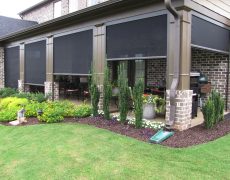
Window treatments are often judged by their fabric, but installed performance is what homeowners live with. Motorized systems need secure mounting, correct alignment, reliable power planning, and careful programming. Exterior screens require equally careful attention to opening conditions, wind exposure, mounting surfaces, and use patterns.
Professional installation also protects the clean visual effect that draws many people to custom shades in the first place. Cables, fascias, rollers, and controls should be positioned with purpose. On motorized systems, the installer should test limits, verify group controls, confirm smart-home commands, and show the owner how to use the system before the project is complete.
For contractors and builders, this single-source accountability can simplify coordination. Rather than arranging one party for product selection, another for measurement, and another for programming, the project can move through a defined process with fewer opportunities for scope gaps.
When Factory Direct Is the Right Choice
Factory direct is most compelling when window treatments need to solve more than one problem. If a homeowner wants privacy, glare reduction, a tailored architectural look, and voice-controlled operation across multiple rooms, a custom, integrated approach is usually more efficient than assembling separate retail purchases.
It also makes sense for commercial spaces where appearance and daily reliability matter. A medical clinic may need privacy and controlled daylight in treatment rooms. A restaurant may need screen solutions that improve patio comfort without closing off the space. An office may need glare control that makes conference-room displays usable throughout the day. In each case, the product must fit the opening, but it also must suit the way people use the space.
A simple, standard-size window with a short-term need may not require this level of service. Ready-made shades can be appropriate for a rental property, a quick refresh, or a low-priority room. The difference is that factory-direct custom shading is built for owners who want the treatment to perform as part of the property, not merely cover the glass.
The strongest result comes from treating shades as an architectural and technical decision early in the project. With the right fabric, accurate fabrication, professional installation, and automation that fits the way you live, sunlight becomes something your home or business manages intelligently rather than something every room has to endure.
