

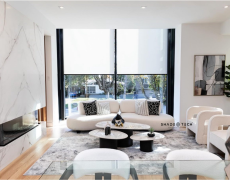
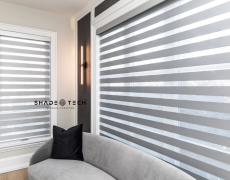
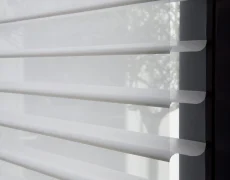
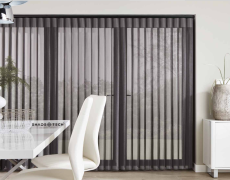

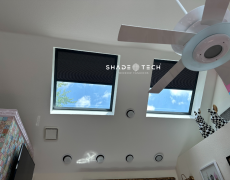


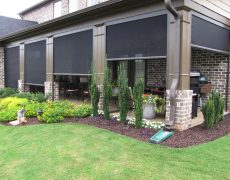

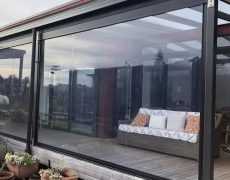



A west-facing living room in Dallas can look spectacular at 5 p.m. and feel punishingly hot by 5:30. Large windows deserve more than an off-the-shelf covering that almost fits. Custom roman shades give homeowners and commercial property owners a tailored way to manage glare, UV exposure, privacy, and interior design without sacrificing the architectural impact of the glass.
Roman shades have a softer, more tailored profile than roller shades, yet they can deliver serious performance when the fabric, liner, lift system, and installation are specified correctly. For North Texas properties, that precision matters. The right shade can reduce harsh afternoon light, help protect flooring and furnishings, and make a room more comfortable to use throughout the day.
Why custom roman shades are worth specifying
The difference begins with fit. A custom-made roman shade is measured for the actual window opening, including small variations that are common in older homes, remodeled spaces, and expansive contemporary window walls. That creates cleaner sightlines, better coverage, and a finished appearance that ready-made shades rarely achieve.
Fabric selection is equally important. A pale linen-look fabric may create a bright, relaxed room, while a densely woven textile can provide more privacy and light control. Add a liner, and the performance changes again. Privacy lining softens incoming daylight and limits visibility from outside. Room-darkening lining is better suited to bedrooms, media rooms, nurseries, and treatment spaces where glare reduction is a priority.
There is a trade-off: heavier fabrics and linings create a fuller, more insulated shade, but they also make the shade more visually substantial. In a minimal modern home, a flatter tailored fold with a refined neutral fabric may be the better design choice. In a traditional dining room or boutique hospitality setting, a more dimensional fold can add warmth and presence.
Better comfort around sun-exposed windows
North Texas sun does not only create glare. It adds heat to rooms with southern and western exposure, especially where large glass panels face patios, pools, or open yards. Roman shades can soften direct light before it reaches seating, artwork, wood floors, and electronics.
They are not a replacement for high-performance glass or dedicated solar shades in every situation. If a room receives intense direct sun all afternoon, a solar screen or exterior shading solution may offer stronger heat and glare management. But for rooms where appearance matters as much as comfort, lined roman shades are an excellent interior layer. Many homeowners use them where they want a more finished decorative treatment than a technical solar shade alone can provide.
Choosing the right style for the room
Roman shades are not one uniform product. Their fold style affects the visual weight of the window and how well the shade suits the space.
Flat roman shades have a clean, uninterrupted face when lowered. They work especially well in modern homes, offices, medical clinics, and restaurants where a polished, architectural look is the goal. A subtle texture or woven fabric gives the surface interest without making the window feel busy.
Relaxed or soft-fold styles create a gentler, more traditional appearance. They can complement breakfast nooks, bedrooms, libraries, and hospitality interiors that benefit from warmth. These styles need careful fabrication and installation so the folds hang consistently across multiple windows.
Tailored fold styles sit between those two looks, offering structure without appearing severe. They are a practical choice for Dallas homes that blend contemporary construction with warmer materials such as white oak, natural stone, plaster, or layered textiles.
For wide windows, the decision may involve more than aesthetics. A single oversized shade can be heavy and difficult to operate, even with motorization. Dividing a large opening into multiple aligned shades often improves performance, keeps the proportions balanced, and gives more flexible control over daylight.
Lining, privacy, and light control
The fabric on the front of a roman shade gets most of the attention, but the lining determines much of its daily usefulness. It also affects how the fabric hangs, how well it resists sun exposure, and how the shade looks from outdoors.
Unlined shades allow the most light through and keep the profile light. They can be beautiful in low-exposure rooms or where privacy is not a concern. For most Dallas-area homes, however, a lined option provides more practical value.
Privacy lining filters light while reducing daytime and nighttime visibility. It is well suited to living rooms, dining rooms, street-facing windows, and commercial settings where a soft glow is welcome. Room-darkening lining offers a stronger barrier, although “room darkening” is not the same as total blackout. Light can still appear around the sides of an inside-mounted shade, particularly in bright rooms. For near-blackout conditions, the mounting method, side gaps, and the complete window treatment design must be planned together.
Color also changes the result. Light shades can reflect more visible brightness into a room and make a space feel open. Darker fabrics can add contrast and drama, but may absorb more light and make a small room feel more enclosed. The best choice depends on window orientation, wall color, privacy needs, and how the room is used after sunset.
Motorized roman shades add practical control
Roman shades are often selected for their fabric and finish, then upgraded with motorization because the convenience quickly becomes part of the room’s routine. A motorized shade is particularly valuable on high windows, behind furniture, across a bank of glass doors, or in spaces where several shades need to move together.
With the right smart-home configuration, shades can run on schedules, respond to voice commands, or operate as part of a scene. A morning scene might raise shades in the kitchen and family room. An afternoon schedule can lower west-facing shades before direct sun reaches the room. An evening scene can provide privacy throughout the home without walking window to window.
Compatibility should be discussed before fabrication, not after installation. Homeowners may want control through Alexa, Google Home, Apple HomeKit, or a Matter-enabled smart-home platform. The ideal motor and control approach depends on the existing system, whether power is available at the window, and whether battery or hardwired operation makes more sense.
Battery-powered motors can be a strong option for finished homes where running new wiring would disrupt walls or trim. Hardwired systems are often preferred during new construction and major renovations because they reduce ongoing battery maintenance and support a more permanent whole-home setup. Neither is automatically better. The right solution is the one that fits the property, the window layout, and the owner’s expectations for daily use.
Why professional measurement and installation matter
Roman shades look simple once installed. The work behind a clean finished result is not. Mounting depth, trim details, window hardware, fabric behavior, and lift alignment all affect the outcome. Even a small measuring error can create visible gaps, interfere with the window operation, or make a group of shades look uneven.
Professional installation also matters for safety and longevity. Mounting hardware must be properly secured, especially on wide or heavier shades. Motorized systems need accurate programming, paired controls, and clear handoff instructions. For commercial properties, consistent alignment across a reception area, dining room, clinic, or conference space is part of the finished presentation.
ShadeoTech approaches the process as a coordinated service, from consultation and precision measurement through local Texas manufacturing, installation, and smart-home setup. That factory-direct model gives clients a more controlled path than buying fabric treatments from one source and trying to coordinate installation and automation separately.
A better starting point for your windows
Before choosing a fabric, consider what each room needs at its most demanding hour. Is the issue late-day heat, street-facing privacy, screen glare, a child’s nap schedule, or a room that needs to look finished for clients and guests? Those answers will guide the fold style, lining, mounting approach, and automation plan far better than color alone.
The best custom roman shades feel intentional every time they move: proportioned to the window, suited to the Texas light, and simple to control when the day changes.
