

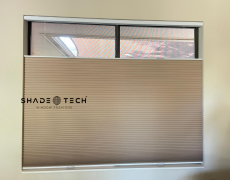

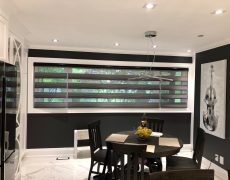
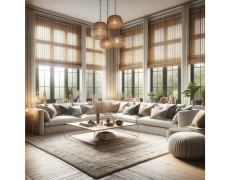
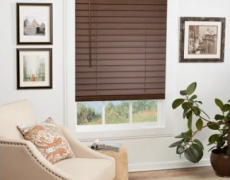






When a wall of west-facing windows turns your living room into a heat trap by 4 p.m., smart blinds stop being a gadget and start being a practical upgrade. Matter compatible smart blinds are designed to solve a real problem: they give you reliable control over light, privacy, heat gain, and daily comfort without locking you into a single smart-home brand.
That flexibility is the main reason Matter has become such a meaningful standard for premium window treatments. For homeowners in Dallas-Fort Worth, where sun exposure, UV load, and oversized modern windows are common, the value goes beyond voice control. The right system can help protect interiors, reduce glare, support energy efficiency, and make the house feel better throughout the day.
What matter compatible smart blinds actually mean
Matter is a smart-home standard built to improve device compatibility across major platforms. In plain terms, it helps smart devices work more consistently with ecosystems like Apple Home, Google Home, Amazon Alexa, and other Matter-supported controllers.
For blinds, that means your shades are less likely to feel like an isolated add-on. Instead of choosing window treatments based on one app or one voice assistant, you can plan around how your home already works. If your household uses iPhones, smart speakers, tablets, and multiple family members with different preferences, that matters.
It also changes the long-term value of the purchase. Custom blinds are not disposable electronics. They are built into the room, sized to the opening, and expected to perform for years. Choosing a control platform with broader compatibility can make the system more resilient if your smart-home setup evolves later.
Why matter compatible smart blinds fit high-end homes
In a custom home or a well-designed renovation, window treatments need to do more than open and close. They need to look clean, move quietly, align with the architecture, and operate predictably every day.
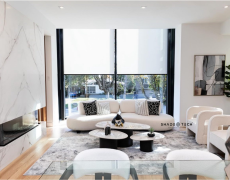
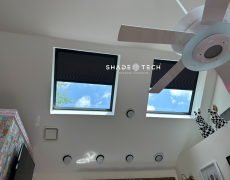
Matter compatible smart blinds are especially well suited to homes with large glass expanses, tall windows, and heavily sun-exposed rooms. Those spaces benefit from schedules and automation scenes that respond to daily routines. A media room can lower shades before movie time. A breakfast area can raise them in the morning and close partially in peak afternoon sun. A primary bedroom can stay dark until wake-up time, then open gradually.
That kind of automation sounds simple, but the quality of the setup makes a huge difference. A custom-fit blind with the right motor, fabric, power strategy, and programming will feel integrated. A poorly planned system often feels like a novelty that gets ignored after a few weeks.
The biggest benefit is not voice control
Voice commands get attention because they are easy to demonstrate. “Close the blinds” is convenient, but it is not the most valuable part of the system.
The bigger advantage is automation that runs quietly in the background. That is where smart blinds start improving daily life. Scheduled movement can reduce heat gain before rooms get uncomfortable. It can help preserve flooring, rugs, artwork, and furniture by limiting harsh UV exposure. It can also improve privacy at predictable times without anyone having to think about it.
For North Texas homes, this is especially relevant. Strong sunlight and long cooling seasons put real pressure on interiors. Smart shading becomes part of the home’s performance strategy, not just its tech stack.
What to look for in matter compatible smart blinds
Not every motorized blind marketed as smart is equally capable. Some products connect easily but offer limited customization. Others have stronger motors and better fabrics but require more planning. The best choice depends on the window size, the room’s use, and how polished you want the final result to feel.
Motor quality should be high on the list. A blind that struggles with large shades, moves unevenly, or produces excessive noise will not feel premium for long. Battery versus hardwired power also deserves careful thought. Battery motors can be ideal in retrofit situations where wiring access is limited. Hardwired options are often better for new construction, major remodels, or projects with many large openings where low-maintenance operation matters.
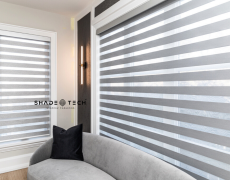
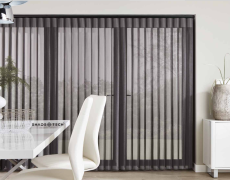
Fabric selection matters just as much as the motor. Openness, opacity, color, texture, and solar performance all affect the room. A shade that looks perfect online may create glare on a TV or leave a bedroom brighter than expected. This is where custom consultation becomes valuable. Window orientation, interior finishes, and intended use all influence the right specification.
Control options should also be reviewed beyond the Matter label itself. Ask how the blinds behave in apps, scenes, schedules, and grouped controls. A product can technically support Matter and still offer a frustrating user experience if the setup is weak or the programming is generic.
Installation quality is where good products become great systems
Smart blinds are one of those categories where the hardware is only part of the story. Precision measurement, bracket placement, concealment details, programming, and final calibration all shape the result.
In large contemporary homes, even small alignment issues are obvious. Uneven hems, inconsistent light gaps, and poorly placed charging access can take the finish from tailored to improvised. Professional installation matters because these are architectural products as much as they are smart devices.
That is especially true when multiple rooms need coordinated operation. Grouped shades should move at the same speed, stop at the right preset positions, and respond consistently across wall controls, apps, and voice assistants. That level of polish usually comes from end-to-end planning, not from piecing together products from different sources.
For homeowners who want a refined result, working with a local manufacturer and installer can make the process far more efficient. ShadeoTech, for example, builds and installs custom systems locally for North Texas homes, which helps align product selection, fit, and automation setup under one team instead of spreading responsibility across a retailer, contractor, and separate programmer.
Trade-offs to consider before you buy
Matter compatible smart blinds are not a one-size-fits-all purchase. There are real trade-offs, and a good provider should be honest about them.
Battery-powered blinds offer a cleaner path for many existing homes, but they will eventually need charging or battery replacement. Hardwired systems reduce ongoing maintenance, but they require more planning and usually make the most sense earlier in a project timeline.
There is also the question of budget. Custom motorized blinds cost more than manual treatments, and premium automation features raise that investment. For many homeowners, the value is strongest in rooms where comfort, privacy, glare control, and convenience are daily concerns. Not every window needs the same level of automation.
Matter compatibility also does not erase all platform differences. Some ecosystems still handle automations, room grouping, and voice behavior better than others. The standard helps a lot, but the real-world experience still depends on the devices in your home and how well the system is configured.
Where they make the biggest impact
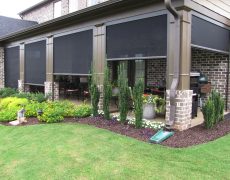
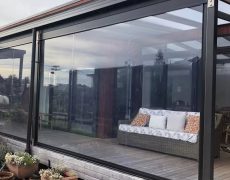
The strongest use cases are usually obvious once you think in terms of daily friction. Double-height living rooms are difficult to manage manually. Bedrooms benefit from timed privacy and wake routines. Home offices need glare control that adjusts with the sun. Patio-facing spaces often need quick privacy and solar management at the touch of a button.
Commercial settings can benefit too. Conference rooms, hospitality spaces, and client-facing interiors often need a polished, repeatable shading solution that supports both appearance and operational efficiency. In those environments, consistency matters as much as convenience.
A smarter way to plan the project
If you are considering matter compatible smart blinds, start with the windows that create the most discomfort or the most inconvenience. That usually reveals the right mix of fabrics, controls, and automation goals. From there, the conversation should move to measurements, power planning, and ecosystem integration.
A well-executed smart blind project should feel simple once it is installed. The technology should fade into the background while the comfort, privacy, and light control become more noticeable every day. That is the standard worth aiming for, especially in a home where design and performance both matter.
The best smart blinds are not the ones with the longest feature sheet. They are the ones you trust to respond correctly on a bright Texas afternoon, in a quiet bedroom before sunrise, or across a full wall of glass when the room needs to change with one command.
