
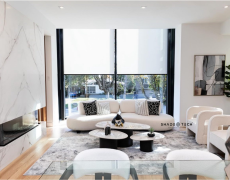
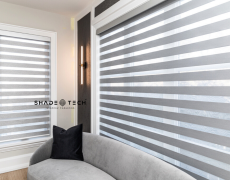
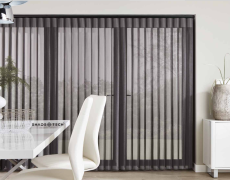
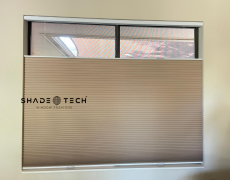

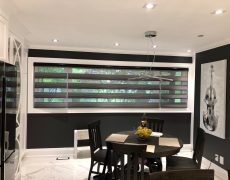
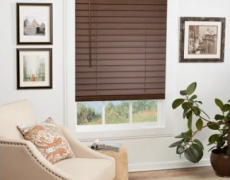
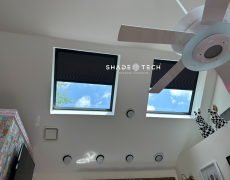


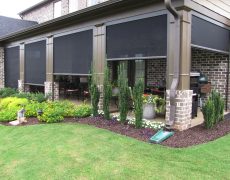

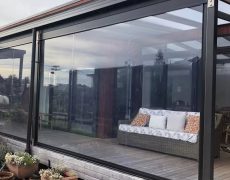


A wall of west-facing glass looks impressive at 6 p.m. in a listing photo. By August in North Texas, it can also turn a living room, conference room, or restaurant dining area into a heat trap. That is where factory direct window treatments make a measurable difference. They are not just a pricing model. They change how shades, blinds, shutters, and motorized systems are designed, built, installed, and supported.
What factory direct window treatments actually mean
The phrase gets used loosely, so it helps to define it clearly. Factory direct window treatments are custom products purchased from a company that manufactures and often measures, installs, and services them without layering in a traditional retail showroom markup. Instead of buying through a chain of distributor, rep, and storefront, you work closer to the source.
That matters because window treatments are not one-size-fits-all finish items. They are precision products that have to match the opening, the light conditions, the control method, and the way the room is used. A slight measuring error can create light gaps. A low-grade fabric can fade under Texas UV exposure. A motorized shade that looks good on paper can become frustrating if it is not programmed correctly or paired reliably with the home automation system.
A true factory-direct model reduces those handoff points. Fewer layers usually mean better accountability, faster communication, and more control over quality.
Why factory direct window treatments appeal to Dallas-area buyers
In the Dallas-Fort Worth market, custom shading is often less about decoration and more about performance. Homes tend to have larger windows, taller ceilings, open-concept layouts, and outdoor living areas that take significant sun exposure. Commercial properties face a similar issue, especially in clinics, restaurants, offices, and hospitality spaces where glare, privacy, and temperature swings affect daily operations.
Factory direct window treatments fit this market because they can be built around local conditions instead of broad national averages. That includes selecting materials that hold up under strong UV, using darker openness factors where solar control matters, and planning motorization for hard-to-reach glass or rooms with changing light throughout the day.
For buyers investing in higher-end interiors, the other appeal is consistency. The same team can align fabric selection, bracket placement, valance details, power planning, and smart controls from the first consultation through final installation. That is very different from choosing a sample in one place, sending measurements to another, and hoping the installer interprets everything the same way.
The cost advantage is real, but it is not the whole story
Most people first notice the pricing. Cutting out retail markups can create meaningful savings, especially on larger projects with multiple windows, motorized systems, or exterior shades. But the more valuable advantage is often where the money goes.
With factory direct service, more of the budget can go into better fabrics, stronger components, quieter motors, cleaner installation, and professional setup. That shifts the decision away from chasing the lowest upfront number and toward getting a better-performing result.
There is still nuance here. Factory direct does not automatically mean cheap, and premium custom products should not be expected to price like off-the-shelf blinds. If a project includes smart motors, rechargeable or hardwired power, oversized shades, specialty fabrics, or exterior systems, the investment will reflect that. What changes is that the pricing is tied more directly to the product and service delivered, not to multiple layers of middleman margin.
Custom fit matters more than most buyers expect
Window treatments look simple until they are installed poorly. A shade that is a fraction of an inch off can expose uneven light gaps. A shutter built without accounting for trim depth or handle clearance can interfere with operation. An exterior screen that is not engineered for the opening and conditions can disappoint quickly.
That is why the best factory-direct providers focus heavily on site measurement and fabrication tolerances. Custom fit becomes even more important in modern homes with expansive windows, corner glass, sliders, and unusual architectural details. It is also critical in commercial spaces, where appearance, durability, and repeatability across many openings matter.
When one company controls measuring, manufacturing, and installation, there is less room for guesswork. If an opening is out of square or a mounting surface requires a specific solution, that can be addressed before fabrication instead of after a product arrives.
Motorization changes the conversation
For many homeowners and commercial buyers, the strongest reason to go factory direct is automation. Motorized blinds and shades are no longer niche upgrades. In large homes, media rooms, primary suites, offices, and patio areas, they solve practical problems every day.
The challenge is that motorization is not just about adding a remote. The best systems need coordinated planning around power, signal strength, shade grouping, scheduling, voice control, and integration with platforms like Alexa, Google Home, Apple HomeKit, or Matter-ready ecosystems. This is where a factory-direct specialist has a major advantage over a basic retail seller.
A company that understands both fabrication and smart-home setup can recommend the right motor type for each room, avoid overbuilding where manual operation makes sense, and create a control scheme that people will actually use. A sun-exposed breakfast nook may benefit from scheduled morning and afternoon adjustments. A clinic may need synchronized shades for consistent privacy. A restaurant patio may need exterior screens tied to operating hours and comfort goals.
Technology adds convenience, but only when it is specified correctly. Factory-direct service helps bridge that gap.
Quality control is better when the source is local
Local manufacturing brings practical advantages that often get overlooked. Lead times can be more predictable. Communication is tighter. If a detail needs adjustment, the path to resolution is shorter. For customers in North Texas, there is also value in working with a team that knows the climate and builds for it.
That shows up in fabric recommendations, solar performance decisions, and the way systems are installed in real homes and businesses. Local teams see firsthand how afternoon heat affects west-facing rooms, how glare impacts office productivity, and how outdoor shades need to perform through seasonal swings.
For a company like ShadeoTech, local production also supports a more controlled end-to-end process. That matters when a project includes multiple products, such as interior shades, shutters, and exterior screen solutions that need to feel cohesive.
Factory direct vs. big-box and showroom buying
Big-box stores and national showrooms still have a role. They can work for basic needs, quick purchases, or smaller budgets. If someone needs a temporary blind for a guest room window, convenience may matter more than customization.
But for primary living spaces, large-scale window walls, smart-home integration, or commercial installations, the limitations show up quickly. Samples may be generic. Measuring may be outsourced. Installers may not be involved early enough. Product knowledge can vary, especially when automation and power planning are part of the project.
Traditional showrooms can offer design support, but they often add another pricing layer without improving technical execution. Factory direct is strongest when the buyer wants design guidance and technical precision in the same process.
Who benefits most from factory direct window treatments
This model is especially effective for homeowners building or remodeling, buyers with tall or oversized windows, and anyone prioritizing motorization. It also makes sense for outdoor living projects where solar control and durability need to be planned carefully.
Commercial clients often see strong value as well. Medical clinics need privacy and easy operation. Restaurants need glare control and comfort without sacrificing appearance. Builders and contractors need a partner who can measure accurately, deliver consistently, and coordinate with the broader project schedule.
The common thread is that the project has enough complexity that mistakes cost time, money, and finish quality. In those cases, direct access to the manufacturer is more than convenient. It reduces risk.
What to ask before you buy
Not every company using the phrase factory direct operates the same way. Some still rely on third-party fabrication or outsourced installation. Ask whether measurements are done in-house, where the products are manufactured, who installs them, and who handles service if a motor, fabric, or control issue comes up later.
It is also smart to ask how the company approaches power options, smart-home compatibility, UV performance, and fabric selection for specific exposures. A credible specialist should be able to explain the trade-offs clearly. For example, darker solar shades can preserve views while reducing glare, but they may not provide the privacy needed at night. Blackout shades improve room darkening, but they change the look and function of a space. Shutters offer durability and architectural presence, but they are a different design and budget decision than roller shades.
Good guidance should feel precise, not pushy.
Window treatments do more than finish a room. In the right specification, they manage heat, protect interiors, improve privacy, support automation, and make large spaces easier to live in every day. If you are comparing options, the smartest question is not just what style looks best. It is who controls the process well enough to make that style perform the way it should.
