

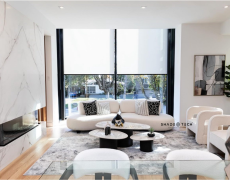
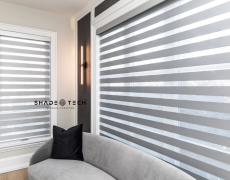
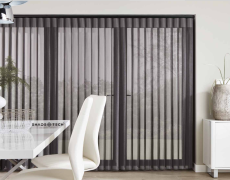

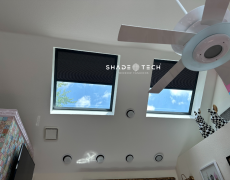


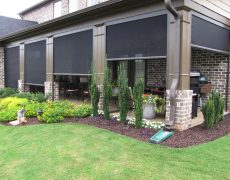

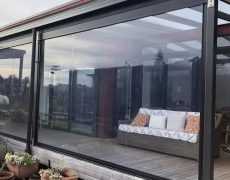



Clerestory windows make a room feel architectural and open – until afternoon sun turns the upper walls into a heat source, glare washes out the room, and adjusting a shade requires a ladder. When you automate clerestory windows, that hard-to-reach glass becomes an active part of your home’s comfort, privacy, and energy strategy.
For Dallas-Fort Worth homes, this is more than a convenience upgrade. High windows often sit directly in the path of intense Texas sun, especially in great rooms, stairwells, kitchens, and contemporary living spaces with vaulted ceilings. The right motorized shading system can respond on schedule, on command, or based on sunlight conditions without changing the clean lines that made clerestory windows appealing in the first place.
Why Clerestory Windows Need a Different Approach
Clerestory windows are installed high on a wall, usually above eye level and often near the roofline. Their job is to bring daylight deeper into a room while preserving wall space and, in many cases, privacy. They are common in modern homes, commercial lobbies, medical clinics, restaurants, and spaces with tall ceilings.
Their height is also their challenge. Manual window coverings may be awkward to operate, difficult to clean, and likely to remain in one position for weeks. That means a shade intended to control solar heat or glare is often left open at the exact time it should be working.
Automation solves the access problem, but a successful installation requires more than attaching a motor to a standard shade. Clerestory windows may be unusually wide, narrow, angled, grouped in banks, or placed above architectural features such as fireplaces and built-ins. Each condition affects fabric selection, mounting, motor capacity, power planning, and the way shades should operate together.
The Benefits of Motorized Clerestory Shades
The most immediate benefit is practical control. A wall-mounted keypad, handheld remote, smartphone app, voice assistant, or scheduled scene can raise and lower shades without reaching for a pole or climbing a step stool. For windows positioned 12, 16, or 20 feet above the floor, that convenience is also a safety improvement.
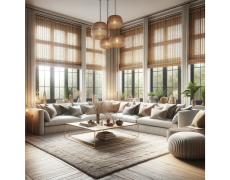
Comfort is the larger payoff. Solar screen fabrics reduce harsh daylight and help limit heat gain while preserving a view where one exists. Room-darkening fabrics provide stronger glare reduction for media rooms, bedrooms, and west-facing living areas. Depending on the fabric openness and color, a custom shade can filter light softly while protecting flooring, artwork, upholstery, and wood finishes from UV exposure.
Automated timing adds consistency. Shades can lower before the strongest west sun arrives, then rise in the evening to restore the feeling of openness. In winter, schedules can be adjusted to welcome useful daylight and passive warmth. The goal is not to keep windows covered all day. It is to use them intelligently, based on how the room is actually used.
Choose the Right Shade for the Glass and the Room
The best way to automate clerestory windows starts with the function of the room. A bright living room may need solar fabrics that reduce glare without making the space feel closed in. A bedroom with high transom windows may need room-darkening material. A clinic, restaurant, or conference room may prioritize uniform appearance, glare control, and dependable daily scheduling.
Solar Roller Shades for Heat and Glare
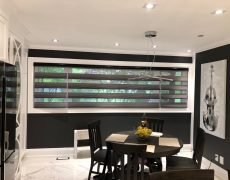
Motorized roller shades are often the cleanest choice for clerestory windows. Their low-profile design suits contemporary architecture, and they can be made to fit individual openings or coordinated across a wide bank of windows. Solar fabrics are particularly useful in North Texas because they filter direct light and reduce visible glare while maintaining a refined, minimal appearance.
Fabric openness matters. A more open weave admits more light and offers a clearer outward view, but it provides less privacy and less glare control than a tighter weave. Darker fabrics can improve outward visibility during the day, while lighter colors may better reflect heat. There is no universal best option – window orientation, glass type, ceiling height, and room use should guide the selection.
Cellular Shades for Added Insulation
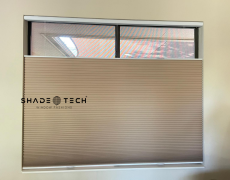
Cellular shades are worth considering when insulation is the priority. Their honeycomb structure creates air pockets that can help reduce heat transfer through the glass. They are especially useful in upper-level bedrooms, bonus rooms, and spaces where the sun creates noticeable temperature swings.
For very large or unusually shaped clerestory windows, however, roller shades may offer more flexible sizing and a more tailored appearance. A professional measurement determines which style can cover the opening properly without compromising operation or proportion.
Specialty Solutions for Unique Window Shapes
Fixed-angle, trapezoid, and arched clerestory windows can require specialty shading. Some shapes are better served by fixed panels, while others can use motorized systems designed for angled operation. This is where a custom manufacturer and installer makes a material difference. The system has to be engineered for the window, not forced into a retail-size product that only partially solves the problem.
Plan Power Before You Choose a Motor
Motorized shades generally use either battery power or hardwired power. Both can be appropriate, but the decision should be made early, particularly during a renovation or new build.
Battery-powered motors can be an excellent solution where wiring is difficult or where a clean retrofit is the priority. Rechargeable battery options reduce the need to replace disposable batteries, though high clerestory locations make charging access a consideration. Usage frequency, shade size, fabric weight, and sunlight exposure all affect battery life.
Hardwired motors are usually the preferred long-term solution for frequently used shades, large shade panels, and new construction. They avoid battery maintenance and support a more permanent installation. Low-voltage wiring can often be planned discreetly before drywall, trim, or cabinetry is completed.
Solar charging can also be practical in certain applications, but it depends on the window’s exposure and the location of the charging panel. It should be evaluated as part of the complete design rather than added as an afterthought.
Use Smart Controls That Match Daily Life
A motor is only as useful as the control system behind it. For many homeowners, the simplest setup is a scheduled routine: open shades in the morning, lower them during peak sun, and raise them after sunset. Grouping all clerestory shades in one room prevents the visual inconsistency of adjusting windows one at a time.
For a more connected home, motorized shades can integrate with Alexa, Google Home, Apple HomeKit, and Matter-enabled smart-home systems. A single “movie time” or “goodnight” command can control clerestory shades alongside lower-level window treatments, lighting, and other home systems.
Sun sensors and temperature-based automations can be useful, but they should be programmed thoughtfully. A sensor that lowers shades every time the sun appears may work against a homeowner who values morning daylight. The best automation reflects occupancy patterns, room orientation, and the times glare is actually disruptive.
Installation Details Determine Long-Term Performance
High-window installations leave little room for imprecision. Mounting height, bracket placement, fascia selection, shade alignment, and power access must be planned before installation day. On a bank of adjacent clerestory windows, even a small difference in fabric roll direction or hem-bar height can be obvious from below.
Professional installation also matters because upper windows may be near sloped ceilings, beams, recessed lighting, sprinklers, or HVAC registers. The shade must clear those elements and still provide the intended coverage. For commercial settings, installers should also account for daily wear, staff usability, and the need for consistent operation across multiple zones.
ShadeoTech manufactures custom window treatments locally in Texas and coordinates measurement, fabrication, installation, and smart-home setup as one process. That approach helps avoid the common disconnect between a window-covering purchase, an electrical plan, and a separate automation installer.
A Better Starting Point for Your Project
Before selecting fabric or controls, stand in the room at the time of day when the sun is most disruptive. Notice where glare lands, which surfaces heat up, whether privacy is a concern, and how you want the room to feel when shades are lowered. Those answers will point to the right level of filtering, insulation, and automation.
Clerestory windows should make a space feel brighter and more expansive, not harder to live with. With custom motorized shades planned around the glass, the architecture, and the way you use the room, they can deliver daylight on your terms.
