

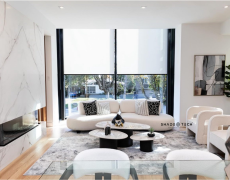
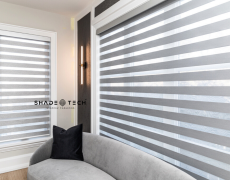
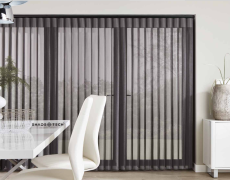

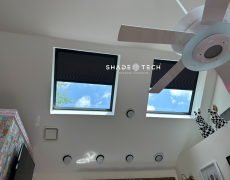


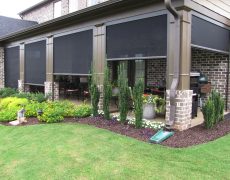

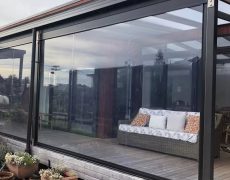



A west-facing living room in Dallas can feel comfortable at breakfast and nearly unusable by late afternoon. The issue is not just glare on a television or laptop. Intense sun can heat furnishings, fade flooring, and force your HVAC system to work harder when the day is already at its hottest. Custom indoor roller shades address those problems with a clean architectural profile that does not compete with the room itself.
For homeowners, builders, and commercial property owners, roller shades offer a rare combination of performance and restraint. They can soften daylight, protect interiors, improve privacy, and operate on a schedule without adding visual clutter to large contemporary windows. The right system depends on how each room is used, which direction the glass faces, and how much control you want over the shades after installation.
Why indoor roller shades make sense for North Texas
Roller shades are built around a straightforward idea: a precisely sized fabric panel rolls around a compact tube at the top of the window. That simplicity is part of their appeal. When raised, the shade occupies minimal visual space. When lowered, it provides a broad, uniform layer of solar and privacy control.
In North Texas, fabric selection matters as much as the mechanism. Sun exposure is often strong enough to create uncomfortable hot spots near windows, especially in rooms with expansive glass, high ceilings, and southern or western exposures. A solar screen fabric can reduce glare and filter UV while preserving an outward view. A more opaque fabric can create privacy in a bedroom, bathroom, or street-facing room. The best choice is not always the darkest one. A room with a valued backyard view may benefit more from a carefully chosen openness factor than from a fabric that blocks the view entirely.
Roller shades also suit the clean lines of modern homes, medical offices, restaurants, and hospitality spaces. Their low-profile hardware allows the window architecture, not the window covering, to take the lead. For commercial settings, that polished appearance pairs well with the practical need for consistent light control across many windows.
Choose the fabric before choosing the features
The fabric determines what occupants experience every day. It affects daylight, privacy, heat control, color appearance, and how clearly people can see through the shade. Choosing based on a small showroom sample alone can lead to disappointment, particularly when a window receives direct afternoon sun.
Solar screen fabrics preserve daylight and views
Solar screen fabrics are commonly specified by openness factor, which describes the percentage of the weave that is open. Lower openness generally means greater glare reduction and privacy, while higher openness allows more outward visibility and daylight. Neither is universally better.
For a bright family room with a view, a 3% or 5% openness fabric may provide an effective balance of filtered light and visibility. For a home office where monitor glare is the primary concern, a tighter weave may be the better fit. Fabric color also changes performance. Darker solar fabrics often provide a clearer view outward during the day, while lighter fabrics can make the room feel brighter but may reflect more light back into the space.
Blackout fabrics require realistic expectations
Blackout roller shade fabric blocks light through the material itself, making it a strong option for bedrooms, media rooms, nurseries, and treatment rooms. But fabric alone does not guarantee a completely dark room. Light can still enter at the sides of a standard shade, above the roll, or beneath the bottom bar.
When near-total darkness matters, the installation details become part of the solution. A reverse roll, fascia, cassette, side channels, or layered window treatment may be appropriate depending on the window and the desired appearance. This is where professional measurement is more valuable than an off-the-shelf size. A fraction of an inch can affect both light gaps and the finished look.
Privacy changes from day to night
A solar fabric can provide excellent daytime privacy because the exterior is brighter than the interior. At night, that relationship reverses. With interior lights on, people outside may be able to see silhouettes or activity through an open-weave shade. Bedrooms, bathrooms, and ground-level street-facing rooms often need an opaque fabric or a second layer for reliable nighttime privacy.
Motorization turns a shade into a home system
Manual roller shades remain a practical choice for accessible, lower-use windows. Motorization becomes especially valuable on tall windows, hard-to-reach glass, wide openings, and rooms where several shades need to move together. It also creates a more consistent approach to managing solar heat and glare throughout the day.
A motorized shade can be controlled by a wall keypad, handheld remote, phone app, voice assistant, or scheduled scene. For example, shades in an east-facing kitchen can lower automatically during the brightest morning hours, while west-facing living room shades can close before late-day heat reaches its peak. A single “away” scene can lower selected shades to protect interiors while the house is empty.
Integration should be planned early. Homeowners who use Alexa, Google Home, Apple HomeKit, or Matter-compatible smart-home systems should confirm how shades will communicate with the rest of the home. The control method, power source, and grouping strategy all affect long-term reliability. A shade system that works beautifully in one room but needs a different app or remote in another is not a well-planned automation experience.
Battery-powered motors can be a strong choice for finished homes where wiring is not practical. They keep installation clean and can provide years of operation between charges, depending on shade size and use. Hardwired power is often preferable during construction, major remodeling, or commercial projects with many shades. It eliminates charging routines and is particularly well suited to large or frequently operated systems.
Precise measurement is where premium results begin
Roller shades look simple because the engineering is concealed. Behind that clean front is a series of decisions about bracket placement, roll direction, fabric deductions, mounting surface, clearance, bottom-bar alignment, and motor access. Those details are easy to overlook until a shade rubs against trim, hangs unevenly, or leaves more light gap than expected.
Inside mounts offer a tailored, built-in appearance when the window recess is square and deep enough to accept the selected hardware. Outside mounts can cover shallow windows, conceal uneven framing, and improve light control by extending beyond the glass. For wide windows, a designer or installer may recommend multiple shades instead of one oversized panel. That approach can improve operation, preserve fabric alignment, and create more flexible light control.
Local manufacturing adds practical value here. ShadeoTech measures, fabricates, installs, and configures systems from its Carrollton facility, allowing the finished shade to be specified around the actual window rather than adapted from a retail size chart. For Dallas-Fort Worth projects, that also means the product can be selected with regional heat, UV exposure, and large-window layouts in mind.
Indoor roller shades for homes and commercial spaces
At home, roller shades are often most effective when each room has a clear job to do. Living areas may prioritize views and glare control. Bedrooms may need blackout performance and scheduled morning operation. A home office may need screen-friendly daylight without turning the room into a cave. The appearance can still remain consistent across the home through coordinated fabrics, colors, and hardware.
In clinics, shades can support patient comfort and privacy while maintaining a calm, professional interior. Restaurants can use them to reduce glare at tables and manage difficult afternoon sun without closing off the space. Builders and contractors can use them to deliver a finished, technology-ready result in homes where oversized windows are central to the design. In each case, durability and dependable installation matter as much as color selection.
Invest in the system, not just the fabric
The lowest shade price rarely reflects the full ownership experience. A custom roller shade is a system of fabric, tube, brackets, controls, power, measurement, installation, and support. Cutting corners on any one of those pieces can affect how the product looks and performs over time.
A well-specified system should feel quiet, balanced, and intuitive. Fabrics should be selected for the actual light conditions, motors should be sized for the shade, and controls should fit the way the property is used. That is the difference between a window covering that merely blocks light and one that improves the comfort, efficiency, and daily rhythm of a space.
The most successful shade projects begin with a simple question: what should this window do for the people using the room? Once that answer is clear, the right fabric, mounting approach, and automation plan become far easier to define.
