

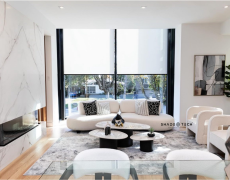
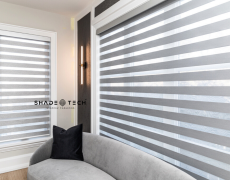
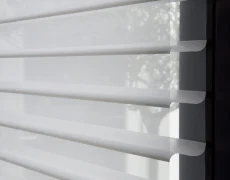
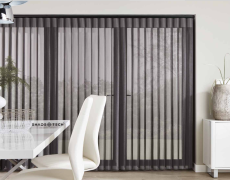







At 3 p.m. in a Dallas living room with west-facing glass, the sun stops being ambient and starts becoming a problem. Rooms heat up fast, glare takes over the TV, and the windows that looked stunning during the design phase suddenly need to work harder. That is exactly where smart shades with Alexa make a real difference – not as a gadget, but as a daily control system for comfort, privacy, and energy performance.
For homeowners investing in custom interiors and connected home upgrades, voice-controlled shades are less about novelty and more about removing friction. You do not have to cross a room, reach over furniture, or adjust multiple windows one by one. You can say, “Alexa, close the living room shades,” and get a consistent response that fits the way the space is actually used.
Why smart shades with Alexa make sense in North Texas
North Texas homes deal with a specific mix of intense sun, heat gain, UV exposure, and increasingly large windows. Open-plan layouts, tall ceilings, and wide glass walls look clean and modern, but they also create hot spots, fading, and privacy issues if the window coverings are not designed for the space.
Alexa integration matters because it turns shades into an active part of the home rather than a static finish selection. Instead of setting shades once and forgetting them, you can adjust them by room, by time of day, or by routine. Morning light in the kitchen can stay welcome, while afternoon sun in the media room gets blocked before it raises the temperature and washes out the screen.
That convenience has practical value. Homes with motorized shades often feel more comfortable because people actually use them more often. Manual shades tend to stay in one position once the novelty wears off, especially on tall windows or hard-to-reach openings. Automation fixes that.
What Alexa control actually does
The basic function is straightforward. Alexa can raise, lower, or position compatible motorized shades through voice commands or routines. You might create a wake-up routine that opens bedroom shades gradually at 7 a.m., then closes south-facing shades later in the day when heat starts building.
The real benefit is coordination. Instead of controlling each window treatment as a separate product, Alexa helps organize them into zones and scenes. A “Good Night” command can lower bedroom shades, close street-facing windows for privacy, and leave a few common-area shades partially open if preferred. A “Movie Time” command can darken the family room in seconds.
That said, the quality of the experience depends on the system behind it. Not every motorized shade setup delivers the same response time, quiet operation, or reliability. Custom programming, signal strength, and product compatibility all matter. If the shades are not measured correctly, installed correctly, and paired correctly, the smart feature becomes less impressive very quickly.
Choosing the right smart shades with Alexa
The best setup starts with the window, not the app. Shade style, fabric openness, room orientation, and control goals all affect what should be installed. In a bright living area, solar shades may be the right answer if preserving the view matters. In bedrooms, blackout roller shades usually make more sense. In formal spaces, homeowners often want a cleaner fascia, quieter motors, and fabric selections that complement the architecture instead of calling attention to the mechanism.
Alexa compatibility should be treated as one part of a larger specification. Motor quality matters. Power options matter. Fabric performance matters. So does the way the shade looks when fully raised and fully lowered. A low-cost online option may advertise voice control, but that does not guarantee smooth operation on oversized windows or long-term performance in a sun-heavy environment.
For many Dallas-area homes, battery-powered motors work well in select applications, especially where wiring is difficult and usage is moderate. Hardwired shades are often better for larger projects, new construction, or homes where frequent use and clean power management are priorities. Neither option is automatically better in every room. It depends on the scale of the home, access during installation, and how often the shades will move.
Where homeowners see the biggest payoff
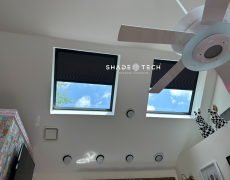
Living rooms, primary suites, home offices, and large stairwell windows usually show the value fastest. These are the spaces where glare, privacy, and heat shifts are most noticeable, and where manually adjusting shades becomes inconvenient.
In a home office, Alexa-enabled shades can cut glare during video calls without interrupting work. In a primary bedroom, they can be part of a better sleep routine by opening on schedule instead of relying on an alarm. In a two-story living area, voice control solves a very practical problem: those windows are often too high to manage comfortably any other way.
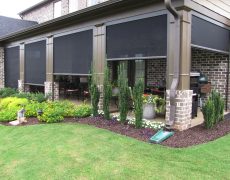
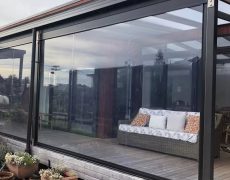
Outdoor living spaces can benefit too, especially when motorized screening is part of the design. While exterior systems involve different product requirements than interior shades, the same principle applies. Automation makes the space more usable because the shading is easy to deploy when conditions change.
The installation side matters more than most people expect
This category tends to get marketed as if the technology does all the work. In practice, the foundation is still craftsmanship. Precision measurement determines fit. Proper bracket placement affects alignment and smooth operation. Clean power planning affects reliability. Smart-home setup affects whether voice commands feel immediate or frustrating.
That is why full-service projects usually outperform pieced-together retail purchases. When consultation, manufacturing, installation, and smart setup are handled together, there is less room for mismatch. The shades are built for the actual opening, the motor choice matches the application, and the final programming reflects how the homeowner wants to use the space.
For a premium home, that coordination matters. A luxury interior can be undercut quickly by exposed battery packs in the wrong place, uneven shade lines, or an app experience that only half works. Good automation should feel quiet, precise, and predictable.
Alexa routines are where convenience becomes value
Voice control is useful, but routines are what make the system feel integrated. You can program shades to respond at specific times or as part of broader household patterns. That means less daily adjustment and more consistency.
A common example is solar management. East-facing shades can open in the morning for natural light, then west-facing shades can lower later to reduce afternoon heat load. Another is security and privacy. When evening arrives, street-facing shades can close automatically without anyone needing to think about it.
This is also where energy performance enters the conversation. Shades alone do not replace HVAC efficiency, but they can reduce solar heat gain and protect interiors from UV exposure. On expansive glass, that matters. Flooring, upholstery, artwork, and millwork all benefit from better light control, and rooms often maintain a more stable feel throughout the day.
What to watch for before you buy
Not every smart shade product marketed for Alexa is a good fit for a custom home. Compatibility claims can be technically true while still producing a mediocre user experience. Some systems require extra hubs, some have limited voice command options, and some work fine at first but struggle with larger shade sizes or long-term consistency.
It is worth asking how the shades are powered, how they will be serviced, what smart-home platforms they support, and whether the installer will handle final automation setup. Those details make the difference between a product that simply connects and one that performs like a finished part of the home.
Local manufacturing can be an advantage here, especially for custom widths, fabric selection, and lead-time control. For Dallas-area homeowners, products built and installed with North Texas conditions in mind tend to deliver a better result than one-size-fits-all solutions boxed for national retail.
ShadeoTech approaches this category the way it should be approached – as a custom window treatment project supported by smart-home expertise, not as a gadget added at the end. That means fit, finish, automation, and performance are planned together.
The best smart home upgrades are the ones you stop noticing because they simply work. Smart shades with Alexa belong in that category when they are well designed, properly installed, and matched to how the home actually lives. If your windows bring in beautiful light and too much heat at the same time, that is usually the sign that control should be built into the design, not left as an afterthought.
Frequently Asked Questions
Do smart shades work with Alexa?
Yes. Compatible smart shades can work with Alexa through voice commands, routines, and smart-home scenes. Homeowners can ask Alexa to open, close, or adjust shades by room, making it easier to control light, privacy, glare, and heat without manually operating each window treatment.
Are Alexa smart shades useful for Dallas homes?
Yes. Alexa smart shades are especially useful for Dallas and North Texas homes because they help manage strong sunlight, afternoon heat, glare, and UV exposure. Automated routines can close shades during peak sun hours, helping rooms stay more comfortable while protecting furniture, flooring, artwork, and interiors from prolonged sunlight.
What rooms benefit most from smart shades with Alexa?
Living rooms, primary bedrooms, home offices, media rooms, stairwell windows, and large glass areas benefit the most from Alexa smart shades. These spaces often deal with glare, privacy needs, hard-to-reach windows, or daily heat gain, making voice control and scheduled automation more practical than manual shades.
Can Alexa smart shades help save energy?
Alexa smart shades can support better energy efficiency by reducing solar heat gain when scheduled to close during the hottest parts of the day. While they do not replace an efficient HVAC system, they can help reduce indoor heat buildup, improve comfort, and make large windows easier to manage in sun-heavy climates like North Texas.
Do smart shades with Alexa need professional installation?
Yes, professional installation is recommended for smart shades with Alexa, especially for large windows, custom homes, or multi-room systems. Proper measurement, motor selection, power planning, mounting, pairing, and smart-home setup help ensure the shades respond reliably, move smoothly, and fit cleanly into the home’s design.
