








A west-facing living room can look spectacular at 10 a.m. and become nearly unusable by late afternoon. Sunlight washes out the television, creates reflections across countertops, overheats seating areas, and sends everyone searching for a different room. The right window treatments for glare control solve that problem without forcing you to live in the dark.
For Dallas-Fort Worth homes, glare is rarely a small inconvenience. Large contemporary windows, intense sun exposure, and open floor plans make it a daily comfort and design issue. The best solution depends on how you use the room, the direction the glass faces, the level of privacy you need, and whether preserving a view matters as much as blocking light.
Why Glare Needs a More Precise Solution
Glare is not simply brightness. It is the sharp contrast between direct or reflected sunlight and the task in front of you, whether that is reading on a tablet, preparing food, working at a desk, or watching a screen. A room can have plenty of natural light and still be uncomfortable because the light is uncontrolled.
Closing opaque blinds may eliminate the problem, but it can also eliminate daylight and make a well-designed room feel closed off. Custom shading gives you more useful control. It filters, redirects, or blocks solar light at the point where it becomes disruptive while maintaining the atmosphere you want from the space.
That distinction matters in North Texas. A treatment that performs well in a softly lit bedroom may not be sufficient for a glass-heavy great room facing west. Precise measurements, fabric selection, mounting position, and operating method all affect glare performance.
The Best Window Treatments for Glare Control by Room
Solar shades for views and daytime comfort
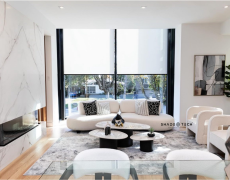
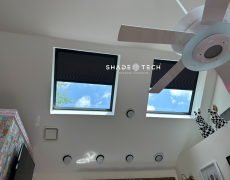
Solar roller shades are often the strongest choice for rooms where glare control and view preservation are equally important. Their woven performance fabrics filter direct sun and reduce screen reflections while allowing outward visibility during daylight hours. They create a clean architectural look that works especially well on large windows, sliding doors, offices, and contemporary living spaces.
The openness factor is the key specification. A lower openness percentage has a tighter weave, which blocks more light and provides stronger glare control. A higher openness percentage preserves a clearer view but admits more light. There is no universal right answer. A media room may need a tighter fabric, while a breakfast area with a backyard view may benefit from a more open weave.
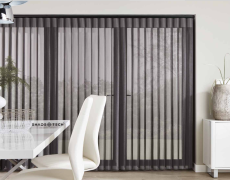
Dark fabrics often provide better outward visibility during the day because they reduce interior reflection. Lighter fabrics can brighten the room and complement a softer interior palette, but they may not deliver the same view-through effect. A professional consultation helps balance performance with the finished appearance of the room.
Dual shades for changing light conditions
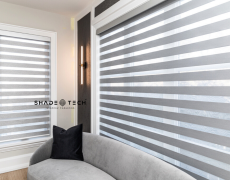
A single shade fabric cannot always handle every moment of the day. Dual roller shade systems pair a solar shade with a room-darkening or blackout shade in one tailored installation. During daylight hours, the solar layer manages glare and heat while retaining the view. At night, or when a presentation or movie calls for more control, the second layer closes.
This is a practical choice for multipurpose rooms, bedrooms with strong morning sun, conference rooms, and homes where the same windows serve work, entertaining, and relaxation. It also avoids the visual clutter of combining off-the-shelf coverings that were never designed to operate together.
Sheer shades for softened, polished light
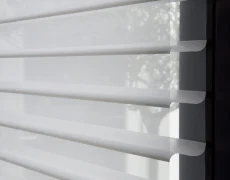
Sheer shades use fabric vanes suspended between sheer panels to diffuse sunlight while giving you adjustable control over incoming light. They are particularly effective in formal living rooms, dining rooms, and spaces where the goal is to soften harsh sun rather than create full darkness.
When the vanes are angled, they reduce glare while maintaining a bright, refined feel. When privacy is needed, the system can close more fully. Their trade-off is that they are not the best primary choice for total blackout or the most demanding media-room glare conditions.
Interior shutters for precise directional control
Custom shutters offer a more structured approach to glare. Adjustable louvers let you tilt incoming light upward or downward, directing it away from screens, seating, and work surfaces. This makes shutters a strong option for home offices, kitchens, bathrooms, and street-facing rooms where privacy is also a priority.
Unlike many fabric treatments, shutters become a permanent architectural element. Their durability and clean lines appeal to homeowners who want a tailored finish with daily light control. However, shutters frame the window more visibly and do not preserve an unobstructed view in the same way a raised roller shade can.
Match the Shade to the Direction of the Sun
Window orientation should shape the recommendation. East-facing rooms deal with strong morning glare, often affecting bedrooms, breakfast nooks, and home offices. West-facing glass receives the most punishing afternoon exposure, making solar shades, dual shades, or exterior screens especially valuable.
South-facing windows usually receive sustained daylight throughout the day. These rooms benefit from treatments that filter light without making the home feel dim. North-facing windows often have softer light, but they can still create reflections when a bright outdoor view sits behind a television or computer monitor.
The glass itself also matters. Even high-performance windows can allow enough visible light to create glare, particularly on expansive walls of glass. Window treatments are not a substitute for quality glazing, but they provide the adaptable daily control that glass alone cannot deliver.
Motorization Makes Glare Control Consistent
The most effective shade is the one that is actually used at the right time. Motorized shades remove the friction of manually adjusting hard-to-reach windows, tall ceilings, or multiple openings across an open floor plan. Instead of reacting after the room becomes uncomfortable, you can schedule shades to lower before the afternoon sun reaches the room.
A smart shade system can operate by time of day, sunrise and sunset, room scenes, voice command, or a wall control. For example, a “watch TV” scene can lower solar shades to a glare-reducing position while leaving enough filtered daylight for the room to remain welcoming. A “good morning” scene can raise bedroom shades gradually rather than opening them all at once.
Compatibility with Alexa, Google Home, Apple HomeKit, and Matter-enabled systems is particularly useful when shades are part of a broader smart-home plan. The technology should support the room, not create another app to manage. Professional setup ensures the controls, limits, grouping, and schedules work reliably from day one.
Do Not Overlook Exterior Glare and Heat
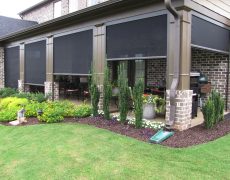
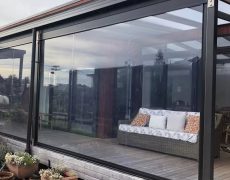
When sunlight is intense, stopping it before it reaches the glass can provide the greatest comfort benefit. Exterior solar screens and outdoor shading systems reduce solar exposure on patios, covered outdoor kitchens, restaurant seating, and sun-facing commercial facades. They can cut glare for people indoors while also making exterior spaces more usable.
For a Dallas-area patio, this can mean the difference between a space that looks good in photos and one that remains comfortable for dinner or weekend entertaining. Exterior solutions need materials and installation methods suited to wind, sun, and frequent use. The right system should feel integrated with the architecture, not like an afterthought attached to it.
Details That Determine Whether a Shade Actually Performs
A glare-control treatment is only as good as its fit. Light gaps at the sides of a shade can be distracting in a media room. Incorrect mounting can leave too much exposed glass. A fabric chosen only for color may underperform against a bright western exposure.
This is why custom measurement and local installation matter. The installer can account for window depth, trim, handle clearance, uneven openings, ceiling height, furniture placement, and the path of the sun through the room. For motorized systems, professional installation also protects the clean look of the finished space by properly planning power, battery options, wiring, and control placement.
ShadeoTech manufactures and installs custom solutions locally in Texas, combining factory-direct value with the detailed fitting and smart-home configuration that glare-sensitive spaces require. That approach is especially useful when a home has oversized windows, multiple shade types, or automation needs that deserve more than a standard retail solution.
The most comfortable rooms do not fight daylight. They shape it. Choose a treatment that fits the exposure, the view, and the way the space is used, then let automation handle the moments when the Texas sun becomes too much.
