




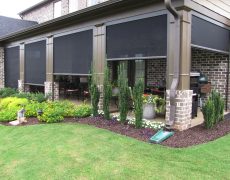




A west-facing Dallas patio can become unusable long before dinner begins. Sun glare cuts across the seating area, heat collects under the roofline, and insects arrive just as the temperature becomes pleasant. Zip screen shades are designed for precisely this kind of opening: large exterior spaces that need dependable solar control without giving up the view, airflow, or architectural clean lines.
Unlike a conventional outdoor roller shade, a zip screen system holds its fabric inside side channels. That guided design keeps the screen tensioned, reduces edge gaps, and helps it perform reliably across wide openings and changing North Texas weather. For homeowners, restaurants, clinics, and builders, the result is a more comfortable, more polished outdoor environment that can be controlled at the touch of a button.
How Zip Screen Shades Work
The name refers to the zipper-like edge welded into each side of the screen fabric. As the shade lowers, that edge travels within engineered side tracks mounted to the opening. The fabric does not simply hang from a roller tube. It is guided from top to bottom, which gives the system its clean appearance and much of its performance advantage.
A custom system typically includes a protective housing at the top, side tracks, a weighted bottom bar, and performance-rated screen fabric. The housing conceals the roller and protects the fabric when the shade is raised. Side tracks can be surface-mounted on an existing patio structure or integrated into a new build, depending on the architecture and installation conditions.
This construction matters when a patio opening is wide, tall, or exposed. Traditional exterior shades can move in the breeze and leave open edges that admit low-angle sun and insects. A properly measured zip system creates a more controlled enclosure while retaining the light, visibility, and ventilation that make an outdoor room enjoyable.
What They Solve in North Texas
Dallas-Fort Worth homes often feature deep covered patios, folding glass walls, tall windows, and open outdoor kitchens. Those features create dramatic living spaces, but they also create large surfaces for solar heat gain. Exterior shading stops much of that solar energy before it reaches the glass or occupied space, making it a practical complement to interior shades and high-performance windows.
The right fabric can reduce harsh glare and UV exposure while preserving an outward view. This is especially valuable around pools, outdoor dining areas, media rooms with large glass walls, and home offices where afternoon sun can make screens difficult to see. Furniture, flooring, artwork, and exterior finishes also receive meaningful protection from fading.
Insect control is another major consideration. A zip-guided screen is not a replacement for a fully framed, code-specific porch enclosure, but it can substantially reduce the open paths that mosquitoes and flying insects use. For many patios, that difference is what turns an occasionally used space into a daily living area.
Privacy is more nuanced. Darker screen fabrics generally offer a clearer daytime view looking outward, while lighter colors can soften the visual impact from the exterior. At night, however, interior or patio lighting can reverse the effect, making the inside more visible. If nighttime privacy is the priority, fabric openness, color, and the direction of lighting should be discussed during design rather than treated as an afterthought.
Choosing Fabric Openness and Color
Screen fabric is not a one-size-fits-all decision. Openness factor describes how much of the fabric is open space. A more open weave preserves visibility and airflow but admits more light. A tighter weave provides stronger glare reduction, greater daytime privacy, and more insect resistance, though it can slightly reduce the view and brightness.
For a patio with a protected garden view, a more open fabric may be the right choice. For a west-facing outdoor kitchen that receives punishing late-day sun, a tighter solar screen is often worth the trade-off. Color also changes performance and appearance. Dark fabrics tend to improve outward visibility during the day, while lighter fabrics can better coordinate with a light stone façade or trim.
The goal is not to make every opening as dark as possible. It is to specify a fabric that fits how the space is used. A restaurant patio needs guest comfort and a refined exterior appearance. A medical clinic may need reduced glare and a calmer waiting-area environment. A homeowner may prioritize sunset views, poolside privacy, or protection for an outdoor television.
Motorized Operation Makes Large Screens Practical
Manual operation can work for smaller, easily reached shades, but motorization is often the better fit for large exterior openings. A motorized system keeps operation consistent, makes daily use effortless, and avoids the inconvenience of walking from opening to opening before a storm or during intense afternoon sun.
Motorized zip screen shades can be controlled by wall switch, handheld remote, smartphone app, or smart-home platform, depending on the motor and control package selected. Integration with Alexa, Google Home, Apple HomeKit, and Matter-capable ecosystems can make the shades part of a broader home routine. A patio screen can lower with an evening lighting scene, raise when the pool area is in use, or respond to a scheduled sun-control routine.
Automation should be designed around practical habits, not novelty. Scheduled lowering before late-afternoon heat arrives can reduce discomfort before anyone steps outside. Wind, sun, and temperature sensors may also be appropriate in exposed installations, although every site requires its own assessment. Screens are designed for specific operating conditions, and they should be raised when severe weather is expected unless the system and site specifications state otherwise.
Custom Measurement Is the Difference
Exterior shades have little tolerance for guesswork. Patio posts may not be perfectly square. Brick, stucco, steel, wood, and stone each require different mounting strategies. Drainage paths, soffits, lighting, ceiling fans, door swings, and outdoor kitchens can all affect the final configuration.
That is why professional site measurement matters. The installer needs to confirm opening dimensions, track placement, mounting substrate, power access, fabric clearance, and bottom-bar landing points before manufacturing begins. On a new construction project, early coordination with the builder can allow housings and wiring to be planned into the structure rather than added later as visible compromises.
ShadeoTech manufactures custom shade solutions locally in Carrollton, allowing the team to connect field measurements directly to production and installation. That factory-to-installation approach is particularly valuable for oversized openings and modern homes where a generic, off-the-shelf screen will not deliver the intended fit or finish.
Where Zip Screens Make the Most Sense
Covered patios are the most common application, but the systems are useful well beyond a backyard living area. They can shade exterior-facing glass walls, covered balconies, cabanas, pergolas, storefronts, hospitality patios, and commercial waiting areas. Contractors and builders also use them to give a new project a finished outdoor-living feature rather than leaving sun control for the owner to solve later.
They are especially effective where a fixed wall would feel too permanent or would block a valued view. When raised, the screen disappears into its top housing and returns the opening to its original function. When lowered, it creates a defined, comfortable zone without requiring a major structural enclosure.
There are limits. Zip screens are solar and insect-control systems, not hurricane shutters, security barriers, or insulated walls. They will reduce wind and blowing debris, but they do not make an exposed patio climate-controlled in every season. The best results come from combining the screens with adequate roof coverage, thoughtful ceiling fan placement, and, when appropriate, outdoor heating or cooling strategies.
Plan for the Way You Actually Live
Before selecting a system, stand in the space at the time of day it is hardest to use. Notice where the glare enters, how wind moves through the opening, whether neighboring sightlines matter, and which doors must remain accessible. Those details tell you more than a product brochure can.
A well-designed zip screen system should feel like part of the architecture, not an accessory added after the fact. When fabric, tracks, housing, power, and automation are specified around the opening, the payoff is simple: your patio, glass wall, or commercial outdoor area stays available when North Texas sun would otherwise send everyone inside.
