

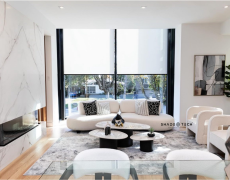
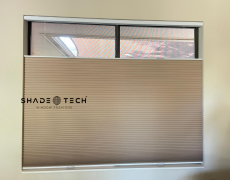

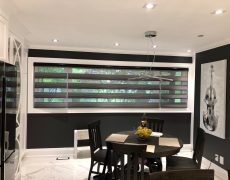
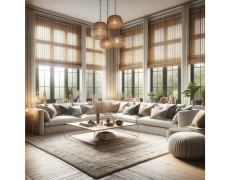
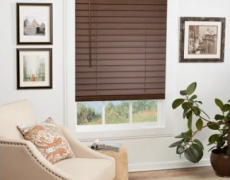
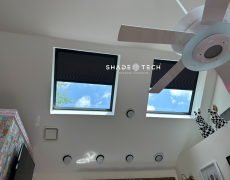


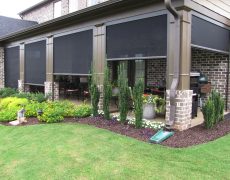

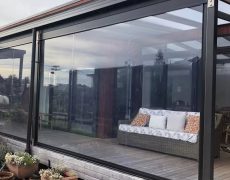



A west-facing living room in Dallas can feel comfortable at 9 a.m. and punishingly bright by midafternoon. The challenge is not simply blocking the sun. It is controlling glare, preserving the view, protecting furnishings from UV exposure, and keeping the room usable without closing off every bit of natural light. Zebra shades are designed for exactly that kind of control.
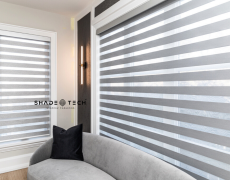
Also called dual shades or transitional shades, zebra shades combine clean contemporary style with practical light management. Their alternating bands of sheer and opaque fabric let homeowners shift between softly filtered daylight, a more private setting, and full coverage without changing the shade itself. For North Texas homes with expansive glass, open floor plans, and intense sun exposure, that flexibility makes a meaningful difference every day.
How zebra shades control light and privacy
A zebra shade uses one continuous loop of fabric that moves through a roller system. The fabric is constructed with alternating horizontal sheer panels and solid panels. As the material rolls, those bands align in different positions.
When the sheer bands line up, daylight enters through the translucent sections and the room keeps an open feel. When the solid bands overlap the sheer sections, the shade provides greater privacy and light reduction. Raise the shade completely when you want an unobstructed window.
That middle position is what sets zebra shades apart from conventional roller shades. A standard roller shade is typically either lowered or raised. Zebra shades give you a useful in-between setting that softens direct sun while maintaining daytime visibility and architectural openness.
The level of privacy does depend on the fabric selection, window orientation, and lighting conditions. During the day, darker exterior conditions generally allow better outward visibility through the sheer bands. At night, when interior lights are on, sheer alignment should not be treated as complete privacy. Bedrooms, bathrooms, and street-facing rooms often benefit from a more opaque fabric, a room-darkening option, or layering with drapery when privacy is the highest priority.
Why zebra shades fit Dallas-Fort Worth homes
North Texas sunlight is not a minor design consideration. It can create heat gain, glare on televisions and computer screens, fading on wood floors and upholstery, and uncomfortable hot spots near large windows. Zebra shades offer a refined way to manage those conditions without making a home feel dark or closed in.
In a bright kitchen or family room, the sheer setting can reduce harshness while retaining the daylight that makes the space inviting. In a media room or home office, shifting the solid bands into position can cut screen glare quickly. In a primary suite, room-darkening zebra fabrics can support better sleep while still giving the window a clean, tailored profile.
They are particularly effective in homes with contemporary window layouts. Large windows, tall ceilings, and minimal trim call for treatments that look intentional without adding visual weight. Zebra shades sit close to the window and present a streamlined horizontal pattern, making them a natural fit for modern interiors, new construction, renovated homes, clinics, restaurants, and professional offices.
Fabric performance matters here. Premium shade fabrics can help filter UV rays that contribute to fading, while the right openness and color can shape how much light and solar energy enter the room. No interior shade eliminates every heat-related concern, especially on unprotected west-facing glass, but a properly specified system can make a noticeably sun-exposed room more comfortable and easier to cool.
Custom measurements make the difference
Zebra shades are not a product to size casually. Their horizontal bands need to align correctly, their roller needs adequate clearance, and the finished shade has to operate cleanly across the full width of the opening. On large windows, even a small measurement or mounting error can become obvious.
Inside mounting creates a crisp, integrated appearance when the window frame is deep and square enough to accommodate the hardware. Outside mounting can be the better choice when a window lacks mounting depth, when more light coverage is needed at the edges, or when the goal is to make a smaller window appear larger. The right approach depends on the architecture, trim details, and the level of light control the room requires.
Width is only part of the equation. A custom consultation should account for window depth, sill projection, handle clearance, mullions, adjacent doors, ceiling height, and how the homeowner uses the room. A shade that looks right in a sample display may need a different fabric, mounting method, or control system in a real home.
Local manufacturing and professional installation reduce the risk of a project becoming a collection of small compromises. ShadeoTech measures, manufactures, and installs custom systems in the Dallas area, allowing the fabric, hardware, and controls to be specified as one coordinated solution rather than assembled from separate retail decisions.
Choosing the right fabric and color
The best zebra shade fabric is not always the darkest one. A darker color can offer stronger visual contrast and a more dramatic look, but it may also make a room feel visually heavier. Lighter neutrals often complement open interiors and reflect a brighter, cleaner appearance, though their performance depends on the fabric construction and opacity.
For living spaces, many homeowners choose light-filtering fabrics that preserve a sense of daylight. For bedrooms, nurseries, and spaces where sleep or privacy is the priority, room-darkening fabrics are usually the more practical selection. Keep in mind that room-darkening is different from blackout. Light can still enter around the sides of an inside-mounted shade or through gaps created by the window’s architecture. True blackout performance may require outside mounting, side channels, or a layered treatment.
Texture deserves attention as well. Zebra shade fabrics are available in subtle weaves, smooth contemporary finishes, soft linens, and more structured looks. Because the bands are visible across the window, fabric choice becomes part of the room’s design language. Ordering samples and reviewing them in the actual space is worthwhile, especially on windows with strong afternoon sun.
Motorized zebra shades add everyday convenience
Motorization is where zebra shades become especially useful. Instead of manually adjusting multiple shades across a wall of windows, homeowners can control them individually, by room, or in groups from a remote, wall control, app, or smart-home platform.
This is more than a convenience feature. Automated schedules can lower shades during peak afternoon sun, open them in the morning, and close bedroom shades at night. In rooms with hard-to-reach windows, motorization turns a treatment that might otherwise remain in one position into a system that is actually used as intended.
For Dallas homes, common automation routines include lowering west-facing shades before the hottest part of the day, opening east-facing shades after morning glare has passed, and creating a privacy scene for the evening. Integration with Alexa, Google Home, Apple HomeKit, and Matter-compatible smart-home systems can make those routines part of a larger home environment.
Battery-powered motors can be an excellent fit for many existing homes because they avoid visible wiring and simplify installation. Hardwired power is often preferable for new construction, major renovations, or large shade installations where long-term charging access would be inconvenient. Solar charging may also be an option on appropriately exposed windows. The best power choice depends on access, window count, construction conditions, and how frequently the shades will operate.
Where zebra shades work best
Zebra shades are highly versatile, but they are not automatically the right answer for every window. They perform particularly well in living rooms, kitchens, home offices, dining areas, bedrooms, clinics, and hospitality spaces where occupants need to switch between open daylight and controlled privacy.
They can be less suitable when complete darkness is non-negotiable, when a room requires maximum insulation, or when a highly decorative traditional treatment is central to the design. In those situations, cellular shades, drapery, shutters, or layered window treatments may offer a better result. The strongest projects begin with the desired outcome, not with a predetermined product.
For commercial settings, zebra shades offer a polished appearance that is easy to standardize across offices, waiting rooms, restaurants, and guest spaces. Motorized group control can also help staff manage sun exposure efficiently throughout the day without manually adjusting every window.
Care, durability, and realistic expectations
Zebra shades are relatively low-maintenance. Regular dusting with a feather duster, microfiber cloth, or low-suction vacuum brush is usually enough to keep the fabric looking clean. Avoid harsh cleaners, excessive water, and aggressive scrubbing, which can damage the fabric or affect its appearance.
Quality hardware, proper alignment, and professional installation are central to long-term performance. The shade should lift smoothly, stop at the intended positions, and hang level. Motorized systems should be commissioned carefully so limits, groups, schedules, and smart-home controls work reliably from the start.
If you are deciding between zebra shades and another treatment, stand in the room at the time of day that causes the most frustration. Notice where the glare falls, how much privacy is needed, and whether you want to see outside while the shade is down. Those answers usually point to the right fabric and control strategy more clearly than a showroom display ever can.
