

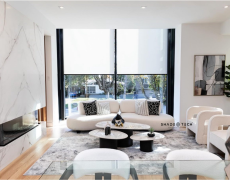
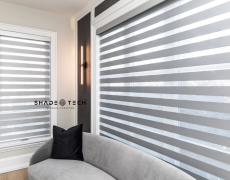
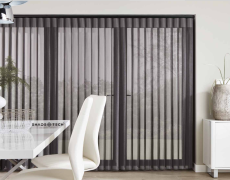

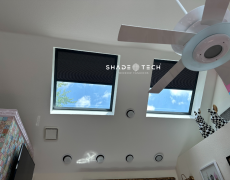


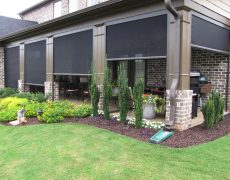

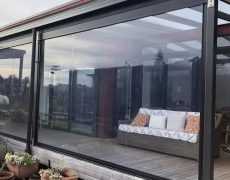



A west-facing wall of glass can turn a beautiful Dallas home into the room everyone avoids by midafternoon. Solar screens address that problem at the window, reducing direct solar exposure before it heats the glass and floods the interior with glare. The result is a more comfortable room, better protection for furnishings, and a cleaner alternative to closing heavy interior shades all day.
For North Texas homeowners, the appeal is not simply lower sunlight. It is control. The right screen material, openness factor, color, and mounting method can preserve a view and daylight while making a patio, living room, clinic waiting area, or restaurant dining room noticeably more usable.
What Solar Screens Do Differently
Solar screens are tightly woven mesh fabrics installed on the exterior or, in some applications, within an exterior-facing window system. Their primary job is to intercept a portion of the sun’s heat and visible light before it reaches the window glass. That placement matters. Once sunlight passes through glass and warms interior surfaces, the heat is much harder for an HVAC system to remove.
Unlike blackout shades, solar screen fabric is designed to maintain some outward visibility. From inside during daylight hours, occupants can generally see through the weave. From outside, the screen gives windows a uniform, tailored appearance while adding daytime privacy. At night, however, interior lights can make the view into a room more visible, so solar screens should not be treated as a complete privacy solution.
They also serve a different role than insect screens. Standard insect mesh keeps bugs out. Solar screen fabric is selected for solar performance, glare reduction, UV filtering, and visual comfort. Many homeowners use both functions in a single exterior screen application, but the material specification should match the actual goal.
Why Solar Screens Make Sense in North Texas
Dallas-Fort Worth sunlight is not a minor design consideration. Long cooling seasons, intense afternoon exposure, and large contemporary window openings can create meaningful comfort differences from one side of a home to another. South- and west-facing glass often causes the greatest issues, particularly in rooms with dark flooring, vaulted ceilings, or limited tree cover.
A properly selected solar screen can help reduce glare on televisions, computer monitors, and polished surfaces. It can also limit UV exposure that contributes to fading in hardwood floors, artwork, upholstery, and merchandise displays. While no screen eliminates all fading risk, reducing direct exposure is a practical layer of protection for high-value interiors.
The energy benefit depends on the window itself, orientation, insulation levels, thermostat habits, and screen fabric. A solar screen is not a substitute for efficient glass or a properly sized HVAC system. But on sun-exposed elevations, it can reduce the solar load that makes certain rooms run warmer than the rest of the building. That can mean fewer hot spots and less pressure on air conditioning during peak hours.
For commercial settings, the benefit is often operational as much as aesthetic. Clinics need waiting rooms that do not feel harsh or overheated. Restaurants want sun control without hiding the patio or storefront. Builders and contractors need exterior shading options that complement modern facades rather than interrupt them with an afterthought.
Choosing the Right Openness Factor
The most important solar screen specification is often the openness factor. This refers to the percentage of open area in the fabric weave. A lower openness percentage has a tighter weave, which generally blocks more sun and offers more privacy. A higher openness percentage allows more daylight and a clearer outward view.
A 1% or 3% fabric is commonly chosen for strong glare control and added daytime privacy. It is useful for highly exposed windows, media rooms, or commercial spaces where visual comfort takes priority over view clarity. The trade-off is a darker appearance from inside and a less open view.
A 5% fabric is a versatile middle ground for many Dallas homes. It filters substantial sunlight while retaining a more natural connection to the outdoors. For expansive living-room windows and patios, it often delivers the balance homeowners expect from a premium solar screen system.
A 10% fabric has a more open weave and a clearer view, but it provides less solar control and privacy. It can work well where landscaping, roof overhangs, or the orientation already moderate the sun. The best choice is not always the darkest option. It is the fabric that solves the room’s actual exposure problem without making the space feel closed in.
Screen Color Affects the View and the Exterior
Fabric color influences both performance perception and curb appeal. Darker solar screen fabrics usually provide a sharper outward view because they absorb more light and reduce reflections. They can be particularly effective when the priority is looking out toward a pool, landscape, or skyline.
Lighter colors may complement a lighter exterior palette and can feel less visually prominent from the street. However, they may reflect more light and create a softer view outward. Frame color matters too. A custom system should align with window trim, stucco, brick, metal finishes, and the architectural lines of the home.
This is where sample review is valuable. A fabric that looks subtle in a showroom can appear much darker across a full wall of glass. Evaluating it at the actual window, at different times of day, gives a more accurate picture of the result.
Fixed, Retractable, or Motorized Solar Screens?
Fixed exterior solar screens are a strong choice for windows that receive consistent sun. They are low-profile, durable, and always in position. They work especially well on upper-story windows, side elevations, and rooms where glare and heat are daily concerns.
Retractable screens offer more flexibility. They can remain discreet when not needed, then lower to manage afternoon sun, wind-blown insects, or reduced privacy on patios and large openings. This format is often preferred for covered outdoor living areas, folding doors, and spaces where homeowners want an unobstructed look at certain times.
Motorized exterior screens add convenience where manual operation would be impractical. With smart-home integration, they can follow schedules, respond to a voice command, or lower automatically during the most intense hours of the day. A west-facing screen can deploy before the afternoon heat builds, then raise after sunset to restore an open view.
Automation is most useful when it is designed around real daily patterns. A screen that is difficult to reach or requires constant manual adjustment is less likely to be used consistently. For large glass walls and high openings, motorization turns solar control from a chore into a reliable part of the home’s comfort strategy.
Installation Quality Determines Long-Term Performance
Exterior shading systems live in demanding conditions. Texas heat, wind, rain, and seasonal debris place real demands on fabric, frames, fasteners, tracks, and motors. Precision measurement is essential because even small gaps can affect appearance, light control, and insect protection on patio applications.
Professional installation also accounts for mounting surface, drainage paths, door clearances, exterior outlets, and the location of smart controls. On retractable systems, proper tension and track alignment help the screen operate smoothly and stay secure. A custom installation should look integrated with the structure, not added on after the fact.
ShadeoTech manufactures and installs custom screen solutions locally in Carrollton, allowing the screen dimensions, fabric selection, frame finish, and automation details to be coordinated as one project. That factory-direct approach is particularly valuable for oversized windows and contemporary openings that do not fit off-the-shelf dimensions.
Care and Expectations
Solar screens are relatively low maintenance, but they are not maintenance-free. Periodic rinsing with clean water and gentle cleaning removes dust and pollen. Avoid abrasive brushes, harsh chemicals, or pressure washing at close range, which can damage fabric coatings or affect the screen’s tension.
It is also wise to set realistic expectations. Solar screens can significantly improve glare, heat gain, and daytime comfort, but they do not make untreated single-pane glass perform like a new high-performance window. They also do not replace interior shades where nighttime privacy, room darkening, or decorative softness is needed. Many well-designed homes use exterior solar screens for heat control and interior motorized shades for privacy and finishing detail.
The most successful project starts with the windows you avoid at 4 p.m. Measure the problem first: where the sun enters, when it becomes uncomfortable, what view you want to retain, and how you want the screen to operate. Those answers lead to a solar screen system that earns its place every sunny day.
