

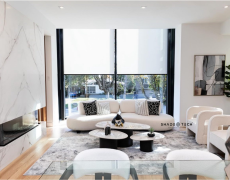
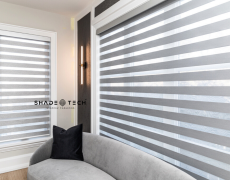
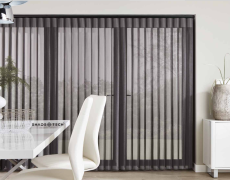
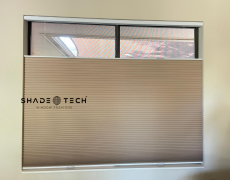

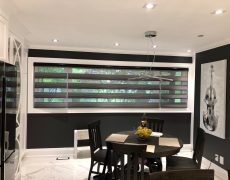
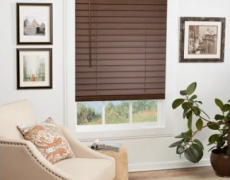






A west-facing living room in Dallas can go from bright and inviting to uncomfortably hot before lunch. Smart home window treatments turn that daily problem into an automated response: shades lower when the sun reaches the glass, raise for an evening view, and follow the routines already built into your home.
For homeowners who have invested in large windows, open-concept layouts, and connected technology, motorized shades are not simply a convenience feature. They are a precise way to manage heat, glare, privacy, and UV exposure without asking anyone to walk from room to room adjusting cords or manually operating hard-to-reach coverings.
What Smart Home Window Treatments Actually Do
Smart window treatments combine custom blinds, shades, drapery tracks, shutters, or exterior screens with a motor and a control system. The motor can be operated from a wall control, remote, smartphone app, voice assistant, or pre-programmed schedule. The right system can also respond to sunrise and sunset times, room scenes, occupancy, or smart-home triggers.
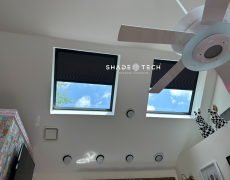
The practical value is control that happens at the right moment. A bedroom shade can open gradually in the morning rather than lifting all at once. Solar shades in a home office can lower during peak glare hours while preserving an outward view. In a two-story foyer, motorization makes an otherwise inconvenient window covering useful every day.
Automation is especially valuable in North Texas, where direct sun can raise room temperatures quickly and fade flooring, furnishings, and artwork over time. Properly specified fabrics and shade openness levels help control the light entering the room, while scheduled operation reduces the tendency to leave shades open when the house is empty.
The Best Smart Shade Is Chosen for the Window First
Technology matters, but it cannot correct a poorly matched product. The best smart home window treatments start with how each window performs and how the room is used.
A solar roller shade is often an excellent fit for a bright great room, kitchen, or office where glare control and daytime visibility matter. Its woven fabric filters harsh sunlight while maintaining a clean, minimal profile. The openness factor makes a meaningful difference: a more open weave preserves a clearer view but allows more light through, while a tighter weave provides greater glare and privacy control.
For bedrooms, media rooms, and nurseries, blackout shades or room-darkening layered systems are usually the better choice. True darkness often requires more than blackout fabric. Side gaps, top gaps, and the shape of the window all affect light leakage, so the mounting method and hardware selection deserve as much attention as the material.
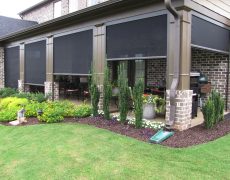
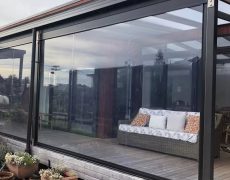
Wood and composite shutters bring a more architectural look and can be a strong option when homeowners want adjustable light control with a permanent, tailored appearance. Motorized drapery tracks suit formal spaces, expansive glass walls, and contemporary homes where fabric adds warmth and scale. Exterior motorized screens can protect patios and outdoor kitchens from afternoon sun, insects, and windblown debris while extending the usable season of the space.
There is no universal “best” choice. A sleek solar shade may be perfect in a sunlit living area but inappropriate for a primary bedroom that needs privacy after dark. A professional plan considers the window orientation, ceiling height, trim depth, view, furnishings, privacy requirements, and the way the space is occupied.
Power Planning Determines Long-Term Convenience
Every motorized treatment needs a reliable power strategy. Battery-powered systems are popular for existing homes because installation can be less invasive. Modern rechargeable battery options are capable and clean-looking, particularly for standard-size windows with moderate use. The trade-off is that batteries eventually need charging or replacement.
Hardwired motors are often the preferred solution for new construction, major renovations, and large or heavily used treatments. They eliminate battery maintenance and support a particularly polished installation, but electrical planning must happen early. For high windows, multi-shade walls, or commercial projects, hardwiring can be well worth the coordination.
Solar charging options can reduce charging needs in suitable locations, although they are not the answer for every window. A shade installed in a deeply shaded room or behind certain glass configurations may not receive enough consistent light. This is why a site-specific consultation matters more than selecting a motor from a product list.
Smart-Home Compatibility Should Be Deliberate
A connected shade system should work with the technology homeowners actually use, not force them into another isolated app. Depending on the selected motor and control platform, smart treatments can integrate with Alexa, Google Home, Apple HomeKit, and Matter-enabled smart-home systems.
Voice commands are useful, but scenes are where automation becomes more natural. A “Good Morning” scene might raise bedroom shades, open the kitchen shade halfway, and leave west-facing shades lowered until the sun angle changes. A “Movie” scene can close room-darkening shades, dim lighting, and lower a motorized projection screen. A “Leaving Home” scene can move selected treatments into positions that protect interiors without making the home look closed off.
Compatibility is not identical across every brand, motor, or hub. Some features require a dedicated bridge, while others depend on the existing control system in the house. Wi-Fi coverage also matters. A beautiful installation can feel unreliable if the home network is weak in the area where smart devices communicate. Confirming the intended control method before ordering avoids unnecessary compromises later.
Custom Fit Is a Performance Feature
Motorization makes a window covering easier to operate. Custom manufacturing makes it look right and perform correctly. This distinction is most visible on oversized windows, angled openings, corner glass, tall ceilings, and sliding doors, all common in newer Dallas-Fort Worth homes.
Precision measurement determines whether a shade clears a handle, aligns with adjacent treatments, and blocks light where it should. Fabric selection affects more than color. It influences glare reduction, outward visibility, privacy, heat control, and the way a room appears throughout the day. Hardware finish, fascia style, hem bar design, and mounting position all shape the final result.
At ShadeoTech, local manufacturing in Carrollton gives the process a practical advantage. Treatments can be built around actual window conditions, then installed and configured by a team that understands both the product and the automation. That factory-direct model also avoids the extra retail layers that often add cost without improving the finished installation.
Smart Shades for Commercial and Hospitality Spaces
The same principles apply beyond the home, but the priorities shift. A medical clinic may need privacy, glare reduction, easy cleaning, and dependable daily operation. A restaurant may need solar control at its street-facing windows without losing the atmosphere created by natural light. Offices benefit from shades that reduce screen glare and solar heat gain across a full workday.
Commercial projects often require coordinated control across many openings, durable materials, and programming that staff can use without training manuals. Timed schedules can prepare a space before opening, while centralized controls help managers adjust an entire zone quickly. For builders and contractors, planning motorized treatments alongside electrical, trim, lighting, and automation work protects both the design intent and the installation timeline.
Questions to Settle Before You Order
Before selecting a smart shade system, decide what problem it needs to solve first. Is the priority heat, glare, privacy, blackout performance, convenience, or a cleaner architectural look? The answer guides every later decision, from fabric to motor power.
It also helps to identify the control experience you want. A remote may be enough for a guest room, while a primary living space may benefit from app control, voice commands, scheduled movement, and integration with lighting or a broader home automation platform. Finally, consider service access. Products installed twenty feet above a floor need a power and maintenance plan that will remain practical years from now.
The most successful projects do not treat smart shades as a gadget added after the room is finished. They treat them as part of the home’s comfort system, designed around the light, heat, architecture, and routines that make the space uniquely yours. Start with the windows that cause the most frustration, and let the right custom solution make those rooms more comfortable every day.
