

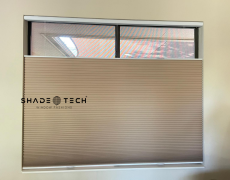

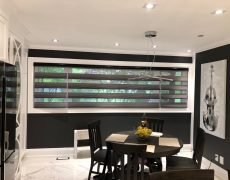
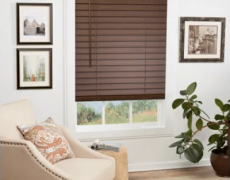






A west-facing classroom at 2:30 p.m. can tell you exactly why school window shades matter. Students shift away from bright desks, teachers lower projector brightness, and an HVAC system works harder against solar heat pouring through the glass. A well-specified shade system turns that daily disruption into a controlled environment – without making the room feel closed in.
For Dallas-Fort Worth schools, the decision is not simply about covering windows. It is about managing glare, heat gain, privacy, safety, and daily wear in buildings that must function reliably for years. The right solution should support learning and operations at the same time.
What School Window Shades Need to Do
Classroom shades serve a different purpose than residential window coverings. They need to perform consistently across long school days, withstand frequent use, and suit a wide range of spaces, from early-learning rooms and libraries to science labs, cafeterias, administrative offices, and gymnasium windows.
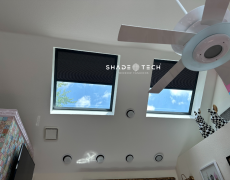
The first priority is glare control. Interactive displays, projectors, computer screens, and daylight all compete for visual attention. When sunlight lands directly on a whiteboard or screen, a teacher loses usable teaching space. Solar roller shades can filter harsh light while preserving an outward view, which is often preferable to making a classroom dark during every presentation.
Heat control follows closely behind. North Texas sun can create substantial heat gain through large glass areas, especially on south- and west-facing elevations. Shades with an appropriate openness factor and reflective backing can reduce solar impact before it affects room comfort. That can ease the burden on HVAC equipment, particularly in older campuses where cooling systems already face demanding conditions.
Privacy and security also deserve careful consideration. Ground-floor classrooms, counseling offices, nurses’ suites, special education spaces, and administration areas may need limited visibility from outdoors. A dual-shade system can be especially effective here: a solar shade handles daytime glare and heat, while a room-darkening shade provides privacy or presentation control when needed.
Choosing School Window Shades by Room Type
One shade fabric and one control method rarely fit an entire campus. A better specification begins with how each room is used, which direction its windows face, and who will operate the shades.
Classrooms and Learning Labs
For most classrooms, solar roller shades provide the strongest balance of daylight management and durability. Openness factors commonly range from 1% to 5%, but the best choice depends on exposure and instructional needs. A lower openness factor offers more glare reduction and privacy, while a higher factor allows more view-through and natural light.
Rooms used for video, presentations, or testing may require blackout-capable roller shades. True room darkening depends on more than fabric. Light can still enter around the sides, top, and bottom of a standard roller shade. Side channels, cassette systems, and careful measurement make a meaningful difference when projection quality or complete visual control is required.
Libraries, Media Centers, and Multipurpose Rooms
These spaces often change function throughout the day. They may host reading groups in the morning, staff meetings after lunch, and audiovisual presentations in the afternoon. Motorized dual shades give staff practical flexibility: filtered light for regular use, then a second blackout layer for screen-based events.
Motorization is particularly valuable for large banks of windows and high clerestory glass. It eliminates the need for staff to pull chains or operate multiple manual units while a room is occupied. With programmed presets, a single command can prepare the room for a presentation, reduce afternoon heat, or open shades at the start of the day.
Offices, Clinics, and Student Support Spaces
Counseling offices, school clinics, reception areas, and conference rooms need a more privacy-focused approach. Light-filtering fabrics create a polished appearance and soften daylight, but they may not provide enough privacy after dark when interior lights are on. Pairing solar shades with blackout or privacy roller shades provides better control where confidentiality matters.
For medical clinics and similar commercial settings, cleanable materials and enclosed shade hardware can also be worth specifying. The goal is a professional finish that supports routine cleaning without creating unnecessary maintenance points.
Cafeterias, Gyms, and Large Common Areas
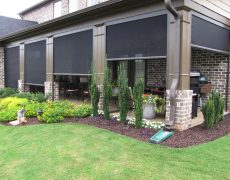
Large common spaces often have tall windows, broad openings, and significant sun exposure. Manual shades can be impractical at this scale. Commercial-grade motorized roller shades are easier to manage, create a more uniform appearance, and allow facility teams to respond quickly to changing conditions.
Fabric selection is critical in these high-traffic spaces. Commercial-rated fabrics, durable hardware, and properly sized motors matter more than a low initial price. A shade that sags, binds, or fails early becomes an operational problem, not a cosmetic one.
Manual or Motorized Shade Systems?
Manual roller shades remain a sensible choice for small offices, limited-budget projects, or windows that staff can easily reach. They are straightforward, cost-effective, and dependable when paired with quality clutches and commercial-grade components.
Motorized shades make more sense when windows are tall, numerous, difficult to access, or regularly adjusted for instruction and comfort. They can be controlled by wall switches, handheld remotes, scheduled automation, or building-control systems. For a new school, wiring shades during construction may be the cleanest long-term option. For a renovation, battery-powered or low-voltage solutions can reduce disruption, depending on the window layout and access to power.
Smart controls should be selected for practical reasons, not simply because automation is available. A schedule that lowers west-facing shades before afternoon sun arrives can improve comfort without asking teachers to manage it. Centralized controls can help facilities teams set consistent shade positions across a wing or campus. In areas where teachers need local authority, wall controls should be intuitive and clearly labeled.
The trade-off is upfront cost and system planning. Motorization adds investment, and a poorly designed control system can frustrate staff. The strongest installations combine dependable motors, straightforward controls, professional commissioning, and a clear handoff to the people who will use the system every day.
Fabric, Hardware, and Safety Are Specification Decisions
A school shade system should be evaluated as a complete assembly, not just a fabric sample. Fabric color affects visible light, glare, and the building’s interior character. Darker fabrics often preserve exterior views more effectively during the day, while lighter fabrics can reflect more light and heat. Neither is universally better. Window orientation, screen use, exterior surroundings, and architectural finishes should guide the selection.
Hardware needs to match the width, height, and frequency of operation. Oversized windows may require reinforced roller tubes and properly calculated motor capacity. Fascias and cassette valances protect the roller mechanism, give installations a finished appearance, and can reduce dust accumulation. In classrooms and public areas, exposed hardware should be selected and installed with durability in mind.
Safety should be nonnegotiable. Cordless and motorized systems remove many of the risks associated with accessible looped cords. Where manual controls are used, commercial safety hardware and code-conscious installation are essential. Professional measurement also prevents the small gaps, uneven rolls, and clearance issues that can undermine performance.
Plan Window Shades Early in School Projects
The best time to address school shades is during design development, not after occupants begin reporting glare complaints. Architects, general contractors, interior designers, and facility leaders should coordinate shading with glazing specifications, electrical plans, ceiling conditions, HVAC diffusers, millwork, and audiovisual equipment.
Early planning is especially important for motorized projects. Power locations, wiring paths, control zones, and access panels should be determined before finishes are complete. It is also the right time to decide whether shades will operate independently, by room, by elevation, or from a central system.
For renovation projects, a site assessment provides the same clarity. Precise field measurements reveal mounting constraints, out-of-square openings, window handle conflicts, and conditions that drawings may not show. Local manufacturing and installation can shorten the feedback loop when a project requires custom sizing, coordinated fabrics, and an installation schedule that respects campus operations.
ShadeoTech brings this factory-direct approach to North Texas commercial projects, from field measurement and custom fabrication to professional installation and motorized control setup. That single point of responsibility helps contractors and facility teams avoid the gaps that can occur when products, installation, and automation are handled by separate vendors.
A Better Starting Point for Campus Comfort
Before choosing a fabric or requesting a bid, walk the building at the times when sunlight creates the most disruption. Note which rooms lose screen visibility, where temperatures rise, which windows need privacy, and which shade locations are difficult for staff to reach. Those observations turn a generic window-covering purchase into a performance plan – one that gives students, teachers, and facilities teams a more comfortable place to do their work.
