

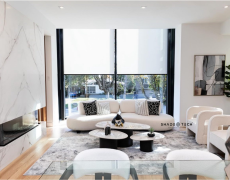
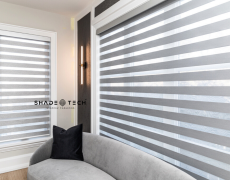
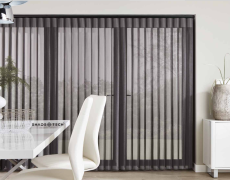
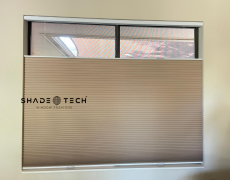

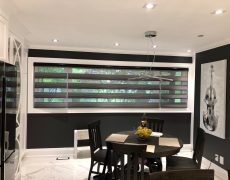
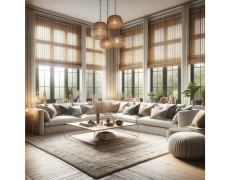
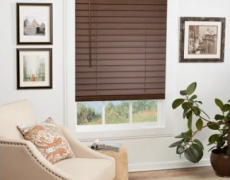
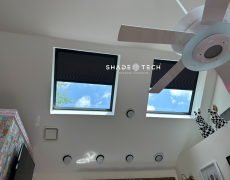


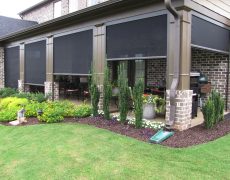

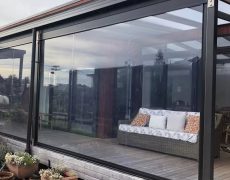



A west-facing living room in Dallas can look beautiful at 8 a.m. and feel impossible by 4 p.m. when direct sun heats the glass, fades furnishings, and turns screen glare into a daily annoyance. Roman shades solve that problem with a softer, more tailored look than many hard window coverings, but their performance depends on the fabric, lining, lift system, and installation behind the finished design.
For homes with expansive windows, high ceilings, and strong North Texas sun exposure, Roman shades should be selected as an architectural layer, not simply a decorative fabric panel. The right system can control glare, protect interiors, improve comfort, and operate on a schedule that fits how the room is actually used.
What Roman Shades Do Best
Roman shades are fabric window coverings that raise into horizontal folds when opened and hang flat or softly structured when lowered. Their appeal is straightforward: they introduce texture and warmth without the visual weight of full drapery. In a modern Dallas home, that can mean linen-inspired fabric softening a wall of glass, or a clean, flat-front shade bringing order to a bedroom, study, or breakfast area.
They also perform well in spaces where adjustable light control matters. A lowered shade can diffuse harsh afternoon light while preserving a composed, finished appearance. With the right opacity and lining, it can also improve privacy after dark and reduce UV exposure on wood floors, artwork, upholstery, and rugs.
That said, Roman shades are not automatically the best choice for every window. A room that needs a clear exterior view throughout the day may be better served by roller shades. A bathroom or heavily used kitchen may call for moisture-resistant materials that are easier to wipe down. The advantage of a custom consultation is matching the shade style to the room’s demands rather than forcing one treatment across the entire house.
Choosing Roman Shades for Light and Heat Control
Fabric selection does much of the work. Sheer and light-filtering fabrics soften daylight and reduce glare, but they will not create bedroom-level darkness or provide the strongest heat-management benefit. They are often an excellent fit for living rooms, dining rooms, offices, and commercial spaces where natural light remains part of the design goal.
Room-darkening and blackout constructions provide a more decisive barrier. These are practical for bedrooms, media rooms, nurseries, medical treatment rooms, and hospitality environments where privacy or light restriction is nonnegotiable. A blackout fabric or lining is particularly useful in Dallas homes where early sunrise and street lighting can affect sleep.
Heat control is more nuanced. A dark, unlined decorative fabric may look dramatic but can absorb solar energy at the window. A properly selected lining, especially on sun-exposed elevations, helps create a more effective thermal layer and protects the face fabric from UV wear. The shade still cannot replace high-performance glass or insulation, but it can reduce the intensity of solar heat gain and make a room more comfortable during peak afternoon hours.
For large glass walls, consider whether one large shade or multiple coordinated shades makes more sense. A single oversized treatment creates a clean visual field, but it can be heavier, more complex to operate, and less flexible for controlling light across separate sections of the room. Dividing the opening into aligned individual shades often gives better control and a more reliable long-term result.
Flat, Relaxed, or Structured Folds?
The front profile changes the personality of the room. Flat Roman shades have a crisp, tailored face and work naturally with contemporary interiors, offices, and clean-lined kitchens. Relaxed styles introduce a gentle curve along the bottom, creating a more traditional or transitional feel. Structured fold styles add dimension when the shade is raised and can bring a more decorative presence to a primary bedroom or formal dining space.
The best choice is not only aesthetic. Busy patterns and highly textured fabrics can make fold lines more noticeable, while a flatter style may better suit a bold print. For homes with minimalist architecture, a simple flat panel in a refined woven fabric often delivers the strongest result.
Why Custom Measurement Matters
Roman shades are less forgiving of poor measurements than they appear. A shade that is too narrow can leak light and look undersized. One that is too wide may interfere with trim, handles, or adjacent treatments. On an inside mount, even slight variations in window depth or an out-of-square opening can affect how the finished shade sits.
Outside mounts solve some clearance and light-gap issues, especially when windows have shallow depth. They can also make a smaller window appear larger. However, they require thoughtful placement so the headrail, fabric stack, and mounting hardware do not conflict with crown molding, doors, or architectural details.
Professional measurement also addresses the practical details homeowners may not see at first: the stack height when shades are raised, fabric clearance around crank handles, mounting strength for motorized systems, and alignment across a row of windows. These details matter even more in tall rooms where a small inconsistency becomes visible from across the space.
For builders, designers, restaurants, and clinics, consistency is equally important. Repeated window bays need uniform fabric direction, fold spacing, bracket placement, and control behavior. Custom manufacturing and professional installation help keep a multi-window project looking intentional rather than assembled piece by piece.
Motorized Roman Shades Make Daily Comfort Automatic
Motorization is one of the most useful upgrades for Roman shades, particularly on large, high, or frequently adjusted windows. Instead of reaching behind furniture or using cords, homeowners can raise or lower shades with a remote, wall control, app, or voice command. The visual benefit is just as meaningful: motorized shades eliminate dangling cords and preserve the clean face of the treatment.
Automation makes the system work when no one is thinking about it. In a sun-facing room, shades can lower during the hottest part of the afternoon to reduce glare and protect interiors, then raise later to restore the view. In bedrooms, a morning schedule can open shades gradually. In commercial settings, grouped controls can simplify daily opening and closing routines for staff.
Compatibility should be planned early. A well-designed motorized shade system can be integrated with Alexa, Google Home, Apple HomeKit, or Matter-enabled smart-home platforms, depending on the selected controls and home ecosystem. The goal is reliable use, not adding another app that no one remembers to open.
Battery-powered motors are often a strong option for finished homes because they minimize wiring work. Hardwired power is worth considering during new construction or major remodeling, especially for numerous shades or hard-to-reach windows. It reduces future charging needs and gives the project a more permanent infrastructure. The right answer depends on window access, project scope, and how often the shades will operate.
Fabric, Privacy, and Care in Real Homes
A premium Roman shade should look good from both inside and outside, but the interior conditions drive the specification. In a family room, consider fabrics that can tolerate occasional spot cleaning and regular dusting. In a breakfast nook, avoid placing delicate fabric directly beside a splash-prone sink or heavily used cooking zone. For bathrooms, choose materials and construction suited to humidity rather than assuming every fabric shade will perform the same way.
Privacy should be evaluated after dark, not only in a daytime showroom setting. A light-filtering fabric may look private in daylight but become more transparent when interior lights are on at night. A privacy liner or room-darkening construction changes that outcome considerably.
Most Roman shades need only routine vacuuming with a soft brush attachment or gentle dusting. Harsh cleaners and excessive moisture can damage fabric, affect linings, or leave water marks. When a shade requires deeper cleaning, follow the manufacturer-specific care guidance rather than treating it like a removable curtain panel.
A Better Fit for the Window and the Way You Live
The strongest Roman shade projects begin with the room’s real priorities: preserving a view, stopping glare, creating darkness, adding privacy, or making tall windows easy to control. Design follows those answers, from the fabric and fold style to the lining, mounting method, and automation plan.
ShadeoTech designs, manufactures, measures, and installs custom window treatments locally in the Dallas area, which helps bring those decisions into one coordinated process. The result is not just a fabric treatment that photographs well, but a precisely fitted system built for daily use under North Texas sun.
Before choosing a color or pattern, stand in the room at the time of day it is hardest to use. That is when the right Roman shade solution becomes clear.
