


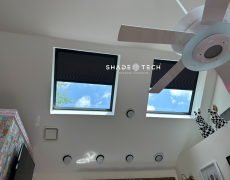


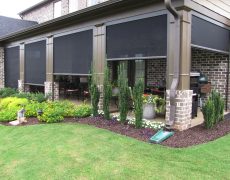

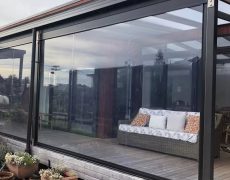



A North Texas patio can be the best room of the house until direct afternoon sun, mosquitoes, windblown debris, or a sudden temperature swing sends everyone indoors. Retractable patio screens give homeowners a more controlled way to use that space without closing it off with permanent walls. At the touch of a button, an open patio becomes a shaded, more private outdoor room designed for real Dallas-Fort Worth conditions.
What Retractable Patio Screens Change
A retractable screen system is mounted around a patio opening, covered porch, pergola, or outdoor kitchen. When deployed, the screen lowers vertically from a protective housing and locks into guided side tracks. When it is not needed, it retracts upward and preserves open views, airflow, and the architecture of the patio.
That flexibility is the point. Fixed screens solve one problem but permanently change how a space feels. Retractable systems allow a homeowner to choose the level of enclosure based on the time of day, the weather, and how the patio is being used. Open the screens for a breezy morning coffee. Lower the sun-facing side for dinner in July. Deploy all sides when insects are active or when wind is pushing dust and leaves across the patio.
For homes with large sliding doors, expansive backyard views, and contemporary covered patios, this creates a meaningful extension of the living area. The patio stays visually open when it should and performs like a protected entertainment space when conditions demand it.
Designed for Heat, Glare, and UV Exposure
Dallas summers are hard on outdoor spaces. Direct solar exposure can make a covered patio uncomfortable even when the home itself is well cooled. A quality exterior screen intercepts sunlight before it reaches the seating area, helping reduce glare and the radiant heat that builds up on flooring, furniture, and outdoor surfaces.
Screen fabric matters here. Different openness factors determine how much light, heat, and visibility pass through the material. A more open weave retains a clearer outward view and allows more natural light. A tighter weave provides stronger solar control, added privacy, and more effective glare reduction. The right choice depends on orientation, nearby homes, the depth of the patio cover, and how the space is used.
South- and west-facing patios typically need the strongest solar strategy. A screen that looks understated in the showroom can make an immediate difference when the late-day sun is hitting an outdoor dining table or reflecting off a pool. It also helps protect upholstery, rugs, wood finishes, and other exterior furnishings from ongoing UV exposure.
Exterior screens are not a substitute for a fully conditioned room, and they will not make a patio feel like the indoors during a 105-degree afternoon. They can, however, substantially improve comfort by controlling direct sun and making ceiling fans, shade structures, and evening cooling more effective.
Insect Control Without a Permanent Enclosure
Mosquitoes are one of the clearest reasons to add patio screens in North Texas, particularly near landscaping, water features, and tree-lined yards. A properly selected mesh reduces insect intrusion while still allowing air to move through the patio. For homeowners who use outdoor kitchens or host dinner outside, that can be the difference between a space that looks impressive and one people actually want to use.
Retractable insect screens also support a cleaner patio environment. They can help limit leaves, grass clippings, pollen, and airborne debris from entering a covered area. This is especially useful for outdoor lounges with upholstered seating, televisions, grills, and dining surfaces that otherwise require frequent cleanup.
There is a practical trade-off. Fine insect mesh provides better pest control, but it can modestly reduce airflow and outward visibility compared with a more open solar fabric. A custom consultation should address which benefit matters most for each opening rather than applying one screen type across the entire patio.
Privacy That Does Not Block the View All Day
Newer neighborhoods often place patios within a close sightline of neighboring homes. Retractable patio screens add useful privacy for ground-floor gathering areas, pools, and outdoor kitchens without turning the yard into a closed box.
The amount of daytime privacy varies by fabric and lighting conditions. Darker fabrics often provide a sharper view outward during the day, while lighter fabrics can deliver a softer visual effect. At night, interior or patio lighting can reverse the privacy advantage, making it easier for someone outside to see in. If nighttime privacy is a priority, fabric selection, lighting placement, and the screen’s intended use all need to be considered together.
For restaurants, clinics with outdoor waiting areas, and hospitality properties, privacy screens can also improve the guest experience while giving the exterior a more finished, intentional appearance. The system should be specified for frequent use and sized precisely for the structure, not treated as an off-the-shelf accessory.
Motorization Makes the System More Useful
Large patio openings are difficult to manage manually, especially when several screens need to move together. Motorized operation turns the system into a practical daily feature rather than something that is only used on special occasions.
A wall switch, handheld remote, or smartphone control can lower individual screens or operate a complete patio zone. Smart-home integration adds more options. A homeowner may create a scene that lowers west-facing screens in the afternoon, turns on patio lighting, and adjusts connected shades inside the home. Voice control through compatible Alexa, Google Home, Apple HomeKit, or Matter-enabled systems can be convenient when hands are full during a cookout or when weather changes quickly.
Automation should be designed around habits, not added for novelty. A scheduled screen that lowers before the hottest part of the day can protect furniture and reduce glare. Wind and sun sensors may be appropriate in some applications, though every property needs a site-specific review. Motorized screens should be raised in severe weather unless the system and installation are specifically engineered for the expected conditions.
Why Measurement and Installation Matter
Outdoor openings are rarely as simple as they appear. Brick, stucco, stone, steel, wood cladding, ceiling slopes, drainage details, and existing columns all affect mounting options. A system must be square, properly supported, and aligned so the screen travels smoothly through its guide tracks.
Precision measurement also determines whether the screen provides meaningful insect and privacy control. Gaps at the sides or bottom reduce performance, while poorly positioned housings can interfere with lighting, fans, doors, or the visual lines of the patio. Electrical planning is equally important for motorized units. The cleanest installations account for power access before construction is complete, although many existing patios can be retrofitted with thoughtful routing and finishing work.
ShadeoTech approaches these projects as a custom exterior shading system, with local manufacturing, professional measurement, and installation coordinated as one service. That model helps avoid the common disconnect between a product specification, a site condition, and the final operation of the screen.
Choosing the Right Configuration for Your Patio
The best system starts with the patio itself. A deep covered porch may need screens primarily for insects and privacy, while a shallow west-facing patio may need higher solar-blocking performance. An open pergola can benefit from screens but may require additional structural planning because the mounting points and weather exposure differ from a fully covered outdoor room.
Color should complement the home, but function comes first. Dark screen fabrics often preserve views and reduce glare effectively. Lighter colors can feel softer against certain exterior palettes but may show dirt more readily and offer a different view-through experience. Housing and track colors should be coordinated with trim, columns, or window frames so the system feels integrated rather than added later.
Consider how often the screens will be used, too. For a patio that is active several nights a week, motorization and grouped controls are usually worthwhile. For a rarely used side porch, a simpler configuration may be the more sensible investment. The right answer is based on exposure, use, construction, and the level of comfort the homeowner expects from the space.
A well-planned patio should not sit empty through the hottest hours of summer or the most mosquito-heavy evenings of the year. Start with the conditions that keep your household from using the space, then specify retractable screens that solve those specific problems while preserving the open-air experience you built the patio for.
