

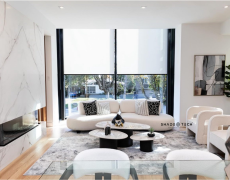
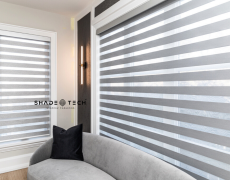
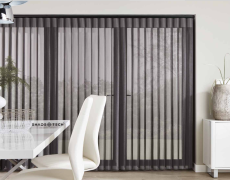

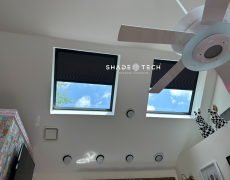


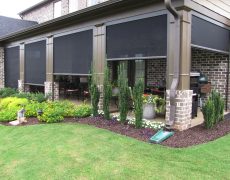

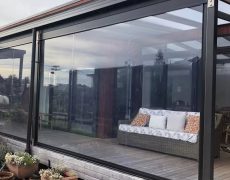



A north- or west-facing patio can look perfect at 9 a.m. and become nearly unusable by late afternoon. In North Texas, retractable outdoor shades give homeowners a practical way to keep outdoor rooms comfortable without closing off the view or permanently changing the architecture. When raised, the system disappears into a discreet housing. When lowered, it creates a controlled barrier against sun, glare, insects, and prying sightlines.
For homes with expansive openings, covered patios, pool areas, and outdoor kitchens, the difference is more than visual. The right exterior screen can reduce the harshness of direct sun, protect furnishings from UV exposure, and make a space more useful through more hours of the day.
What Retractable Outdoor Shades Actually Do
Retractable outdoor shades are exterior-mounted screen systems that lower vertically from a top cassette or housing. Unlike interior window coverings, they stop a meaningful portion of solar heat before it reaches the glass or occupied outdoor space. Unlike fixed shade structures, they can be raised when homeowners want an open view, natural light, or full access to a patio opening.
Most systems use a technical mesh fabric rather than an opaque solid material. The fabric filters sunlight while preserving varying levels of outward visibility and airflow. Side tracks or cable-guided systems keep the shade aligned, although track-guided screens generally provide a cleaner finish and stronger performance in large openings and changing weather.
The result is not an outdoor air-conditioned room. That expectation matters. A shade cannot eliminate a 105-degree Texas afternoon, but it can cut glare, reduce radiant heat, and make ceiling fans or misting systems far more effective. In the right application, that turns a patio used only in spring into a space that stays inviting much longer.
Why Exterior Solar Control Matters in Dallas-Fort Worth
Dallas-Fort Worth homes contend with strong western sun, long cooling seasons, sudden wind, and outdoor living areas built around large openings. A patio may receive direct low-angle sun precisely when the family wants to use it for dinner. Glass doors and windows facing that exposure also absorb heat that can affect adjacent indoor rooms.
An exterior screen intercepts solar energy at the source. This can reduce the intensity of direct sunlight before it strikes furniture, flooring, and glazing. It also helps protect wood finishes, upholstery, rugs, and outdoor kitchens from fading and premature wear. For restaurants and hospitality patios, it can create more consistent guest comfort without sacrificing the polished look of an open-air setting.
Privacy is another common reason to install screens, especially in newer neighborhoods where patios face nearby second-story windows. A darker fabric often offers stronger daytime privacy and glare reduction, but it may also slightly reduce views from inside the patio. The best choice depends on whether the priority is openness, sun control, privacy, or insect protection.
Choosing the Right Retractable Outdoor Shades
The best system is built around the opening, exposure, and how the space is used. A screen selected only by color or price can look acceptable at installation but underperform when wind, heat, and daily use become part of the equation.
Screen openness and fabric color
Openness refers to the percentage of open space in a solar screen fabric. A more open weave preserves clearer views and more daylight, while a tighter weave blocks more sun and improves privacy. Neither is universally better. A homeowner with a protected, tree-lined patio may prefer a more open fabric. A west-facing outdoor kitchen that receives intense late-day glare may benefit from a tighter solar fabric.
Color matters as well. Darker fabrics often provide better outward visibility because they reduce reflected light, while lighter colors can create a brighter visual effect from the exterior. The frame, cassette, and fabric should be coordinated with the home’s trim, stone, stucco, or metal finishes so the system feels designed into the elevation rather than added afterward.
Guided tracks versus cable guidance
Cable-guided shades can work well for select applications, particularly where a minimal visual profile is the priority. For broad patio openings, however, track-guided systems are often the stronger long-term choice. They hold the fabric edges in place, create a more finished appearance, and provide more dependable resistance to breezes.
This is especially relevant in North Texas. Wind performance depends on the screen size, mounting surface, guide system, fabric tension, and local exposure. No outdoor shade should be treated as storm protection. A properly specified motorized system should be raised during severe weather, and wind sensors can add another layer of protection where appropriate.
Manual or motorized operation
Manual shades suit smaller, occasional-use openings, but motorization is typically the better fit for large or frequently used patios. One touch can lower multiple screens before guests arrive, or raise them when the morning view is the point of the space. Motorized operation also avoids the uneven wear and inconvenience that can come with repeatedly handling large screens by hand.
For smart-home households, automation adds real everyday value. Screens can be scheduled around the strongest sun exposure, controlled by a wall keypad, grouped with patio lighting, or operated by voice through compatible smart-home platforms. For commercial spaces, centralized controls make it easier for staff to manage multiple openings consistently.
Installation Details That Determine Performance
A custom outdoor screen is only as good as its measurement, mounting, and installation. Patio beams may not be perfectly level. Brick, stucco, steel, wood, and stone each require an appropriate fastening strategy. Openings that look identical can have different clearances, drainage paths, trim details, and obstructions.
Professional measurement establishes the true usable width and drop, identifies the best location for the cassette and guides, and accounts for door swings, ceiling fans, lighting, and furniture placement. It also helps prevent a common mistake: selecting a screen that technically fits the opening but interferes with how the patio is used.
For large contemporary homes, the visual details deserve equal attention. A cassette that aligns with existing beams, guides that sit cleanly against columns, and carefully matched finishes make the entire system look intentional. This is where local manufacturing and installation coordination become meaningful. ShadeoTech can measure, manufacture, and install around the specific conditions of a DFW property rather than forcing a standard retail size into a custom opening.
Smart Controls Should Make Outdoor Living Easier
Automation is most useful when it follows a routine rather than becoming another app to manage. A west-facing screen can lower automatically before the patio becomes uncomfortable. Screens can rise at a preferred morning time, then lower again when afternoon sun reaches the seating area. Homeowners can also create a simple “patio mode” that adjusts shades, lights, and fans together.
Smart controls should be selected with the rest of the home in mind. Compatibility with Alexa, Google Home, Apple HomeKit, and Matter-enabled systems can help avoid isolated devices and redundant controls. Still, a dependable wall control and straightforward manual override remain valuable. Technology should make the system easier to use for everyone in the household, including guests and service staff.
Planning for Long-Term Care
Quality outdoor shades are designed for outdoor exposure, but they are not maintenance-free. Periodically rinse dust and pollen from the fabric with gentle water, keep the side tracks clear of leaves and debris, and avoid using abrasive cleaners. If the screen does not travel evenly or begins rubbing against a guide, address it early instead of continuing to operate it.
During major wind events, raise the screens unless the system is specifically designed and currently operating within its stated wind limits. This protects the fabric, guides, motor, and mounting points. It is also wise to review automation settings seasonally as daylight hours and sun angles change.
For a patio that feels too hot, too exposed, or too bright to enjoy, the answer does not have to be a permanent wall or a bulky fixed structure. A carefully measured retractable screen can preserve the openness that made the space appealing in the first place, while giving you control when the Texas sun decides otherwise.
