

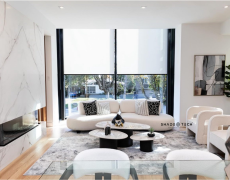
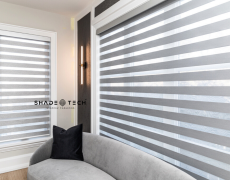
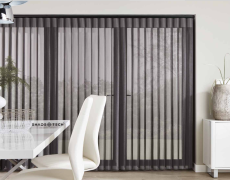
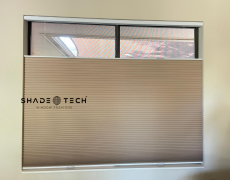

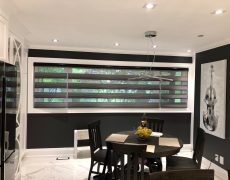
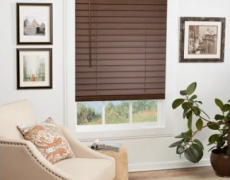
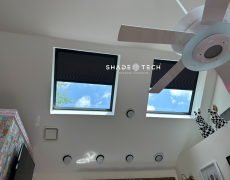






A shade that sits even slightly out of level becomes obvious every time it moves. On a large living-room window, it can create light gaps, uneven fabric rolls, and a finished look that falls short of the home around it. Professional window treatment installation is what turns a custom product into a reliable part of the space: properly fitted, quietly operating, and ready to manage North Texas sun on command.
For Dallas-Fort Worth homes and commercial spaces, installation is not a final checkbox after choosing a blind or shade. It is where design, performance, electrical planning, and smart-home technology come together. The right process protects the investment in custom materials while ensuring the system performs as intended for years.
What Professional Window Treatment Installation Includes
A professional installation begins long before the installer arrives with hardware. It depends on accurate field measurements, a clear mounting plan, product specifications built for the opening, and an understanding of how the shade will be used each day.
Custom window treatments are manufactured to fit a specific opening, but the opening itself is rarely as simple as it looks. Drywall may be out of square. Trim can vary in depth. A modern wall of glass may have different dimensions at the top and bottom. Even a small inconsistency can affect how a roller shade aligns, how a shutter panel closes, or whether an inside-mount blind has enough clearance to operate correctly.
The installation team evaluates the finished conditions, confirms bracket placement, and uses the right fasteners for the mounting surface. That can mean locating framing behind drywall, accounting for steel lintels, or planning appropriate support for a heavy motorized shade. The objective is a clean result that is secure, level, and proportioned to the architecture.
Precision protects appearance and performance
A well-designed shade should disappear into the room when it is raised and look intentional when it is lowered. That requires attention to details that retail measurements often miss: window handle clearance, sill depth, trim projections, recessed openings, and the location of nearby doors or cabinetry.
It also affects light control. A blackout shade may be the right fabric for a bedroom, but it cannot deliver the expected darkness if the mounting approach leaves unnecessary gaps at the sides. A solar shade can reduce glare and UV exposure in a sun-facing great room, but the fabric openness and placement need to reflect the view, the sun angle, and the homeowner’s privacy expectations.
Professional installers make these decisions before product fabrication, not after the shade is already on the wall. That reduces compromises on site and helps the finished system look built into the home rather than added as an afterthought.
Professional Window Treatment Installation for Smart Shades
Motorized shades add another layer of precision. The shade must be mounted correctly, but the system also needs dependable power, communication, limits, and control settings. A motor that is not calibrated correctly may stop short, travel unevenly, or fail to respond consistently to schedules and scenes.
Battery-powered motors can be an excellent option where wiring is not practical, especially for existing homes and smaller groups of windows. They keep walls intact and offer a clean path to automation. Hardwired systems are often the better choice for large installations, high windows, and projects where frequent use makes long-term power access a priority. Solar charging can also be useful in bright locations, though its suitability depends on the window orientation, available sunlight, and the product configuration.
During setup, each motorized shade should be tested through its complete range of motion. Controls need to be paired, labeled, and organized in a way that makes sense for the household or facility. Smart integrations with Alexa, Google Home, Apple HomeKit, or Matter-enabled systems should be verified in the real environment, not simply assumed to work because a product is compatible on paper.
This is where a full-service partner has a meaningful advantage. ShadeoTech can coordinate measurement, Texas-based manufacturing, installation, and smart-home setup under one accountable process. The result is less guesswork between a retailer, an electrician, a contractor, and a separate installer.
Why Dallas-Fort Worth Windows Need a Local Approach
North Texas sunlight is not a minor design consideration. Large west-facing windows can make a room uncomfortable by midafternoon, fade floors and furnishings over time, and force HVAC systems to work harder. The same glass that creates an open, contemporary feel can also introduce glare on televisions, computer screens, and restaurant tables.
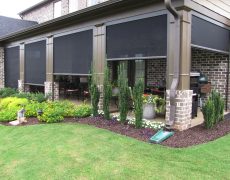
The right window treatment strategy balances those competing needs. Solar shades preserve a view while filtering harsh light. Dual shades allow a room to shift between daytime privacy and greater room darkening. Shutters offer durable structure and a tailored architectural look. Exterior screens can reduce solar heat before it reaches the glass, making patios and outdoor living areas more usable in warm months.
Installation determines whether those benefits are fully realized. An exterior screen must be anchored and aligned to withstand regular operation and local weather. A wide interior shade requires proper support so the tube remains straight and the fabric rolls evenly. For tall windows, motorization is often more than a convenience – it is the practical way to use the product consistently.
The Installation Details That Matter Most
Homeowners often focus first on fabric, color, and automation features. Those decisions matter, but several behind-the-scenes details have equal influence on long-term satisfaction.
First, mounting location sets the visual line of the treatment and controls potential light gaps. Inside mounts create a clean, recessed appearance when the window has sufficient depth and square conditions. Outside mounts can make a window feel larger, conceal uneven openings, and provide stronger coverage. Neither is automatically better. The right choice depends on the window, the desired look, and the level of light control required.
Second, product weight and width affect hardware selection. A broad motorized roller shade, wood blind, or large shutter panel places different demands on brackets and fasteners than a lightweight cellular shade. Professional installers use mounting methods that support the actual load rather than relying on a one-size-fits-all approach.
Third, finish work matters. Brackets should be positioned consistently, headrails should sit level, and fascia or valances should align with surrounding trim. In a premium interior, these small details are not small at all. They are the difference between a system that looks integrated and one that looks merely installed.
Installation Planning for Builders, Clinics, and Restaurants
For builders and remodelers, window treatment planning works best before the project reaches final paint. Early coordination can identify power locations for motorized shades, recessed pocket opportunities, and mounting conditions behind drywall. It also helps prevent a common frustration: a beautiful window wall with no practical way to conceal or support its shading system.
Medical clinics benefit from dependable privacy, glare reduction, and surfaces that suit their operational needs. In treatment rooms and waiting areas, the goal is usually controlled daylight without a heavy or residential appearance. Restaurants have a different set of priorities, including guest comfort, changing sun exposure throughout service, and window coverings that staff can operate easily during busy hours.
In both settings, professional installation supports daily operations. Shades can be grouped by zone, scheduled for opening and closing, or controlled from a central location. The system should feel simple to the people using it, even when the technology behind it is sophisticated.
What to Expect From a Full-Service Installation Process
A strong process starts with a consultation focused on how the room performs, not just how it looks. The discussion should cover sun exposure, privacy, insulation needs, furniture layout, control preferences, and whether the window coverings need to integrate with an existing smart-home system.
Next comes detailed measurement and product planning. This is the stage for confirming mount type, fabric selection, opacity, motor power, control method, and any special conditions such as oversized windows or high ceilings. Once the custom products are made, the installation appointment should include careful mounting, adjustment, operational testing, and a clear handoff.
For motorized systems, that handoff should include more than a quick demonstration. Homeowners and facility managers should understand remotes, wall controls, apps, voice commands, and basic charging or maintenance expectations. A good setup gives people confidence to use automation every day, whether that means lowering west-facing shades before the afternoon heat arrives or opening an entire home with a morning scene.
Custom window treatments are a visible investment, but their most valuable work happens quietly. Choose an installation approach that respects the details behind the finished look, and the shades, blinds, shutters, or screens will keep delivering comfort, control, and polished performance long after installation day.
