








A west-facing patio can look beautiful at 10 a.m. and become nearly unusable by late afternoon. In Dallas-Fort Worth, outdoor shading is not a decorative extra. It is a practical way to manage intense sun, reflected heat, glare, insects, and UV exposure without closing off the view that made the outdoor space appealing in the first place.
For homeowners, restaurants, medical clinics, and commercial properties, the right shade system changes how often an exterior area is used. The difference is especially noticeable on covered patios, pool areas, outdoor kitchens, pergolas, and glass-walled entertaining spaces where direct sun can quickly raise surface temperatures and make seating uncomfortable.
What Outdoor Shading Needs to Solve in North Texas
North Texas presents a demanding mix of conditions. Summer sun is strong, afternoon heat can linger well into the evening, and sudden wind or rain can turn a light-duty solution into a maintenance problem. A well-planned system must do more than create a darker patio.
It should reduce solar heat before it reaches the seating area, filter glare without making the space feel enclosed, and protect furnishings from fading. It also needs to fit the architecture, operate reliably, and stand up to regular use. On a commercial patio, that may mean repeated opening and closing throughout the day. At home, it may mean lowering shades automatically before the sun reaches a favorite room or outdoor dining area.
The right answer depends on the exposure. A south-facing terrace often needs consistent daytime solar control. A west-facing patio may need stronger late-day protection. An outdoor kitchen can benefit from targeted shading around the grill-side seating zone while keeping ventilation open. This is why custom measurement and site-specific planning matter more than choosing a standard-size screen online.
Retractable Exterior Screens: Control Without Losing the View
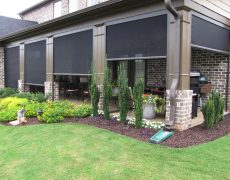
For many Dallas-area properties, retractable exterior screens are the most versatile outdoor shading option. These systems lower vertically from a housing mounted above an opening, creating a clean barrier against sun, glare, wind-blown debris, and insects. When not needed, they retract out of sight and preserve open access to the yard, pool, or patio.
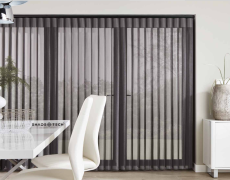
Screen fabric selection determines much of the performance. Openness factor, color, and weave affect how much light enters, how much glare is reduced, and how clearly people can see outward. A more open fabric preserves visibility and natural light, while a tighter weave provides more privacy and stronger solar control. Darker fabrics often improve the outward view during daylight because they reduce reflected light, but the best choice should also complement the exterior palette and interior sightlines.
For large openings, guided screen systems are particularly valuable. Side tracks or cable-guided designs help keep the fabric aligned and provide a more finished appearance than loose, manually operated shades. The appropriate hardware depends on opening size, wind exposure, mounting surface, and how the space will be used. A poolside opening has different requirements than a sheltered porch or restaurant patio.
Manual or Motorized Outdoor Shading?
Manual operation can be appropriate for smaller, protected openings that are adjusted only occasionally. It can also be a sensible choice when budget is the primary concern. However, a shade that is inconvenient to operate is more likely to stay in one position, which limits its value.
Motorized outdoor shading makes daily use much easier, especially when a property has multiple openings, high ceilings, wide patio spans, or changing sun conditions. With a handheld remote, wall control, app, or voice assistant, occupants can lower a screen before the patio heats up and raise it again when the sun shifts.
Automation adds another level of performance. Scheduled scenes can lower exterior shades during peak afternoon exposure and raise them in the evening for an open view. Smart-home integration can coordinate the exterior screen with interior shades, lighting, and climate settings. For a restaurant or clinic, centralized control can help staff adjust several openings quickly without interrupting service.
The technical details matter here. Motor selection, electrical access, signal reliability, and control-platform compatibility should all be planned before installation. Systems that work with Alexa, Google Home, Apple HomeKit, and Matter-enabled environments can be especially useful, but compatibility should be confirmed for the specific home or building rather than assumed.
Design Choices That Affect Comfort and Appearance
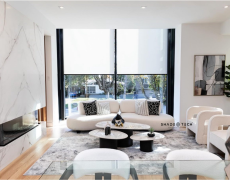
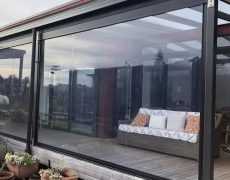
Outdoor shading should look intentional from both sides of the opening. The cassette, tracks, fabric, and mounting method all contribute to the finished result. On contemporary homes with expansive glass and clean-lined patios, a compact housing and precisely aligned tracks help the system feel integrated rather than added on later.
Color selection has both visual and functional effects. A screen fabric that coordinates with trim or window frames can make large systems recede into the architecture. Lighter colors may reflect more visible light and feel airy, while darker colors can create stronger visual contrast and better daytime transparency. Neither option is automatically better. The best fit depends on the facade, the desired privacy level, and what people see from inside the home.
It is also worth considering where shade is needed most. Covering every opening with the same material is not always the smartest design. A patio may need solar screen fabric on the west elevation, insect protection near dining areas, and a more transparent solution where the primary goal is preserving a view. Custom systems allow those decisions to be made opening by opening.
Why Professional Measurement Makes a Difference
Exterior openings are rarely as simple as they appear. Brick, stucco, stone, steel, wood, and aluminum each require different mounting approaches. Columns may not be perfectly plumb, finished surfaces may have clearance limitations, and a header may conceal wiring or structural details that affect placement.
Professional measurement identifies these issues before fabrication begins. It also confirms the exact dimensions, mounting depth, track alignment, power requirements, and clearance needed for smooth operation. This is particularly important for large contemporary openings, where a small measurement error becomes visible quickly.
Local manufacturing offers a practical advantage when a system is built to fit a specific project rather than pulled from a limited retail inventory. At ShadeoTech, outdoor screen solutions are measured, manufactured, and installed with North Texas conditions and local architectural styles in mind. That direct process supports better fit, more control over materials, and fewer handoffs between the initial consultation and final setup.
Outdoor Shading for Commercial Spaces
For commercial properties, exterior shading is often tied directly to operations. A restaurant patio that is too hot at lunch loses seats. A medical clinic waiting area with harsh glare feels less comfortable for patients. A builder or contractor needs an exterior solution that looks finished, operates predictably, and supports the overall quality of the project.
Motorized screens can help businesses extend the usable hours of patios and semi-enclosed spaces while maintaining a polished exterior appearance. They can also reduce glare near windows and glass doors, helping employees and guests use screens, tablets, and point-of-sale equipment more comfortably.
Durability should be a central consideration. Commercial settings may require heavier-duty components, larger screen spans, more frequent operation, and controls that multiple staff members can use without confusion. The best system balances performance with a straightforward daily routine. A sophisticated control setup has little value if the team avoids using it.
Planning an Outdoor Shade System That Lasts
Start with sun direction, not product names. Watch how light moves across the space from morning through evening, especially during the months when the area is used most. Note where people sit, where glare hits, and which surfaces become too hot to touch. These observations create a far better starting point than selecting fabric from a photo alone.
Then consider use patterns. If the patio is used every weekend, motorization may quickly become worthwhile. If children or pets move through the opening frequently, retractability and easy controls become more important. If wind is a concern, the installer should evaluate the opening and recommend a system designed for that exposure rather than promising that any screen will perform the same way.
Finally, plan power and controls early. Running electrical service before a remodel is complete is usually cleaner than adding it afterward. It also creates more options for concealed wiring, wall controls, and smart-home integration.
A well-designed exterior screen does not merely block the sun. It gives you more control over when and how an outdoor space works. When the heat, glare, and UV exposure are managed with a system built for the opening, the patio becomes a place people choose to use well beyond the hours when the weather is perfect.
