








A North Texas patio can look exceptional and still sit empty for much of the day. Afternoon heat, low-angle glare, mosquitoes, and wind-driven dust can turn an outdoor living space into a place people admire from indoors. Outdoor patio screen systems address those conditions without permanently closing off the view, the breeze, or the architecture that made the patio appealing in the first place.
For Dallas-Fort Worth homeowners, the right screen system is not a decorative add-on. It is a custom exterior shading solution that makes a patio, covered porch, pergola, restaurant terrace, or clinic waiting area more usable through more months of the year.
What Outdoor Patio Screen Systems Actually Do
A patio screen system typically uses a purpose-built exterior fabric that lowers sun exposure while preserving outward visibility. The screen travels in side tracks or guided channels and can be raised out of sight when the space is open to mild weather. Depending on the fabric and installation design, it can also reduce insects, add daytime privacy, and create a more controlled outdoor environment.
That distinction matters. A fixed screen panel may block bugs, but it does little to adapt to a changing Texas day. A quality retractable system gives the homeowner control. Lower the screens during intense afternoon sun, raise them for an evening view, or program them around the times your patio receives the most direct exposure.
The benefit extends beyond comfort. Exterior solar screens stop a meaningful amount of solar energy before it reaches the patio surface, adjacent glass, and interior rooms. That can reduce glare and help limit heat buildup near large sliding doors and contemporary window walls. It also protects outdoor furnishings, flooring, and interior finishes from prolonged UV exposure.
Why Dallas Patios Need a Custom Approach
North Texas weather asks more from outdoor shades than a standard retail solution can provide. The area sees intense summer sun, sudden thunderstorms, strong wind, pollen, dust, and temperature swings that can change the way a patio feels within an hour. Sizing, fabric selection, hardware quality, and installation precision all affect whether a system performs reliably over time.
A screen that fits loosely at the sides can allow insects and light gaps through the opening. One that is undersized or installed without proper tension may move excessively in wind. A system designed only around appearance can also miss the practical goal: reducing the exact sun angles that make a breakfast patio unbearable at 9 a.m. or a west-facing outdoor kitchen too hot at 5 p.m.
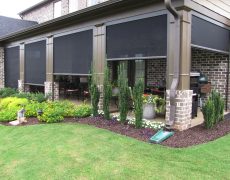
Custom measurement is especially important on brick openings, stone columns, steel pergolas, and patios with irregular dimensions. The screen cassette, guide tracks, mounting surfaces, and bottom bar must work together cleanly. A professionally planned installation protects the finished look of the structure while giving the screen the support it needs.
Choosing the Right Fabric for the Job
The fabric is where many patio screen decisions are won or lost. Not every mesh is intended to solve the same problem, and the best choice depends on how the space is used.
Solar screen fabrics
Solar screen fabrics are designed to control glare and heat while maintaining a degree of outward view. Their openness factor determines how tightly the weave is constructed. A more open fabric generally provides a clearer view and more daylight. A tighter fabric typically offers stronger shade and privacy, though it may make the view feel darker.
For a patio facing west or southwest, a tighter solar fabric often makes sense because the late-day sun is especially difficult to manage. On a covered patio that already has substantial shade, a more open fabric may preserve the outdoor feel while still cutting glare.
Fabric color also affects performance and appearance. Darker fabrics tend to maintain clearer visibility looking outward, while lighter colors can create a brighter visual effect from inside the patio. The right answer is usually a balance between heat control, view, privacy, and the home’s exterior palette.
Insect screen fabrics
If mosquitoes, flies, and other pests are the main concern, insect-focused mesh is the better starting point. These fabrics use a tighter weave to create a more protected enclosure. They can be an excellent fit for dining patios, poolside seating, and outdoor spaces where families want to stay outside after sunset.
The trade-off is airflow and visibility. A tighter insect mesh may slightly reduce each, especially compared with a more open solar fabric. That is why a consultation should begin with the actual problem you want to solve, not simply the color of the screen housing.
Privacy and specialty options
Some patios need additional daytime privacy from neighboring homes, nearby streets, or commercial foot traffic. Specialty fabrics can provide a more private feel while retaining filtered light. For restaurants, medical clinics, and hospitality settings, this can create a more comfortable guest experience without the hard, enclosed appearance of a permanent wall.
Motorization Changes How Often You Use the Patio
Manual screens can be practical on a small opening, but motorization is often the better choice for larger patios, multiple openings, or spaces used every day. With a motorized system, a single remote, wall control, smartphone app, or voice command can lower several screens at once.
That convenience has a real effect on usage. Screens are far more likely to be used when they deploy in seconds rather than requiring someone to walk to each opening, manage a crank, or wrestle with a manual shade during a gusty afternoon.
For smart-home households, outdoor patio screens can be integrated with platforms such as Alexa, Google Home, Apple HomeKit, and Matter-compatible systems when the selected controls support them. A homeowner might set west-facing screens to lower before the strongest afternoon sun, raise at a preferred evening hour, or operate them as part of an entertaining scene that also adjusts indoor shades and patio lighting.
Wind should be considered carefully. Screens are designed for specific conditions, but no retractable screen should be treated as a storm barrier. Wind sensors and smart controls can add useful protection by raising screens when conditions become unsafe. The right safeguards depend on the opening size, exposure, fabric, guide system, and local installation conditions.
The Hardware Matters as Much as the Fabric
A polished patio screen system depends on more than an attractive fabric sample. The cassette housing should protect the rolled fabric when the screen is raised. Side tracks should guide the screen evenly and help limit gaps. A properly designed bottom bar maintains tension and creates a finished line across the opening.
For broad openings, quality components and correct engineering are essential. Larger spans may require specific track designs, reinforced hardware, or multiple screens rather than one oversized unit. Trying to force a single screen across an opening that exceeds its intended capability can compromise operation and appearance.
Color coordination is another important detail. Hardware can often be selected to complement window frames, patio trim, pergola finishes, or exterior paint. On a modern home, matching the screen housing to dark bronze or black window frames can make the system feel intentional rather than added later.
A Better Process Than Buying Screens Off the Shelf
Custom outdoor screens should begin with a site-specific conversation. Which direction does the patio face? When is it uncomfortable? Are bugs the main issue, or is the goal to control heat and glare near the home? Do the openings have masonry, wood, steel, or stucco mounting surfaces? Does the system need to integrate into an existing smart-home setup?
Those answers determine the appropriate fabric, track style, motor option, and control strategy. They also reveal installation details that are easy to miss in an online purchase, such as drainage paths, clearance for doors, electrical access, uneven surfaces, and obstructions near the opening.
ShadeoTech brings consultation, precision measurement, Texas-based custom manufacturing, professional installation, and smart-home setup into one coordinated process. That matters because a screen system only looks and operates as intended when the product design and installation are planned together.
For builders and contractors, early coordination is especially valuable. Providing power locations, mounting backing, and clean clearances during construction can preserve a more integrated look and avoid costly revisions after finishes are complete.
Where Patio Screens Deliver the Most Value
Outdoor screen systems are especially effective on covered patios with open sides, outdoor kitchens, pool cabanas, pergolas, and balconies exposed to low-angle sun. They also work well for commercial patios where customer comfort directly affects dwell time and revenue.
A restaurant may use them to make a sunny terrace comfortable through lunch service. A medical clinic may use them to reduce glare and create a calmer exterior waiting area. At home, the value is often simpler: the family can use the patio for dinner without swatting mosquitoes or retreating indoors when the sun turns the concrete into a heat source.
The strongest patio screen system is the one designed around the way the space is actually lived in. When the fabric, controls, and installation are selected for North Texas conditions, the patio stops being a seasonal feature and becomes a comfortable part of the home’s daily rhythm.
