

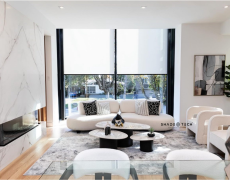
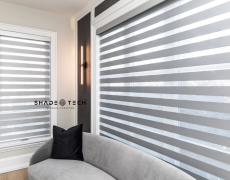
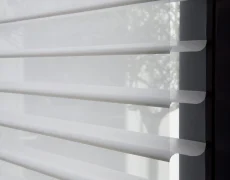
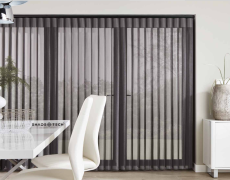
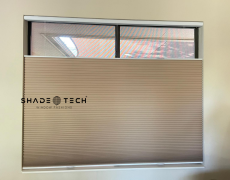

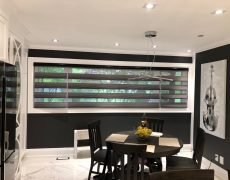
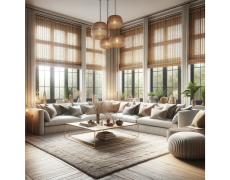
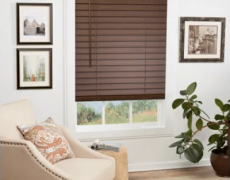
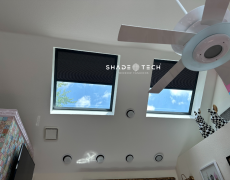


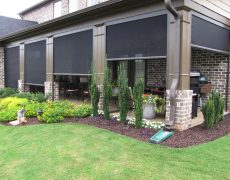

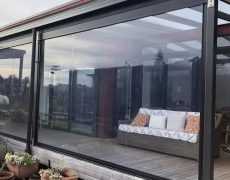



A west-facing bedroom in Dallas can be bright long before the alarm goes off. By midafternoon, that same sun can warm the glass, fade furnishings, and make a media room difficult to use. Motorized blackout shades solve those problems with one controlled system: custom-fitted fabrics that block incoming light, paired with quiet motors, scheduled automation, and professional installation.
For homeowners, builders, medical clinics, restaurants, and commercial spaces, the appeal is not simply pressing a button. It is getting dependable privacy, better comfort near large windows, and a polished finish that works with the architecture rather than competing with it.
What Motorized Blackout Shades Actually Do
Blackout describes the fabric’s ability to stop light from passing through the shade material itself. With a true blackout fabric, sunlight does not glow through the weave as it can with solar or light-filtering fabrics. That makes it a strong choice for bedrooms, nurseries, media rooms, conference rooms, treatment rooms, and any space where visual privacy matters.
The word “motorized” refers to the operating system. Instead of manually pulling a chain or lifting a shade by hand, the shade raises and lowers through a wired or rechargeable battery motor. It can be operated by wall control, handheld remote, mobile app, voice assistant, or a programmed schedule.
This distinction matters because blackout performance and automation are separate decisions that work best when planned together. A premium motor does not improve a poor fit, and excellent blackout fabric cannot fully perform if light is entering around the edges of an undersized shade.
Blackout is not always total darkness
A roller shade mounted inside a window opening will typically have small side gaps so the fabric can move freely. It blocks light through the fabric, but a thin line of light may appear around the edges, particularly on bright Texas mornings.
For the darkest result, the shade design may include a fascia, side channels, a room-darkening cassette, or an outside mount that extends beyond the opening. The right option depends on trim depth, window geometry, design goals, and how much darkness the room truly requires. A bedroom may benefit from a room-darkening system, while a conference room may only need glare control for presentations.
Why Dallas-Fort Worth Homes Benefit From Automation
North Texas homes often feature expansive glass, tall ceilings, and wide contemporary window walls. Those details are beautiful, but they also create real demands for light management. A shade that is inconvenient to reach tends to stay in one position, even when afternoon sun is heating the room or striking a television screen.
Automation makes daily adjustment practical. Shades can lower before direct sun reaches a west-facing living area, rise gradually in the morning, or close at dusk for privacy. In a two-story foyer or a home with clerestory windows, motorization may be the only sensible way to operate the system regularly.
Heat reduction is more nuanced. Blackout shades can reduce solar gain when lowered, but performance depends on fabric color, openness, mounting position, window orientation, insulation, and whether the glass is already low-E. Shades are not a replacement for efficient windows or HVAC planning. They are a highly effective layer of control that helps occupants manage heat and glare at the times they matter most.
They also protect interior finishes. Wood floors, artwork, upholstery, and rugs can all be affected by prolonged UV exposure. Scheduling shades around peak sun hours provides protection without requiring someone to remember every room, every day.
Smart Controls That Fit the Way You Live
A well-designed automated shade system should feel simple after installation. The technology is valuable only when it responds reliably and gives the owner useful control.
For many households, that starts with scenes. A “Good Morning” scene might raise kitchen and living-room shades while keeping bedroom shades lowered. A “Movie Time” scene can lower media-room blackout shades and dim compatible lighting. At night, a privacy scene can close street-facing shades throughout the home.
ShadeoTech can configure compatible systems for Alexa, Google Home, Apple HomeKit, and Matter-enabled smart-home environments. The best platform depends on what the home already uses. A homeowner with Apple-based controls may prioritize HomeKit integration, while a builder working with a broader automation package may prefer a system designed around a dedicated control processor.
Battery motors are often an excellent option for finished homes because they avoid opening walls for low-voltage wiring. They require periodic charging or battery replacement, depending on the motor and frequency of use. Hardwired motors are ideal during construction or major renovation, especially for large shade banks and hard-to-reach windows. They provide a permanent power solution, but they require early coordination with the electrician and builder.
Choosing the Right Shade System
The most successful projects begin with the room, not a product catalog. A nursery has different needs from a restaurant dining room. A clinic may prioritize patient privacy and easy staff operation, while a luxury primary suite may call for the darkest possible sleeping environment with designer-facing details.
Fabric selection is the first major decision. Blackout fabrics vary in texture, color, weight, and backing. A pale fabric can still have blackout properties, but a darker room finish may make edge light less noticeable. In living spaces, some homeowners choose dual shades: a solar or light-filtering shade for daytime glare control and a blackout shade for nighttime privacy. That approach offers more flexibility but adds cost and system complexity.
Mounting is equally important. Inside mounts create a clean, built-in look when the window opening has enough depth and is square. Outside mounts can cover more of the opening and improve room-darkening performance, especially when trim dimensions allow the shade to overlap the window. For large windows, a single wide shade may look minimal, but multiple coordinated shades can offer better fabric alignment, motor performance, and day-to-day control.
Then there is appearance when the shade is raised. A cassette or fascia conceals the roller and provides a finished architectural line. It is often worth specifying in formal rooms, commercial reception areas, and modern interiors where every visible detail counts.
Why Custom Measurement and Installation Matter
Window treatments are one of the few interior upgrades that must perform against construction tolerances. Walls may not be perfectly plumb, window openings may vary slightly, and trim can interfere with brackets or fabric travel. Those details are why a custom site measure is more than a formality.
Professional measurement confirms the usable width, height, mounting depth, bracket locations, window handles, and obstructions. It also identifies whether a large shade requires reinforced hardware or a different configuration. For motorized systems, the planning stage includes access to power, control placement, charging considerations, and smart-home requirements.
Local manufacturing adds another practical advantage. A custom shade is produced for its assigned opening rather than pulled from a standard retail size. At ShadeoTech’s Carrollton facility, local production and professional installation keep the process connected from measurement through final setup. That is especially valuable when a project includes oversized windows, multiple rooms, or coordinated automation across a home or commercial property.
Where Blackout Shades Make the Most Sense
Bedrooms are the obvious choice, particularly for shift workers, young children, and homeowners who want stronger sleep conditions. Yet some of the best applications are outside the bedroom. Media rooms benefit from reduced screen glare and a more controlled viewing environment. Home offices gain privacy during video calls. Street-level rooms can close automatically at dusk without changing the home’s daytime openness.
In commercial settings, blackout shades support presentation rooms, medical treatment areas, hospitality spaces, and restaurant zones with difficult afternoon exposure. The system should be selected for the operating reality of the space. A restaurant may need simple staff controls and durable finishes, while a clinic may need grouped controls that staff can operate quickly between appointments.
The most useful starting point is to identify when sunlight creates a problem: early morning sleep disruption, afternoon heat, TV glare, faded furnishings, or nighttime privacy. From there, the right fabric, mount, motor, and control strategy become much easier to define.
