

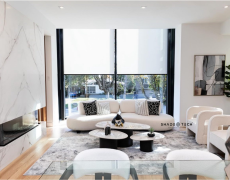
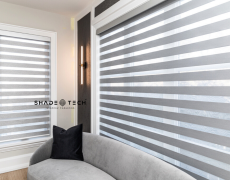
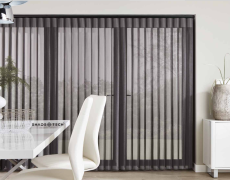
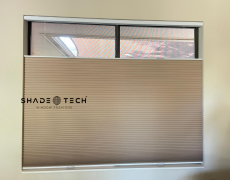

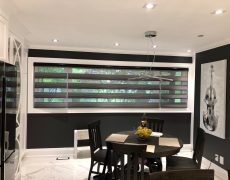
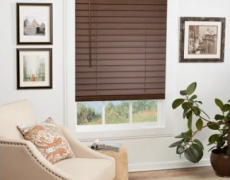






A west-facing wall of glass can turn a beautiful Dallas living room into the warmest room in the house by midafternoon. Matter shade technology gives homeowners a more intelligent way to respond: shades can lower on schedule, react through automations, and work with the smart-home platform already in use. The result is not just a motorized window covering. It is more consistent control of glare, privacy, UV exposure, and heat gain.
For homes with large contemporary windows, high ceilings, and sun-exposed rooms, the details matter. The right motor, fabric openness, custom fit, and installation method determine whether a smart shade system feels dependable every day or becomes another device that needs attention.
What Matter shade technology actually changes
Matter is a smart-home connectivity standard designed to help compatible devices communicate across leading ecosystems, including Apple Home, Amazon Alexa, Google Home, and Samsung SmartThings. For a homeowner, its value is practical: one shade system can be easier to add, control, and automate alongside lights, thermostats, sensors, locks, and other connected products.
With Matter-compatible window shades, a command such as “close the family room shades” can come from a voice assistant, wall-mounted controller, phone app, or a programmed scene. A “Goodnight” scene might lower bedroom shades, switch off lights, and adjust the thermostat with one command. In a commercial setting, a clinic or restaurant can use timed schedules to create a more comfortable, polished space before staff or guests arrive.
Matter also emphasizes local communication where supported. That can reduce dependence on a cloud connection for routine actions and can make basic control more responsive. It does not mean every feature works identically in every smart-home app, however. Advanced limits, favorite positions, fabric-specific settings, battery reporting, and specialized automations can vary by motor, bridge, controller, and platform.
That distinction is worth understanding before selecting a system. Matter creates a common language, but the quality of the shade hardware and the design of the installation still determine the daily experience.
Matter shade technology is not one-size-fits-all
A Matter label is a useful starting point, not a complete specification. Smart shades may connect directly through Wi-Fi or Thread, or they may use a manufacturer hub or bridge that brings a proprietary motor system into a Matter smart home. Each approach has trade-offs.
Wi-Fi can be straightforward for homes with strong coverage, but a large project with many motors should be planned carefully so it does not add unnecessary demand to the network. Thread is designed for low-power smart-home devices and can be an excellent fit for battery-operated products, but it needs an appropriate Thread border router in the home. A bridge can support proven shade motors and more specialized features, though it adds one more powered component to the system.
Compatibility should also be confirmed at the feature level. Ask whether the selected shade supports open, close, stop, percentage positioning, favorite positions, and any tilt functions through the chosen platform. This is especially relevant for dual shades, exterior screens, and products with more than one moving component. A basic command may be available everywhere, while more precise control remains in the manufacturer’s app.
For a high-value custom window treatment project, choosing a system solely because it appears on a compatibility list is rarely the best decision. The better question is whether the system delivers reliable automation, the desired control options, and a clean installation for the specific room.
Where connected shades make the biggest difference in North Texas
North Texas sunlight is not a minor design consideration. It can create glare on televisions and monitors, fade floors and furnishings, and drive uncomfortable solar heat through expansive glass. Automated shades allow the home to respond before occupants feel the effects.
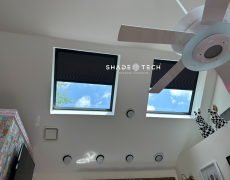
In a south- or west-facing living area, solar shades can lower during the strongest afternoon sun while preserving an outward view. In a media room, blackout shades can close before a movie begins. In bedrooms, a wake-up routine can raise shades gradually in the morning, while a privacy schedule closes them at dusk. These functions are convenient, but they also remove the inconsistency of manually managing a house full of windows.
The fabric selection remains central to performance. A more open solar fabric preserves visibility and softens glare, while a lower openness factor provides stronger daytime privacy and solar control. Room-darkening and blackout materials serve a different purpose, particularly in bedrooms, nurseries, and presentation spaces. Motorization cannot compensate for the wrong material, color, or mounting strategy.
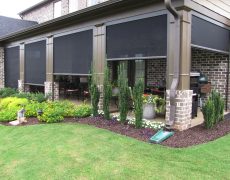
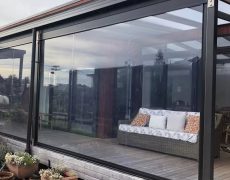
Exterior motorized screens can extend the same thinking to patios, outdoor kitchens, and commercial storefronts. They help manage low-angle sun, insects, and windblown debris while maintaining a more usable outdoor environment. Because exterior conditions are demanding, screen selection, fasteners, guides, and professional calibration deserve as much attention as the app used to control them.
Plan the system before the drywall is closed
The cleanest smart shade installations begin during design or renovation, not after furniture is in place. Prewiring can conceal power, eliminate the need for regular battery charging, and create a finished appearance that suits a premium interior. It is particularly valuable for tall windows, hard-to-reach openings, banks of shades, and commercial projects where access can be disruptive.
Battery-powered motors remain a strong option when wiring is impractical. They can be highly effective in finished homes and can preserve a clean look without opening walls. The trade-off is maintenance: charging frequency depends on shade size, fabric weight, daily use, and the motor system. Solar charging accessories may reduce hands-on charging in suitable locations, but they are not ideal for every window orientation or aesthetic.
A custom consultation should account for more than dimensions. It should consider recess depth, trim, window handles, door clearance, ceiling height, power access, network conditions, control preferences, and how the room is actually used. A shade that looks right in a product sample can perform poorly if the mounting position leaves light gaps or interferes with architectural details.
This is why precise measurement and installation are not secondary services. They are the foundation of consistent operation, especially when multiple shades need to align visually and move together in a scene.
Build automations around comfort, not novelty
The best smart-home automations are simple enough that everyone in the household uses them. Start with routines tied to predictable moments: morning, sunset, bedtime, movie time, and the hottest part of the afternoon. These schedules can deliver immediate comfort without requiring a phone or voice command.
Then add condition-based automation where it genuinely solves a problem. A temperature or sunlight sensor may help trigger solar shades in a sunroom. A door sensor can prevent a patio screen from operating when a door is open, depending on the chosen equipment and automation platform. Vacation routines can vary shade positions to support a lived-in appearance, but should be programmed carefully to avoid movement at inconvenient times.
Avoid overcomplicating the system with dozens of exceptions at the start. Homeowners should still have intuitive wall controls and easy manual app access. Automation should feel like a helpful background service, not a set of rules that fights the people using the room.
For builders, designers, and commercial decision-makers, documenting room names, groups, motor locations, and control logic is equally valuable. It makes handoff easier and gives future service teams a clear picture of how the system was intended to operate.
Professional integration protects the investment
Smart shade projects bring together custom fabrication, electrical planning, network configuration, smart-home pairing, and finish-level installation. When those pieces are handled separately, small gaps can become frustrating: a shade may be physically beautiful but grouped incorrectly in the app, or a reliable motor may be installed where it is difficult to service.
ShadeoTech approaches the project as one coordinated system, from precision measurement and Texas-based manufacturing to installation and smart-home setup. That matters for DFW properties where large windows, intense sun, and architectural details demand more than an off-the-shelf solution.
Matter compatibility is a meaningful step toward a more flexible smart home, but it should support the window treatment plan rather than dictate it. Select the fabric for the light you want to live with, choose power for the access and maintenance level you prefer, and confirm that the automation works with the ecosystem your household uses. When those decisions are made together, your shades can quietly make every bright Texas afternoon more comfortable.
