

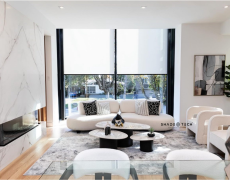

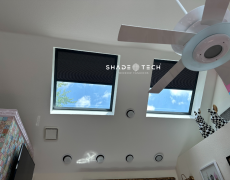


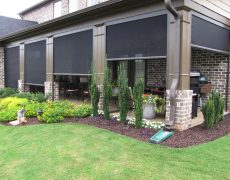

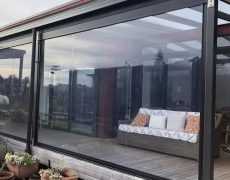



A west-facing Dallas living room can look spectacular at 5 p.m. and feel nearly unusable at the same time. The real question in the interior versus exterior screens decision is not which option is universally better. It is where solar control needs to happen, how the room is used, and whether the goal is refined light filtering, serious heat reduction, insect protection, or all three.
For North Texas homes and commercial spaces, the distinction matters. Glass absorbs and transmits solar energy differently than a shaded exterior opening. A carefully selected interior shade can transform glare and privacy inside a room, while an exterior screen stops a meaningful portion of the sun before it reaches the glass. The right choice often comes down to the exposure, the architecture, and the level of everyday convenience you expect.
Interior versus exterior screens: the core difference
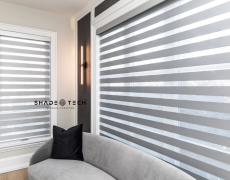
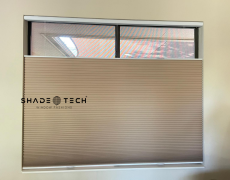
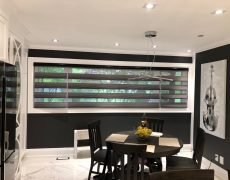
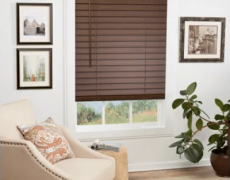
Interior screens are installed on the room side of a window or door. In most projects, this means solar roller shades, dual shades, or other custom window treatments that filter daylight through a technical fabric. They are visible as part of the interior design and can be specified in a broad range of colors, openness factors, hardware finishes, and motorization options.
Exterior screens mount outside the glazing or around an opening such as a patio, covered porch, outdoor kitchen, or pergola. They are engineered for weather exposure and typically travel in side tracks or guide systems that keep the fabric stable. Exterior screens can manage sun, windblown debris, insects, and visibility while preserving the openness of an outdoor area.
Both systems improve comfort. The difference is timing: interior shades manage the light after it passes through the glass, while exterior screens intercept it before it reaches the glass and interior surfaces.
When interior screens are the better investment
Interior solar shades are often the strongest choice for spaces where aesthetics, privacy, and smart-home control lead the conversation. They work especially well in living rooms, bedrooms, home offices, media rooms, clinics, conference rooms, and restaurant interiors where occupants need adjustable light without changing the exterior appearance of the building.
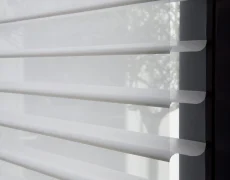
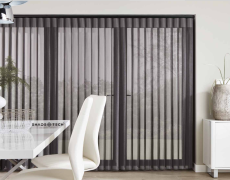
A solar fabric can reduce screen glare while maintaining a connection to the view. Openness matters here. A lower openness fabric provides more privacy and solar control, while a more open weave preserves a clearer outward view and brings in more daylight. There is no single right percentage. A bright west-facing office may need a tighter fabric than a north-facing breakfast room.
Interior systems also offer more design flexibility. A shade can disappear into a recessed pocket, align precisely across a wall of large contemporary windows, or provide a quiet architectural finish through a coordinated fascia. For bedrooms or street-facing rooms, pairing a solar shade with a blackout layer gives homeowners daytime view-through and nighttime privacy in one controlled system.
Motorization is where interior shades become particularly practical. Scheduled shades can lower before afternoon sun reaches the room, rise with a morning routine, or respond to commands through Alexa, Google Home, Apple HomeKit, or compatible Matter smart-home systems. For tall windows and hard-to-reach clerestory glass, automation is not a novelty. It makes a high-performance window treatment usable every day.
Interior shades do have a limitation: they cannot stop all heat from entering through the glass. They still improve comfort by cutting glare and reducing direct solar impact on furnishings, but a room with expansive, unshaded west-facing glass may benefit from exterior protection as well.
Where exterior screens deliver more performance
Exterior screens are designed for the conditions Dallas-Fort Worth property owners know well: intense summer sun, reflected heat, UV exposure, and outdoor spaces that can become uncomfortable long before the day is over. By shading the exterior plane, these systems reduce solar gain before it builds inside the glass and surrounding structure.
That makes exterior screens especially effective on patios, covered outdoor rooms, pool houses, large sliding-door openings, and sun-exposed commercial storefronts. Lowering a motorized screen at the edge of a covered patio can turn an exposed seating area into a more usable retreat, helping control glare and insects without closing the space off with permanent walls.
For restaurants, medical clinics, and hospitality settings, exterior screens can improve guest comfort while maintaining a clean, polished façade. They can help reduce harsh afternoon light at patio tables, protect waiting areas near large windows, and make flexible outdoor zones more dependable across the season.
Exterior systems require more attention to engineering than interior shades. The frame, fabric, mounting method, and guide system must match the opening and local exposure. A broad patio opening facing frequent wind is not the same as a protected side porch. Precise measurement and professional installation are essential, particularly when the goal is a smooth, quiet motorized operation and a finished appearance that complements the building.
Because they live outdoors, exterior screens should be built from materials selected for UV stability, weather resistance, and long-term tension. They also need reasonable care. Keeping tracks clear of debris and using the system appropriately during severe weather helps protect the investment.
Heat, glare, privacy, and views are not the same problem
Homeowners sometimes ask for “sun protection” as if it were one requirement. In practice, heat, glare, privacy, UV control, and view preservation can point to different products or fabrics.
If the main complaint is afternoon glare on a television or computer monitor, an interior solar shade may solve the problem beautifully. If the room also overheats because the sun strikes a large wall of glass for hours, exterior screens can make a more noticeable difference in solar heat management. If privacy is the priority after dark, an interior shade with a more opaque fabric or a layered blackout solution is usually the more direct answer.
Views require an honest conversation as well. Screen fabrics are not invisible. More openness typically means a better daytime view outward, but it also allows more light and heat through. Tighter fabrics increase shading and daytime privacy, although they soften the view. The best specification is the one that reflects how the space is actually used, not just how the fabric sample looks in a showroom.
The strongest projects often use both
For many high-performance homes, this is not an either-or decision. Exterior screens and interior shades can work together, each handling the task it does best.
Consider a contemporary home with a south-facing wall of sliding glass doors opening to a covered patio. Exterior motorized screens can manage the direct sun and insects at the patio perimeter. Inside, motorized solar shades can refine glare, add nighttime privacy, and create a consistent interior finish across adjacent fixed windows. The result is better comfort on both sides of the glass without sacrificing the open character that made the architecture appealing.
The same approach works in commercial settings. An exterior screen may protect a café patio or clinic entry from harsh sun, while interior roller shades give staff control over glare and privacy throughout the day. Connected automation can coordinate both systems based on schedules, occupancy, or simple voice commands.
Questions to settle before choosing a system
Start with the orientation of the opening. East and west exposures usually create the most demanding low-angle glare, while south-facing glass can receive prolonged direct sun. Then consider whether the screen will serve an indoor room, an outdoor living area, or a transition between the two.
Next, define what must remain visible. A homeowner may want to preserve a downtown view from the living room but block sightlines from a neighboring property in the bedroom. A restaurant may need patio visibility for ambiance while reducing glare for guests. Those are different design briefs, even if the openings face the same direction.
Finally, think about operation. A manually operated shade may be appropriate for an occasional-use room. For large openings, tall windows, busy family spaces, and commercial environments, motorization tends to deliver more consistent results because the system is easy to use when conditions change. The most effective screen is the one that is actually lowered before the sun becomes a problem.
Custom fit matters more than a catalog choice
Large glass walls, oversized doors, corner windows, and patio openings rarely respond well to off-the-shelf solutions. Fit affects light gaps, fabric alignment, track performance, visual symmetry, and the overall durability of the system. It also affects how well multiple shades move together when automation is part of the plan.
ShadeoTech approaches these installations as a measured, engineered finish rather than a retail accessory. Local manufacturing in Carrollton, professional installation, and smart-home setup allow each system to be tailored to the opening, fabric requirements, and daily routine of the property.
The best screen choice should make the space easier to enjoy at the exact hours it currently falls short. Whether that means a cooler patio for dinner, a glare-free office, or a living room that stays bright without feeling exposed, start with the problem at the glass and build the solution around how you live.
