

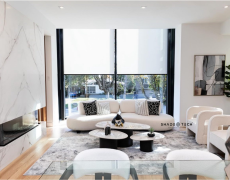
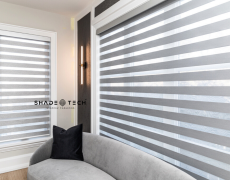
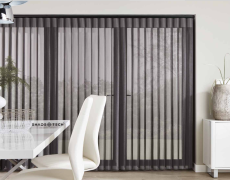
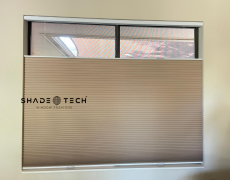

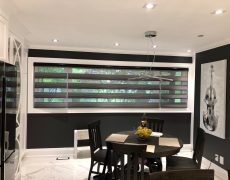
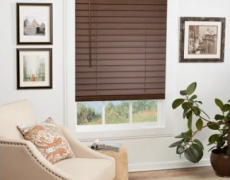
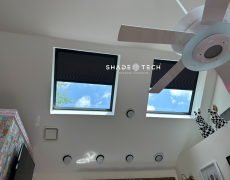


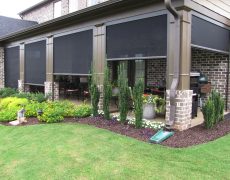

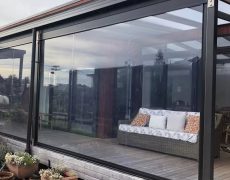



A west-facing Dallas living room can heat up quickly between lunch and sunset, especially when large windows are left uncovered. Learning how to automate window coverings turns that daily battle with glare, heat, and inconvenient cords into a system that responds on schedule, by voice, or according to conditions in the room.
For a custom home, clinic, restaurant, or commercial space, automation is more than a motor attached to a shade. The best result begins with the right covering, the right power plan, precise measurements, and controls that fit the way the space is actually used. A motorized roller shade for a two-story great room has different requirements than blackout shades in a bedroom or outdoor screens protecting a covered patio.
Start With the Purpose of Each Window
Before choosing a motor or smart-home platform, define what each window covering needs to accomplish. In North Texas, solar control is often the priority. Direct sun can fade flooring and furniture, raise cooling demand, and make televisions or computer screens difficult to see. In bedrooms, privacy and light blocking may matter more. In a restaurant or medical clinic, staff may need to adjust an entire bank of shades quickly without interrupting service or patient care.
This decision shapes the fabric, opacity, and product type. Solar screen shades preserve outward views while softening glare and filtering UV exposure. Room-darkening and blackout shades support sleep, media rooms, and treatment rooms. Motorized drapery adds a tailored finish and can pair with shades for more complete light control. Plantation shutters can also be motorized in select applications, though large, high windows often favor shades because they offer cleaner automation and a more compact profile.
Automation works best when it solves a real, repeatable problem. If one window receives harsh afternoon sun, a timed schedule may be enough. If conditions change throughout the day, a scene controlled by sun position, temperature, or occupancy can be more useful.
Choose a Motorized System That Fits the Installation
The primary choice is how the motor receives power. Hardwired motors are typically the strongest long-term option for new construction, major renovations, and large groups of shades. Low-voltage wiring can be planned before drywall is installed, leaving no need for battery changes and maintaining a clean appearance around expansive window walls.
Battery-powered motors are an excellent option for finished homes where running wire through walls would be disruptive. Modern rechargeable battery systems can operate for months between charges, depending on shade size, fabric weight, and daily use. They are especially practical for standard-size windows, guest rooms, and retrofit projects. The trade-off is simple: someone must recharge them periodically.
Solar charging can extend the time between charges on suitable windows, but it depends on adequate sunlight and panel placement. It is not the right answer for every interior window, particularly those with limited exposure or heavy exterior shading.
For very large shades, tall windows, or frequently operated commercial applications, hardwired power is usually the more dependable recommendation. A professional consultation should account for motor capacity, shade weight, access to power, and the location of each control component before fabrication begins.
Why Measurement Matters More With Automation
A manual shade can sometimes tolerate small fit issues. A motorized shade with an imperfectly measured opening may not operate as intended, may allow too much light around the edges, or may fail to align with neighboring shades. On wide contemporary windows, even a small difference in hem-bar height is noticeable.
Custom manufacturing allows every shade to be built around the actual opening, mounting depth, fabric selection, and desired light gap. That level of precision also matters when multiple shades are grouped together. A wall of shades should raise, lower, and stop at a consistent line, whether controlled individually or as one room scene.
Add the Right Control Method
A well-designed automated window covering system should be easy to use without requiring everyone in the home or building to open an app. Wall-mounted keypads and handheld remotes offer straightforward, reliable control. They are particularly useful for guests, children, staff members, and anyone who wants a single-button solution.
Smart-home integration adds flexibility. Depending on the motor and control system selected, shades can work with Alexa, Google Home, Apple HomeKit, and Matter-enabled ecosystems. Voice control is convenient for hard-to-reach windows, but it should complement physical controls rather than replace them entirely.
The smart-home app is where automation becomes more tailored. You can create rooms, name individual shades, group coverings by floor, and build scenes around daily routines. For example, a “Good Morning” scene can raise bedroom shades gradually while lowering solar shades in the sunniest areas of the home. A “Movie Time” scene can close media-room blackout shades and reduce glare with one command.
Commercial projects benefit from grouping as well. A restaurant can lower all west-facing shades before the dinner rush. A clinic can create separate scenes for reception, exam rooms, and staff areas. The goal is operational consistency, not added complexity.
How to Automate Window Coverings With Schedules and Scenes
Schedules are the simplest form of smart shading, and they often provide the biggest daily benefit. Program bedroom shades to open at a preferred wake-up time, then close them after sunset for privacy. Schedule shades on heat-exposed windows to lower before direct afternoon sun reaches the room rather than waiting until the space is already uncomfortable.
Scenes allow several actions to happen together. A practical whole-home setup might include these routines:
- A morning scene that opens bedroom shades and raises common-area coverings.
- An away scene that lowers sun-facing shades to help limit heat gain and protect interiors from UV exposure.
- An evening privacy scene that closes street-facing shades and drapery.
- A patio scene that lowers motorized outdoor screens when glare, insects, or low-angle sun affect the space.
Keep the first set of automations simple. Run them for a week or two, then adjust timing based on how sunlight moves across the property. A schedule that works in winter may need revision during a Dallas summer, when sun intensity and cooling demands are much higher.
Some systems can also use sensors or smart-home triggers. A light sensor may lower shades when solar exposure reaches a set threshold, while a temperature-based automation can support comfort in rooms that run hot. These features are valuable, but they require thoughtful programming. If settings are too aggressive, shades may move more often than occupants prefer. For most homes, a combination of dependable schedules and a few purposeful scenes provides the best balance.
Plan for Wi-Fi, Hubs, and Reliability
Not every motorized shade communicates the same way. Some use radio-frequency remotes, while others connect through a dedicated hub that links shades to your home network and smart-home platform. A hub is often necessary for app control, voice assistants, and schedules across multiple rooms.
Reliable Wi-Fi coverage matters, especially in larger homes with detached outdoor living areas, thick walls, or equipment closets far from the windows. During planning, identify weak-signal areas and determine where the hub or bridge should sit. A professional installer can also confirm that motors, remotes, and smart-home controls are paired correctly before the project is complete.
This is one reason a fragmented retail purchase can create frustration. Buying shades, motors, a hub, and installation separately may leave the homeowner responsible for compatibility and troubleshooting. A full-service approach covers product selection, measurements, local fabrication, installation, and system setup as one coordinated project.
Know When Professional Installation Is Worth It
A single battery-powered shade on a standard window can be a reasonable do-it-yourself project for an experienced homeowner. The situation changes with high ceilings, oversized openings, hardwired motors, multi-room automation, or exterior screen systems. Those projects involve mounting structure, electrical planning, shade alignment, programming, and safety considerations.
Professional installation is also valuable when appearance is central to the project. Custom brackets, concealed wiring options, matching fascia, and clean fabric alignment create the finished look expected in a well-designed home or commercial setting. ShadeoTech manufactures and installs custom solutions locally in the Dallas area, allowing the system to be tailored for the window, the climate, and the technology already in place.
The most effective automated window coverings feel almost invisible in daily life. They lower before a room overheats, protect interiors when the sun shifts, and provide privacy at the right moment without a homeowner having to cross the room or reach for a cord. Start with the windows that create the greatest discomfort, then build an automation plan that makes those spaces easier to live and work in.
