

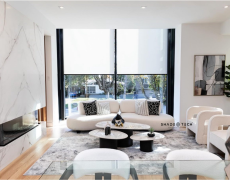







A west-facing wall of glass can make a Dallas living room beautiful at 8 a.m. and nearly unusable by 4 p.m. The right shading system changes that experience without covering up the architecture. Understanding how factory direct shades work helps homeowners see why a custom, locally managed project often performs differently from a retail shade purchase.
Factory direct does not mean selecting a generic shade from a warehouse and hoping it fits. At its best, it means the team responsible for design guidance, measurement, fabrication, installation, and automation works within one connected process. That structure gives homeowners more control over fit, fabric, motorization, and final performance while reducing the layers that can add cost and confusion.
How Factory Direct Shades Work From Consultation to Installation
The process starts with the room, not a catalog. A qualified consultant looks at window dimensions, sun exposure, privacy requirements, ceiling height, trim details, and how the space is used. In North Texas, direct afternoon sun, high UV exposure, and substantial cooling loads often drive the recommendation as much as color or style.
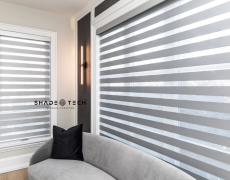
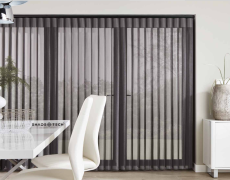
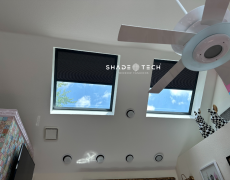
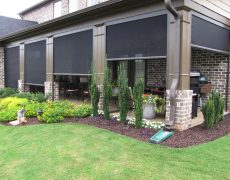
A media room may need blackout roller shades that close on command. A kitchen with expansive windows may benefit from solar shades that preserve the view while managing glare and heat. A bedroom can call for a dual-shade system, pairing a light-filtering fabric with a room-darkening layer. For patios and outdoor living areas, motorized exterior screens can reduce harsh sunlight and insects while maintaining an open feel.
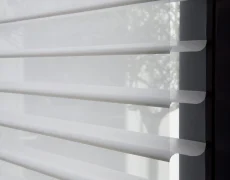
This consultation should also address the practical decisions that affect performance. Openness factor, for example, determines how much of the view and daylight remain visible through a solar fabric. A lower openness factor offers stronger privacy and solar control but a less transparent view. A higher openness factor preserves more visibility but may not be the right answer for a highly exposed west-facing room.
Precision Measurement Comes Before Manufacturing
Custom shades are only as good as the measurements behind them. Factory-direct providers measure the actual installation conditions, including window recess depth, mounting surface, trim clearance, obstructions, and the small variations that are common in large contemporary window layouts.
Those details matter. A shade mounted inside a shallow window recess may require a different bracket or product configuration than one mounted above the opening. Motorized systems need appropriate clearance for the roller tube, brackets, and wiring or charging access. A professional measurement visit identifies these constraints before fabrication, when they are still easy to solve.
For commercial projects, the same discipline applies at a larger scale. Clinics may need privacy and glare control in treatment rooms. Restaurants often need shades that can manage changing daylight across a dining room while standing up to frequent daily operation. Builders and contractors need products specified accurately so window treatments align with finished trim, electrical plans, and occupancy schedules.
Local Fabrication Turns Specifications Into a System
Once measurements and selections are approved, the specifications move into manufacturing. The fabric is cut to the required width, the roller or shade components are assembled, and the control system is matched to the product. Depending on the application, that may include a manual clutch, a rechargeable battery motor, a hardwired motor, or a low-voltage motor connected to a home automation system.
This is where local factory control makes a real difference. The manufacturer can verify the production details against the field measurements and coordinate directly with the installation team. If an unusual opening, oversized shade, or specialized mounting condition needs attention, the people making the product are not separated from the people expected to install it.
At ShadeoTech, local manufacturing in Carrollton supports this hands-on quality control while allowing custom systems to be built for the realities of Dallas-Fort Worth homes and commercial spaces. It also gives customers a clearer line of accountability than a multi-party retail transaction.
Where the Factory-Direct Value Comes From
Traditional window-covering purchases can involve several layers: a manufacturer, distributor, showroom, retail seller, independent installer, and sometimes a separate smart-home integrator. Every layer may serve a purpose, but each can add margin, handoffs, and opportunities for miscommunication.
A factory-direct model reduces those handoffs. The same organization can coordinate product selection, fabrication, installation, and smart-home programming. This does not mean every factory-direct shade will be inexpensive. Premium fabrics, large openings, dual-shade systems, architectural hardware, and motorization all affect the final investment. What it does mean is that more of the budget can go toward the product, craftsmanship, and service rather than duplicate retail overhead.
The value is especially clear when a project includes automation. Buying a motor online may appear less expensive at first, but it leaves the homeowner to confirm sizing, power requirements, bracket placement, fabric selection, pairing, and troubleshooting. A professionally managed project accounts for those details before the shade arrives at the window.
Motorization Is More Than a Remote Control
Motorized shades are often chosen for convenience, but their strongest benefit is consistency. A shade that lowers automatically during the hottest part of the afternoon is more likely to reduce glare and solar heat gain every day than one that depends on someone remembering to adjust it.
For a large great room, one scene can lower solar shades when direct sun reaches the glass, then raise them in the evening to restore the view. In bedrooms, blackout shades can close at a scheduled time and open gradually in the morning. On a patio, exterior screens can be controlled individually or grouped for entertaining.
Integration should fit the property, rather than force the property into one ecosystem. Depending on the selected system, motorized shades can work with Alexa, Google Home, Apple HomeKit, and Matter-enabled smart-home platforms. The best setup considers Wi-Fi coverage, power availability, existing control systems, and how the occupants actually use the space.
Battery-powered motors can be an excellent solution for finished homes where running wires would disturb walls or trim. Hardwired and low-voltage options are often preferable for new construction, major renovations, or high-use commercial environments because they avoid charging routines and support long-term operation. Neither choice is universally better. The right option depends on the building and the shade plan.
Installation Is the Final Quality Check
Professional installation is not a delivery step. It is the moment when the manufacturing plan meets the actual window. Installers confirm bracket placement, level the shade, set limits so the fabric raises and lowers correctly, and verify that the shade clears handles, moldings, and adjacent treatments.
For motorized systems, installation also includes pairing controls, programming groups and scenes, and testing operation. If a client wants shades to respond to voice commands or run on a daily schedule, those functions should be demonstrated before the project is complete. A polished result means the system looks intentional and works without requiring a manual every time someone wants shade.
This last stage matters for durability as well. A correctly mounted shade rolls evenly, operates within its designed limits, and places less strain on motors and components. It is one reason custom window treatments should be evaluated as a complete service, not just as a piece of fabric with a price tag.
When Factory Direct Is the Right Choice
Factory direct is most valuable when the project has meaningful performance or design requirements. Large windows, difficult sun exposure, smart-home integration, high ceilings, custom finishes, and coordinated whole-home projects benefit from a single accountable team. It is also a strong fit for businesses that need consistent appearance, dependable operation, and a clear installation plan across multiple openings.
For a simple, standard-size window in a low-priority room, an off-the-shelf option may be enough. But when comfort, privacy, architectural fit, and automation matter, the differences become visible quickly. The right custom shade should feel like part of the home or business from the first day, quietly controlling light and heat exactly when it is needed.
