

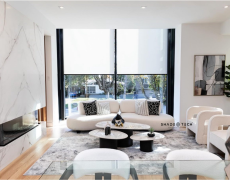
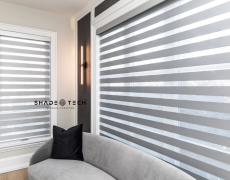
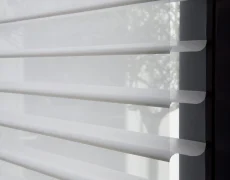
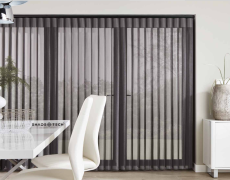







A west-facing living room in Dallas can go from beautifully bright to uncomfortably hot in a single afternoon. For homeowners with expansive glass, high ceilings, and open-concept layouts, the future of automated window coverings is not about adding another smart-home novelty. It is about making sunlight, privacy, temperature, and design work together with less daily effort.
Motorized shades and blinds have already changed the basic routine: press a button, use an app, or ask a voice assistant to adjust a room. The next generation goes further. It uses better motors, more refined fabrics, smarter schedules, and stronger interoperability to create window treatments that respond naturally to how a property is used.
Automation Is Moving From Remote Control to Real Control
Early motorized window coverings solved a simple problem: hard-to-reach windows. That remains valuable, particularly for clerestory windows, stairwells, and large contemporary glass walls. But the real opportunity is automated behavior that removes repetitive decisions without taking control away from the owner.
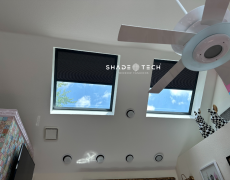
A well-programmed shade system can lower solar shades before direct afternoon sun reaches a media room, raise them at a preferred wake-up time, and close bedroom treatments automatically at night. The homeowner can still make an adjustment at any point, but the home handles the routine conditions in the background.
This distinction matters. Automation should feel useful rather than performative. A shade that moves at the wrong moment, makes unnecessary noise, or requires three different apps is not a premium upgrade. A system that reliably protects furnishings, keeps glare off a screen, and supports the household schedule is.
The Future of Automated Window Coverings Is More Connected
The future of automated window coverings will be shaped by compatibility as much as by the shades themselves. Homeowners should not have to choose between a beautiful custom treatment and a connected home. Modern motor systems can integrate with Alexa, Google Home, Apple HomeKit, and, increasingly, Matter-enabled smart-home ecosystems.
Matter is especially relevant because it is designed to improve communication among devices from different manufacturers. Its adoption does not mean every product works identically or every advanced feature transfers automatically. It does, however, point toward a less fragmented smart-home experience, where window coverings can participate in broader scenes and automations.
For example, a “Good Morning” scene may raise bedroom shades, adjust lighting, and set a preferred temperature. A “Movie Night” scene may lower blackout roller shades, dim the lights, and reduce reflections across a large television. In commercial environments, opening and closing schedules can support operating hours, presentation spaces, patient privacy, and energy-conscious facility management.
The key is planning the system before installation. Reliable automation depends on motor selection, power access, Wi-Fi or smart-home hub design, window orientation, and how the occupants actually use the room. Professional setup turns a collection of connected products into a system with a purpose.
Better Sensors Will Deliver More Useful Comfort
Timers remain practical, but sensor-driven automation is where window coverings become more responsive. Light sensors can trigger shades based on brightness. Temperature data can support heat-control strategies. Door, occupancy, and security inputs may also influence whether treatments raise, lower, or hold their position.
There is a trade-off. Fully automated sensor rules can become annoying when they are too aggressive. A bright winter morning may be welcome in one room and disruptive in another. A home office may need glare reduction during work hours, while a breakfast area benefits from open views. The best systems use sensor data as one input alongside schedules, room purpose, and manual preferences.
For North Texas homes, solar management is particularly valuable. Exterior temperatures, intense UV exposure, and long periods of direct sun can create uneven comfort from room to room. Solar roller shades, layered with decorative drapery or paired with insulated cellular shades where appropriate, can reduce glare and help manage heat gain while preserving daylight and views.
Energy Performance Will Become a Design Requirement
Window coverings cannot replace efficient glazing, insulation, or properly sized HVAC equipment. Still, they are one of the most immediate ways to manage solar heat and light after a home is built. Automated operation improves the value of that performance because treatments are more likely to be used consistently.
A manually operated shade only helps when someone remembers to close it. Automated schedules can lower treatments during predictable high-sun periods and reopen them when direct exposure decreases. This can make upper-floor bedrooms, west-facing family rooms, and glass-heavy kitchens feel more comfortable without leaving the house dark all day.
Fabric and construction will matter even more. Openness factor, color, backing, insulation, and mounting details all affect privacy, glare control, and solar performance. A dark solar fabric may preserve an outward view well, while a lighter fabric can reflect more light. Blackout treatments provide stronger room darkening, but they are not always the best answer for a main living space where daylight is desirable.
That is why custom consultation remains essential. The right solution may be a dual-shade system with a light-filtering or solar layer for daytime and a blackout layer for evenings. It may be plantation shutters in a traditional space, motorized woven shades for a softer architectural look, or exterior screens that stop sunlight before it reaches the glass.
Design Will Look Quieter, Not More Technical
As automation improves, the visible hardware is becoming less of the story. Homeowners increasingly want clean lines, concealed rollers, tailored fascia, quiet motors, and treatments that complement the architecture instead of competing with it. The goal is not to make every window look like a gadget. It is to make a room work better while maintaining a finished, intentional appearance.
This is especially relevant in Dallas-Fort Worth homes with large windows and open sightlines. A poorly fitted ready-made shade can look undersized, leak light, and interrupt the visual rhythm of a room. Custom manufacturing allows for precise dimensions, coordinated fabrics, and mounting choices that account for trim, recess depth, mullions, and unusually wide spans.
For builders and designers, specifying motorized window coverings earlier in the project also creates better outcomes. Power can be planned before drywall closes, pockets can be built into ceilings for concealed shades, and control locations can be considered alongside lighting and AV systems. Battery-powered options remain useful for renovations and windows without nearby power, but hardwired solutions can be the stronger choice for large projects, frequently used shades, and long-term convenience.
Outdoor Automation Will Expand the Living Area
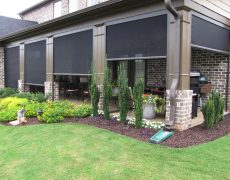
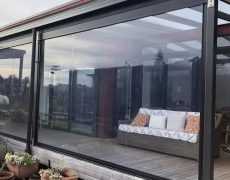
The same forces changing interior shades are improving outdoor screens. Motorized exterior screens can help manage low-angle sun, insects, wind, and privacy on patios, covered outdoor kitchens, and restaurant dining areas. In the Texas climate, they can make a shaded outdoor area more usable during more hours of the year.
Outdoor applications require more than an interior motor adapted for the patio. The screen fabric, side retention, housing, wind considerations, and electrical planning must suit the exposure. A professional assessment is particularly important for wide openings and properties that experience strong wind or driving rain.
For hospitality and commercial clients, automated screens also support operational flexibility. A restaurant can adjust a patio for sun conditions or evening privacy. A clinic can use coordinated treatments to create a calm, professional environment while protecting interiors from glare. The benefit is not simply automation. It is a more controlled guest, patient, or customer experience.
The Best Systems Will Still Be Custom-Built
Technology is advancing quickly, but the fundamentals are not changing: windows vary, homes vary, and owners have different expectations for light, privacy, and design. Off-the-shelf motorized shades can be appropriate for a limited budget or a single low-priority room. They are rarely the best fit for a whole-home project where dimensions, integration, and finish quality matter.
A full-service approach addresses the details that determine long-term satisfaction: precision measurement, fabric selection, motor and power planning, local manufacturing, professional installation, and smart-home programming. ShadeoTech brings those pieces together for Dallas-area projects, with custom solutions built for North Texas sun and installed as part of the home rather than added as an afterthought.
The most useful next step is to look at the rooms that create the most friction: the bedroom that overheats, the TV room with afternoon glare, the patio that sits empty during the brightest hours, or the tall windows that are never adjusted. Those are the places where thoughtfully automated window coverings can make a visible difference every day.
