

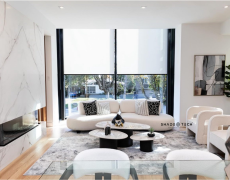







A sunroom can be the brightest room in the house and the least comfortable one by midafternoon. In North Texas, direct sun through broad glass panels can drive up room temperature, wash out screens, fade furniture, and create glare that makes the space harder to use. The right essential shades for sunrooms turn that glass-heavy room into a place you can enjoy through every season, not only when the weather cooperates.
The best solution is rarely a standard, off-the-shelf blind. Sunrooms often have oversized windows, unusual angles, patio-facing doors, or high transoms that require precise measurement and thoughtful control. A custom shade plan balances heat reduction, UV protection, privacy, view preservation, and the way your household actually uses the room.
What Sunroom Shades Need to Solve
Sunroom window treatments have a tougher job than shades in a bedroom or dining room. They must manage solar heat before it makes the room uncomfortable, while still allowing enough natural light to retain the open feeling that makes a sunroom appealing.
For Dallas-Fort Worth homes, the largest considerations are usually western exposure, afternoon glare, and UV damage. A shade that looks beautiful but provides minimal solar control may not solve the reason you need it. On the other hand, a completely opaque treatment can make the room feel closed off when a filtered view would be more useful.
A well-designed system should address four practical needs:
- Solar heat and glare control during peak daylight hours
- UV protection for flooring, upholstery, artwork, and wood finishes
- Privacy after dark, especially on windows facing neighbors or outdoor living areas
- Easy operation across wide, tall, or hard-to-reach openings
The priority changes from home to home. A sunroom used as a home office may need superior glare management for monitors. A room that opens to a pool or landscaped yard may put more value on preserving the view. The right fabric, opacity, and control method should follow those priorities.
The Most Essential Shades for Sunrooms
Solar roller shades for heat and view control
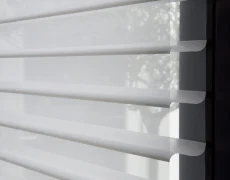
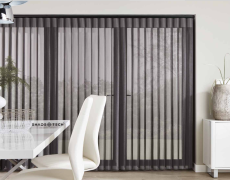
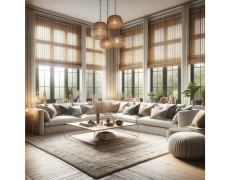
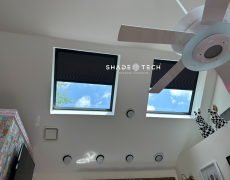
Solar roller shades are often the strongest starting point for sunrooms because they reduce glare and filter UV rays without eliminating daylight. Their performance depends heavily on fabric openness, which refers to how tightly the material is woven.
A lower openness factor provides more privacy and stronger glare control, but it limits visibility to the outdoors. A higher openness factor keeps the view clearer and admits more light, though it may not be enough for intense west-facing glass. For many sunrooms, a 3% to 5% openness fabric offers a useful middle ground: enough view-through for daytime enjoyment with meaningful protection from harsh sun.
Color matters, too. Darker solar fabrics tend to preserve outward visibility better during the day, while lighter colors can create a brighter interior appearance and help reflect more light. The ideal choice depends on the room orientation, interior palette, and whether visibility or brightness is the higher priority.
Dual shades for day-to-night flexibility
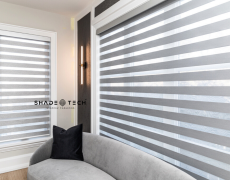
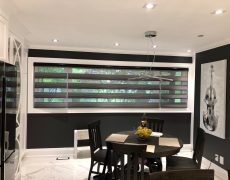
A single fabric cannot always do every job. Dual shades pair a solar screen with a room-darkening or blackout layer in one coordinated system. During the day, the solar fabric protects the space from glare and heat while maintaining a connection to the outdoors. In the evening, the secondary layer provides privacy and a more enclosed feel.
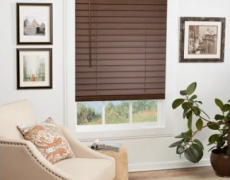
This arrangement works especially well for sunrooms used as media rooms, guest spaces, or entertaining areas. It also gives homeowners more control than a traditional blind, where tilting slats can still leave scattered glare and visible gaps.
Cellular shades for insulating performance
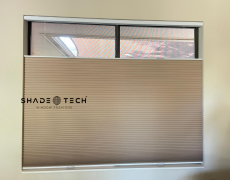
Cellular shades are a practical option when the sunroom feels too warm in summer and noticeably cool near the windows in winter. Their honeycomb-shaped construction creates air pockets that add insulation at the glass, helping moderate temperature swings.
They are particularly useful on standard rectangular windows where a softer, more insulating look suits the design. Cellular shades do not typically preserve an outdoor view in the same way solar roller shades do, so they are best for homeowners who value thermal performance and privacy over open sightlines.
For a sunroom that serves as a reading room, breakfast area, or quiet retreat, that trade-off can be worthwhile. For a room built around a dramatic backyard view, solar shades or a layered solution may be the better fit.
Exterior screens for the toughest exposures
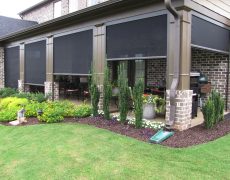
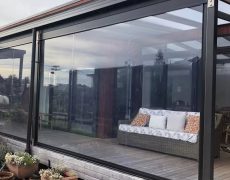
When the sunroom has large openings, retractable glass walls, or an adjacent covered patio that receives relentless afternoon sun, exterior screens deserve consideration. By stopping a portion of solar energy before it reaches the glass, exterior shading can reduce the load placed on interior shades and air conditioning.
Exterior screens are especially effective for west- and southwest-facing exposures. They can also provide daytime privacy, bug control, and wind resistance depending on the screen system and installation conditions. Because these products are exposed to weather, precise fabrication, durable components, and professional mounting matter more than they do with an interior shade.
Why Motorization Makes a Bigger Difference in Sunrooms
A manually operated shade is only effective when someone remembers to use it. In a sunroom with numerous windows, tall glass, or changing sun angles, that can become a daily chore. Motorized shades make consistent solar management far more realistic.
With scheduled automation, shades can lower before the strongest afternoon sun reaches the room and raise again as the light softens. This helps protect furnishings even when the house is empty. It also reduces the need to walk from window to window adjusting treatments throughout the day.
Smart shade systems can be controlled with remotes, wall-mounted controls, phone apps, and compatible Alexa, Google Home, Apple HomeKit, and Matter-enabled systems. A homeowner might set a “Good Morning” scene that raises shades gradually, then use an “Away” scene that lowers sun-facing treatments for UV protection and heat control.
Automation should feel dependable rather than complicated. That is why design, electrical planning, motor selection, and smart-home setup should be considered together, particularly in renovations and new construction. Hardwired motors can be an excellent choice where wiring is available, while rechargeable battery systems can provide a clean solution for finished spaces where opening walls is not practical.
Fabric and Fit Matter as Much as the Shade Type
Even the right shade category can disappoint if the fabric or fit is wrong. A narrow roller shade on a broad expanse of glass may leave excessive light gaps. A fabric selected only for color may offer less glare reduction than the room requires. Large shades also need correctly sized tubes, brackets, and motors to operate smoothly over time.
Custom fabrication allows the treatment to match the actual dimensions and conditions of each opening. That is particularly valuable for contemporary homes with expansive glazing, corner windows, French doors, and tall panels. Accurate measurements help create a cleaner finished appearance while improving light control at the edges.
For sunrooms, consider the effect of every material under direct UV exposure. Premium performance fabrics are made to withstand strong sunlight, but no window treatment is entirely immune to years of heat and exposure. Choosing quality materials and matching them to the room’s orientation supports a longer-lasting result.
A Better Way to Plan Essential Shades for Sunrooms
Start by observing how sunlight moves through the room for several days. Note when glare hits seating areas, whether the floor becomes hot, and which windows create the biggest comfort problem. Also consider what happens after dark. If the room faces a neighbor, backyard path, or street, nighttime privacy may need to be part of the design from the start.
Then decide which function matters most for each elevation. You may want solar roller shades on view-facing windows, a dual-shade system on the media wall, and insulated cellular shades on less visible side windows. A tailored mix often performs better than forcing one product across every opening.
Professional measurement is the final step that protects the investment. At ShadeoTech, local Texas manufacturing and installation allow every shade system to be specified around the window, the exposure, and the smart-home goals rather than a retail shelf size.
A sunroom should not be a room you avoid from 2 to 6 p.m. With the right fabric, custom fit, and automated control, it can remain bright, protected, and comfortable when Texas sunlight is at its strongest.
