


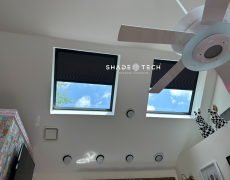


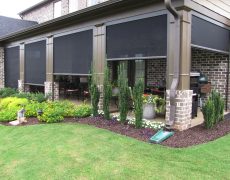

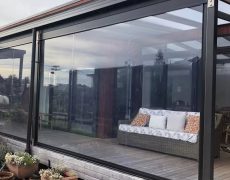



A Dallas sunroom can be spectacular at 9 a.m. and nearly unusable by 3 p.m. Intense direct sun, wide glass panels, and North Texas heat create a unique design challenge: preserving the view and daylight without accepting glare, fading furnishings, and costly heat gain. The best window treatments for sunrooms do more than decorate the glass. They control solar exposure with precision while fitting the architecture of the room.
For most sunrooms, the right answer is not simply the darkest shade or the most decorative blind. It depends on window orientation, how the room is used, the size and shape of the openings, and whether homeowners want automated control throughout the day. A custom system gives each window the level of protection it actually needs.
What a Sunroom Window Treatment Must Do
Sunrooms place greater demands on window coverings than a typical bedroom or living room. Glass captures solar heat quickly, especially on south- and west-facing exposures. At the same time, a sunroom is often designed around its connection to the outdoors, so blocking every view with heavy materials defeats the purpose.
The strongest solutions balance five performance needs: heat reduction, glare control, UV protection, privacy, and visual consistency across a wall of windows. Motorization becomes particularly valuable here because sun conditions change constantly. A shade position that feels right during morning coffee may not work when afternoon sun reaches the seating area.
Custom measurement is equally important. Large contemporary windows, transoms, corner glass, and doors require treatments that align cleanly and operate reliably. Small gaps or poorly fitted products can undermine both appearance and solar performance.
Best Window Treatments for Sunrooms: Top Options
Solar Shades for View-First Sunrooms
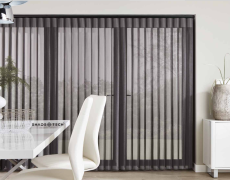
Solar shades are often the leading choice for sunrooms with expansive views. Their technical fabrics filter sunlight while preserving an outward view during daylight hours. The key specification is openness factor, which describes how tightly the fabric is woven.
A lower openness factor, such as 1% or 3%, provides stronger glare reduction and greater daytime privacy but delivers a more filtered view. A 5% or 10% fabric keeps the view more open and can suit a shaded exposure, although it allows more light and heat into the room. In Dallas, west-facing sunrooms usually benefit from a tighter weave than a north-facing space.
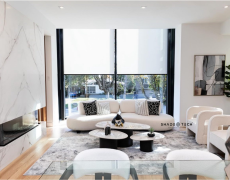
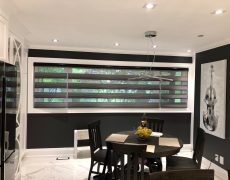
Solar shades also offer a clean, minimal profile that works well with modern architecture. They can cover oversized windows without the visual interruption of multiple slats or louvers. For rooms used as lounges, offices, or dining spaces, they are an effective way to reduce screen glare and protect flooring, artwork, and upholstery from UV exposure.
Their limitation is nighttime privacy. When lights are on indoors, solar shade fabrics do not provide the same privacy as opaque materials. Many homeowners address this with a dual-shade system that pairs a solar fabric with a room-darkening or privacy liner.
Cellular Shades for Heat Control
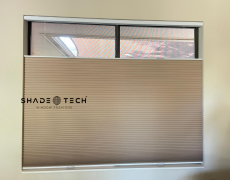
Cellular shades are engineered with air pockets that add insulation at the window. They are a strong option for homeowners whose top concern is reducing heat gain and improving year-round comfort. In a sunroom that becomes difficult to cool each afternoon, the insulating structure can make a meaningful difference.
They are available in light-filtering and blackout fabrics, with top-down/bottom-up configurations for more precise privacy and daylight control. This is useful when the lower portion of a window faces a neighboring property but the upper glass still offers desirable sky views.
The trade-off is aesthetic and functional. Cellular shades obscure the view when lowered, so they may not be the best choice for a sunroom built around a lake, garden, or skyline. They also require careful product selection for very large windows, where fabric weight and span can affect operation. Custom fabrication and professional installation matter most in these applications.
Motorized Roller Shades for Large Glass Walls
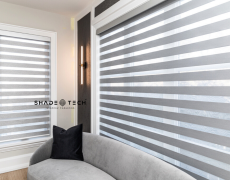
Motorized roller shades are a premium, highly adaptable solution for wide windows, sliding doors, and tall sunroom glass. Depending on the fabric selected, they can function as solar shades, light-filtering shades, or room-darkening shades. Their simple construction creates a refined appearance, especially in contemporary homes.
Automation is where roller shades become especially practical. Instead of manually adjusting several shades as sunlight moves across the room, homeowners can set schedules by time of day, create scenes, or use voice control. For example, shades can lower automatically on west-facing windows before peak afternoon heat, then raise in the evening to restore the view.
Systems can be integrated with Alexa, Google Home, Apple HomeKit, and Matter-enabled smart-home environments, depending on the motor and control platform. Battery-powered motors are useful where wiring is impractical, while hardwired systems are often preferred for new construction and major remodels because they reduce ongoing battery maintenance.
For a polished result, consider recessed pockets, fascia options, and fabric coordination across adjacent rooms. These details keep a large shading system from looking like an afterthought.
Plantation Shutters for Architectural Character
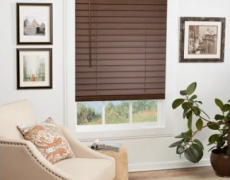
Plantation shutters deliver durable light control and a built-in architectural look. Their adjustable louvers allow homeowners to redirect sunlight, reduce glare, and maintain some airflow and filtered daylight. They are particularly well suited to traditional, transitional, and Mediterranean-style homes.
For sunrooms, material selection is critical. Wood shutters can be beautiful in climate-controlled rooms, but engineered or composite options may be more appropriate in areas that experience major temperature swings, humidity, or proximity to a pool. High-quality shutters should be specified for the actual environment, not just the desired appearance.
Shutters do have limits on very large expanses of glass and may interrupt a panoramic view more than a rolling shade. They are usually best for standard-sized windows, French doors, or sunrooms where architectural detail takes priority over a completely open view.
Woven Shades for Soft, Designed Light
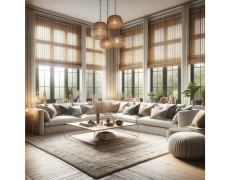
Woven wood and natural-fiber shades can make a sunroom feel warmer and more tailored. They diffuse harsh sunlight and add texture that works especially well in casual luxury interiors, garden rooms, and transitional homes. A privacy liner can improve nighttime coverage and increase light control.
However, woven shades are not the most technical answer for severe heat or persistent glare. Their performance depends greatly on weave density and lining. They are best considered when design is a major priority and the sunroom does not receive the most punishing west exposure, or when paired with an additional solar-control layer.
When Motorization Is Worth It
Motorization is not just a convenience upgrade in a sunroom. It makes high-performance shading more likely to be used correctly. If a window covering is difficult to reach, heavy to operate, or spread across multiple windows, it often stays in one position all day. That means less comfort when sun conditions change.
Automated shades can respond to a predictable routine. Schedule them to lower before the room heats up, raise after the strongest exposure passes, or close at sunset for privacy. For homeowners with high ceilings, furniture in front of windows, or a full wall of glass, automation removes the daily friction from managing the room.
A professionally designed system should account for motor access, charging or wiring needs, fabric weight, shade width, and control preferences before installation. This is where a made-to-measure approach provides better long-term reliability than an off-the-shelf product.
How to Choose for Your Specific Sunroom
Start with the sun, not the color palette. A west-facing room usually needs aggressive solar control, while a north-facing sunroom may need only soft glare management. South-facing glass benefits from treatments that can modulate light throughout the day. Consider what happens at the hottest time of year, not only how the windows look during a showroom visit.
Next, define the room’s primary job. A sunroom used for entertaining may favor view-preserving solar shades. A home office may need tighter fabrics to reduce monitor glare. A space used for guest sleeping, media viewing, or privacy may require a dual-shade setup or a more opaque treatment.
Finally, plan for the full window wall. Matching fabrics, consistent mounting heights, and properly sized shade systems create the finished look that large glass deserves. ShadeoTech manufactures and installs custom treatments locally in Texas, allowing sunroom systems to be specified for the actual dimensions, exposure, and smart-home requirements of Dallas-Fort Worth homes.
The right sunroom treatment should let the room feel bright by choice, not bright by force. When the afternoon sun becomes something you manage automatically rather than endure, that glass room can remain one of the most comfortable places in the house.
