

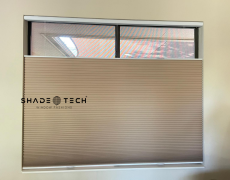

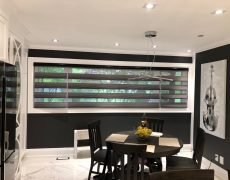






A west-facing living room in Dallas can feel noticeably warmer than the rest of the house by late afternoon, even when the thermostat is working hard. So, do cellular shades insulate windows? Yes. Their honeycomb-shaped air pockets create a thermal buffer between the glass and the room, helping reduce heat gain in summer and heat loss during cooler weather.
That said, not every cellular shade delivers the same result. Fabric construction, cell size, mounting method, window shape, and how closely the shade fits the opening all affect real-world performance. For homeowners investing in large contemporary windows, the difference between an off-the-shelf shade and a precisely fitted system is more than cosmetic.
How Cellular Shades Insulate Windows
Cellular shades, also called honeycomb shades, are built with rows of connected fabric cells. When the shade is lowered, those cells trap air. Since still air slows the movement of heat, the shade adds insulation to a window that may otherwise be a major source of solar heat and temperature transfer.
A standard window covering can block glare and soften light, but it does not necessarily create a meaningful insulating layer. Cellular shades are designed specifically to do both. The air chambers act like a small thermal barrier, reducing the direct exchange between the hot glass surface and conditioned indoor air.
This matters most on windows with significant sun exposure. In North Texas, sunlight can raise the temperature of exposed glass quickly. Even high-quality insulated glass benefits from an interior shading layer, particularly on expansive walls of windows, upstairs rooms, breakfast areas, and home offices that face west or south.
Single-cell and double-cell construction
Single-cell shades have one layer of honeycomb pockets. They offer a clean, streamlined profile and can provide a noticeable comfort improvement over basic roller shades, blinds, or bare glass.
Double-cell shades use two rows of air pockets. That additional layer generally improves insulation, making double-cell construction a strong choice for rooms that run hot in summer, feel chilly near the windows in winter, or contain large spans of glass. The trade-off is a slightly deeper stack and, depending on fabric selection, a more substantial visual presence.
For many Dallas-Fort Worth homes, double-cell shades make sense in primary living spaces and sun-exposed bedrooms, while single-cell shades may be a better fit where a slimmer profile or tighter mounting depth is the priority.
Insulation Helps, but Fit Determines Performance
The most effective cellular shade is one that covers the window properly. Heat moves through gaps around the sides, top, and bottom of a shade. A poorly fitted treatment may still improve glare control, but it leaves more pathways for hot air near the glass to enter the room.
Inside-mounted shades create a refined, architectural look, especially when measured precisely within the window opening. However, the available recess depth and the consistency of the opening matter. An outside mount can provide broader coverage over the trim and may help reduce side gaps, which can be useful on shallow windows or irregular openings.
There is no universal “best” mount. The right choice depends on the window construction, design goals, privacy needs, and how aggressively the room needs to manage heat. Professional measurement is valuable here because even a small sizing error becomes more visible and more consequential across oversized or floor-to-ceiling windows.
For maximum thermal benefit, look beyond the fabric alone. A close-fitting shade, correctly positioned hardware, and reliable operation all contribute to better everyday performance.
What Cellular Shades Can and Cannot Do
Cellular shades can make a room more comfortable and may reduce the load on your HVAC system, but they are not a replacement for properly insulated windows, weatherstripping, or efficient glass packages. If a window has failed seals, significant air leaks, or intense direct exposure, the shade addresses part of the problem rather than all of it.
They also do not eliminate solar heat completely. Light-filtering fabrics admit daylight and preserve a softer view outward, which is appealing in open-concept homes. Yet those same fabrics may allow more solar energy into the space than room-darkening or blackout options. A darker room-darkening fabric can offer stronger light control, but it changes the atmosphere of the room and may limit daytime visibility.
The practical question is not simply whether cellular shades insulate. It is how much insulation and light control each room needs. A media room, nursery, or west-facing bedroom may justify room-darkening double-cell shades. A front sitting room may benefit more from a light-filtering fabric that protects furnishings and moderates heat without making the space feel closed off.
Smart Automation Makes Insulation More Consistent
A shade only insulates the window when it is down. That sounds obvious, but it is why motorization can improve the practical value of cellular shades.
Manual shades are easy to leave open during the brightest, hottest part of the day – especially on hard-to-reach windows above stairwells, in vaulted great rooms, or behind furniture. Motorized cellular shades can follow a schedule that closes them before afternoon sun reaches the glass and opens them when preferred daylight returns.
In a smart home, this can be tailored to how the household actually lives. A homeowner may schedule bedroom shades to rise in the morning, lower west-facing shades during peak heat, and close all shades at night for privacy and added insulation. Voice control and integration with systems such as Alexa, Google Home, Apple HomeKit, and Matter-compatible platforms make those adjustments easier without interrupting the day.
Automation is also useful in commercial settings. Clinics, restaurants, offices, and hospitality spaces often have large glass elevations that create glare and uncomfortable temperature swings. Scheduled shade control supports a more consistent guest, patient, or employee experience while reducing the need for staff to adjust individual windows throughout the day.
Choosing Cellular Shades for Dallas-Fort Worth Homes
The best cellular shade is selected around the room, not just the window dimensions. Consider the direction the window faces, the amount of direct sun, whether the room has tall ceilings, how much privacy is required, and whether you want to maintain an outdoor view.
Fabric color also matters. Lighter fabrics typically reflect more sunlight and keep the visual feel of the room airy. Darker fabrics can create a more dramatic design statement, but their performance depends on the fabric’s opacity, backing, and exact position relative to the glass. For a polished result, choose color and opacity together rather than treating them as separate decisions.
Cordless operation is a strong option for a clean appearance and family-friendly functionality. Motorization is particularly worthwhile for tall windows, grouped openings, or rooms where timing has a direct impact on comfort. In a premium home, it also preserves the clean sightlines that make large windows desirable in the first place.
At ShadeoTech, custom cellular shades are measured, manufactured locally in Texas, and installed for the specific demands of each opening. That process helps ensure consistent alignment, dependable operation, and a finished look that complements the home rather than appearing added on.
A Better Layer Between You and the Glass
Cellular shades are one of the most practical interior treatments for improving window insulation without sacrificing a clean, tailored design. They will not turn inefficient windows into high-performance glass, but they can meaningfully reduce the discomfort that comes from hot sun, cold glass, glare, and uneven room temperatures.
For the best result, treat them as part of the home’s comfort system. Choose the right cell construction, fabric opacity, mount style, and automation strategy for each room. When those details are handled precisely, the window remains a design feature – not the reason a beautiful room is difficult to enjoy.
