

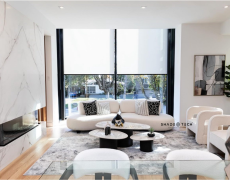
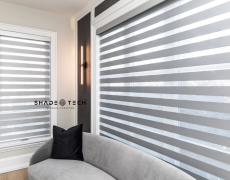







A west-facing Dallas living room can look exceptional at 9 a.m. and feel unlivable by 3 p.m. when sunlight pours through oversized glass. That is why a custom window treatment buying guide should begin with performance, not fabric swatches. The right system needs to control glare, reduce heat gain, protect furnishings, fit the architecture precisely, and work naturally with how you live or operate your business.
Custom window coverings are not a one-size-fits-all retail purchase. Window dimensions, mounting surfaces, room function, sun exposure, privacy needs, and automation requirements all affect the final result. A tailored solution costs more than an off-the-shelf blind, but it can deliver better coverage, cleaner sightlines, dependable operation, and a finished appearance that complements the property.
Start With the Room, Not the Product
Before choosing shades, blinds, or shutters, identify what the window needs to accomplish. A bedroom may need room-darkening coverage and quiet morning automation. A kitchen may need easy-clean materials and glare reduction without losing daylight. In a media room, precise light control matters more than view-through fabric. For a clinic, restaurant, or office, durability, consistency, and simple daily operation may take priority.
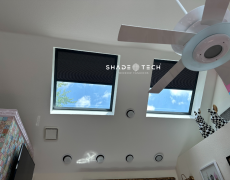
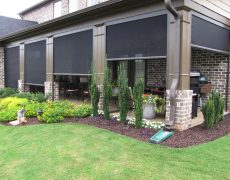
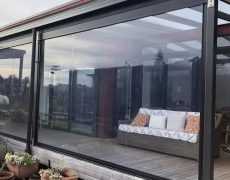
North Texas sun changes the equation. Large south- and west-facing windows can introduce substantial heat and UV exposure, particularly in contemporary homes with expansive glass walls. Solar shades can preserve a view while reducing glare and solar load. Room-darkening roller shades or layered systems may be a better fit where privacy and sleep matter most. The best choice depends on the window’s orientation, the glass performance, and how the room is used throughout the day.
It also helps to decide what should happen when the treatment is open. Some homeowners want the fabric to disappear into a compact cassette or recess. Others prefer the architectural presence of plantation shutters. If preserving a view is the main goal, the stack height and opening direction deserve as much attention as the material itself.
Custom Window Treatment Buying Guide: Choose the Right Category
Each category solves a different set of problems. The strongest installations are selected for function first, then refined for color, texture, and hardware.
Roller and solar shades
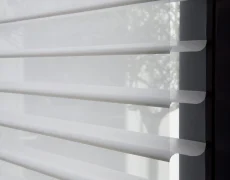
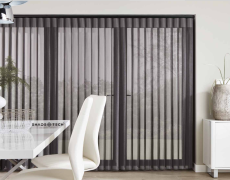
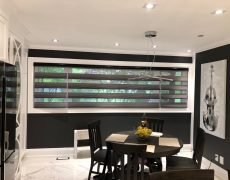
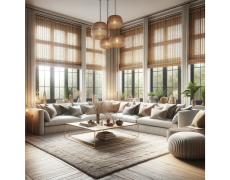
Roller shades create a clean, modern profile and work especially well on large windows, sliding doors, and high ceilings. Solar fabrics filter sunlight while maintaining outward visibility during the day. Openness factor matters: a more open weave preserves a clearer view, while a tighter weave offers more privacy and glare control.
A solar shade is not automatically the right answer for every room. At night, interior lighting can make outside visibility reverse, so a single solar shade may not provide the privacy needed in a bedroom or street-facing room. Pairing it with a room-darkening shade, drapery, or another privacy layer may be the better design decision.
Cellular shades and insulated options
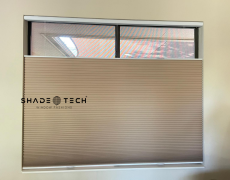
Cellular shades are designed with pockets that trap air, adding insulation at the window. They can be a practical choice for comfort-focused rooms, particularly where heat gain or heat loss is a concern. Their softer appearance may not suit every modern interior, but they deliver strong performance in bedrooms, nurseries, and spaces where energy efficiency matters more than a minimal roller-shade look.
Wood, faux wood, and aluminum blinds
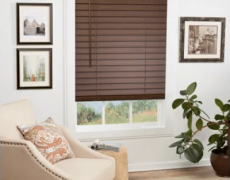
Blinds provide adjustable light control through tilting slats. Wood blinds bring warmth and natural character, while faux wood handles moisture and humidity more easily in bathrooms, laundry rooms, and kitchens. Aluminum blinds offer a slim, durable option for certain commercial applications.
The trade-off is visual complexity. Slats create more lines than a roller shade and require more regular dusting. They are often a good fit when occupants want to redirect daylight rather than simply raise or lower a shade.
Shutters
Custom shutters are a permanent architectural treatment with excellent durability and strong curb appeal. They suit traditional, transitional, and many contemporary interiors when proportioned correctly. Their louver control makes it possible to admit daylight while managing privacy, and their rigid construction can be appealing in high-use areas.
Shutters are not the most discreet option on very large or unusually shaped windows, and they require enough depth for proper mounting. A professional site evaluation should confirm whether the window frame, trim, and opening dimensions support the intended shutter style.
Measure for Performance, Not Just Fit
Precision measurement is where custom window treatments separate themselves from a retail purchase. A window may appear square but have uneven drywall, sloping sills, shallow trim, door handles, security sensors, or obstructions that affect clearance. Large windows can also vary slightly from one side to the other.
Inside mounts create a built-in appearance, but they require adequate depth and may allow small light gaps at the edges. Outside mounts can cover more of the opening and improve light control, yet they need enough wall space and careful alignment with molding, doors, and adjacent windows. For room-darkening applications, side channels, fascia, and proper overlap can make a meaningful difference.
The mounting plan should also account for the treatment when it is raised. On a wall of glass, a shade that stacks too low can interrupt the view even when open. On motorized systems, power access and wiring routes should be considered before finishes are finalized, especially in new construction or major renovations.
Decide How Much Automation Will Improve Daily Life
Motorization is most valuable when it solves a recurring inconvenience. Tall windows, banks of shades, hard-to-reach openings, and rooms with changing afternoon sun are obvious candidates. It also makes sense for homeowners who want consistent privacy and temperature control without adjusting each window manually.
A well-planned system can raise shades in the morning, lower solar shades before the strongest afternoon sun, and close bedroom treatments at bedtime. Integration with Alexa, Google Home, Apple HomeKit, and Matter-enabled smart-home systems allows shades to become part of broader scenes for lighting, security, and climate control.
Battery-powered motors can work well in many finished homes, particularly where running low-voltage wiring would be disruptive. Hardwired power is often the stronger long-term choice for new builds, extensive renovations, or large groups of automated shades. It avoids battery replacement and supports a more permanent installation, but it needs coordination early in the project.
Do not select motorization based only on an app demonstration. Ask how the shades will be grouped, whether schedules continue reliably, what happens during an internet outage, and who will set up the controls after installation. Smart shades should feel intuitive for every member of the household, not like another system that needs troubleshooting.
Evaluate Fabrics and Finishes in the Actual Light
A fabric sample under showroom lighting rarely tells the full story. Take samples to the window, view them in direct sun and after dark, and consider the wall color, flooring, and exterior view. Darker solar fabrics can reduce glare effectively and often provide better outward visibility during daylight, while lighter fabrics may brighten the room and create a softer visual effect.
For bedrooms, ask to see the difference between light-filtering and room-darkening materials. Room-darkening fabric reduces light substantially, but complete blackout usually requires careful mounting details and edge coverage. For high-UV rooms, choose materials designed to resist fading and protect flooring, artwork, and upholstery.
Hardware deserves the same scrutiny. Fascias, valances, bottom rails, brackets, and control components should match the scale of the room and the finish quality of nearby fixtures. Custom does not mean adding visual weight everywhere. Often, the most premium result is the one that appears quiet, aligned, and intentional.
Compare the Full-Service Experience, Not the Product Price Alone
A low product price can become expensive when measuring, fabrication, installation, electrical coordination, and programming are handled by separate parties. Custom window treatments perform best when one team owns the process from consultation through final adjustment.
Ask who measures the windows, who manufactures or sources the treatments, who installs them, and who supports the automation after the project is complete. Local manufacturing can shorten communication paths and provide more control over quality, dimensions, and finishing details. For Dallas-Fort Worth projects, ShadeoTech combines precision measurement, Texas-based manufacturing, professional installation, and smart-home setup under one coordinated process.
For builders and commercial clients, coordination is equally critical. Window treatments may need to align with construction schedules, accessibility requirements, safety standards, tenant needs, and repeated window layouts. A durable system with clear operating procedures is usually more valuable than a lower-cost option that creates maintenance issues later.
Set a Budget Around Priorities
Custom treatments vary widely in price because materials, window size, motorization, fabric selection, and installation complexity all matter. Rather than spreading the budget thinly across every opening, prioritize the windows with the greatest comfort, privacy, and operational impact. That may mean automating the main living area first, selecting premium solar shades for sun-exposed glass, and using a simpler manual solution in lower-use rooms.
A good proposal should make those trade-offs visible. It should distinguish between manual and motorized options, explain fabric performance, identify mounting assumptions, and include installation and programming. Clear scope protects the finished result.
The right window treatment should make a room easier to use at every hour: cooler when the Texas sun is strongest, more private when the lights come on, and more comfortable without asking you to manage every window by hand. Start with the windows that affect your day most, then build a system that earns its place in the home or business.
