

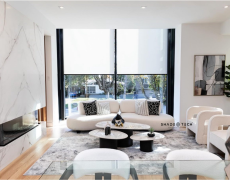
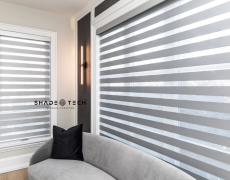
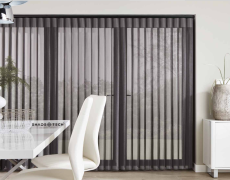
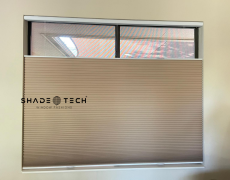

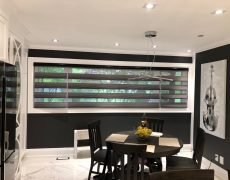
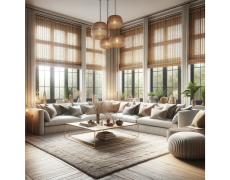
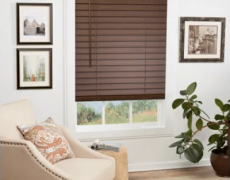
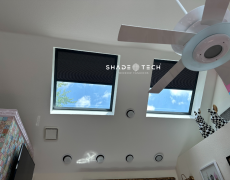


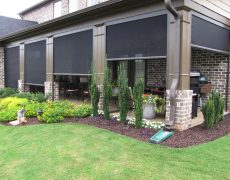

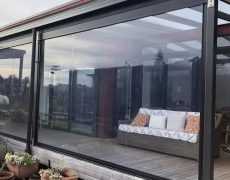



A window covering should not create a safety concern in the room where your child plays, your pet naps, or guests gather. Cordless blind safety removes the accessible lift cords that can form hazardous loops, while also giving the window a cleaner, more intentional finish. For Dallas-Fort Worth homes with expansive glass, high ceilings, and strong afternoon sun, it is a practical upgrade that supports both everyday comfort and refined design.
Why Cordless Blind Safety Deserves a Closer Look
Traditional blinds and shades often use exposed pull cords to raise, lower, or tilt the treatment. When those cords hang within reach, they can become entangled around a child or pet. Moving furniture away from windows and using cord-cleat devices can reduce access, but those measures depend on daily habits and correct use.
A true cordless system removes the dangling operating cord from the equation. Depending on the product, the shade may be adjusted by gently lifting or lowering the bottom rail, using a discreet wand, or operating through a motorized system. The visual result is cleaner, but the larger benefit is a more permanent safety-focused design decision.
For families, safety should be considered room by room. Nurseries, bedrooms, playrooms, and living spaces all deserve attention, but so do guest rooms and offices. A visiting child sees a window cord differently than an adult homeowner does. Planning for that reality is part of a well-designed home.
Choosing the Right Cordless Operating System
There is no single best cordless solution for every window. The appropriate choice depends on window size, mounting height, fabric or blind material, room use, and how often the treatment will be adjusted.
Manual cordless shades
Manual cordless shades are raised and lowered by handling the bottom rail or a concealed grip. They suit many standard-size windows and create a minimal profile, especially with roller shades, cellular shades, and certain Roman shade styles. They work well in bedrooms, secondary living areas, and spaces where a homeowner wants uncomplicated operation without visible cords.
The trade-off is reach. A manual cordless shade can be inconvenient on tall windows, behind deep furniture, or above a soaking tub. Larger shades may also require more deliberate handling than compact ones. Quality hardware and professional installation matter because the shade must lift evenly and remain level over time.
Wand-controlled blinds
A tilt wand can be a strong choice for horizontal blinds when homeowners want to control slat angle without looped cords. The wand provides a defined, easy-to-grasp control while keeping operation visually tidy. It is often more practical than a cordless lift-only design when precise daylight adjustment is a priority.
Wand control does not make every component inaccessible, so product selection still matters. The safest approach is to choose a system designed with no exposed lift cords and have the installation reviewed in the context of the room, furniture placement, and window height.
Motorized blinds and smart shades
Motorization is often the most complete answer for large, high, or hard-to-reach windows. With no operating cords to handle, a motorized shade can be controlled by a wall remote, handheld remote, app, voice command, or smart-home routine. It is especially effective for stairwells, two-story living rooms, patio doors, and banks of contemporary windows.
Motorization also adds useful daily performance. Shades can lower during peak west-facing sun, rise with a morning routine, or close automatically when a room is unoccupied. In North Texas, that means better control of glare, UV exposure, and solar heat gain without asking someone to cross the room several times a day.
Battery-powered motors offer a clean installation with minimal wiring in many retrofit projects. Wired power can be preferable for frequently used shades, large installations, or new construction, where long-term power planning is easier. The right choice depends on access, electrical conditions, and the number of shades being automated.
Cordless Blind Safety Is Also a Design Decision
Safety upgrades should not make a home feel institutional. In a custom window treatment plan, cordless operation can actually improve the finished appearance. Without pull cords, tassels, and cord loops interrupting the window, fabrics and architectural lines take center stage.
That cleaner look is valuable in homes with large glass walls, open-concept living spaces, and modern trim details. It also supports a more polished presentation in medical clinics, restaurants, hospitality settings, and professional offices, where exposed cords can look dated and collect dust.
The window treatment itself still needs to fit the room. Solar shades may be ideal where view preservation and glare control matter. Cellular shades can improve insulation at windows that receive intense heat. Wood or composite blinds bring adjustable light control, while shutters offer a durable, built-in appearance. Cordless operation is one layer of the decision, not the entire specification.
What to Check in an Existing Home
If your home already has corded blinds, begin with the windows children and pets can access most easily. Look for looped cords, continuous chain loops, long tassels, cords hanging behind furniture, and controls near cribs, beds, or window benches. Also look at windows in less-used rooms. A treatment that is rarely operated can still present a concern.
Temporary cord-management devices may be appropriate while you plan a replacement, but they should not be mistaken for the same thing as a cordless system. They must be properly installed, kept in working order, and used consistently. When a room is being remodeled, a nursery is being prepared, or window treatments are being replaced anyway, moving to cordless or motorized operation is typically the more durable solution.
Be cautious about retrofitting a product beyond its intended design. Adding components from another system or modifying lifting mechanisms can affect operation and may not provide the safety result you expect. A professional assessment is particularly helpful for oversized shades, unusual window shapes, and installations with multiple treatments on one wall.
Installation Details That Affect Safety and Performance
Even a premium cordless shade can perform poorly if it is measured or installed incorrectly. The treatment needs sufficient clearance to move freely, a mounting surface that supports the hardware, and proper alignment so it raises and lowers smoothly. On wide windows, small measurement errors become more visible and can affect function.
Professional installation also creates an opportunity to consider the whole room. Furniture layouts, HVAC vents, door swings, window handles, and charging access for battery motors all influence the final plan. For motorized projects, controls should be placed where they are convenient for adults without adding visual clutter.
At ShadeoTech, custom fabrication and installation planning allow cordless and motorized solutions to be specified around the actual window, not forced into a retail size. That is especially useful in Dallas-area homes, where oversized glass, bright exposures, and tall ceilings are common design features rather than exceptions.
Questions Homeowners Often Ask
Are cordless blinds safer than corded blinds?
Cordless products eliminate the accessible dangling lift cords associated with many window-covering hazards. They are generally the preferred option for homes with young children and pets, provided the specific product is designed and installed correctly.
Are motorized shades worth it for safety alone?
For a small, easy-to-reach window, a manual cordless shade may provide the safety benefit you need at a lower cost. Motorization becomes more compelling when windows are high, wide, frequently adjusted, exposed to strong sun, or part of a larger smart-home plan.
Can cordless shades still provide privacy and light control?
Yes. Cordless operation changes how a shade moves, not what it can do. The fabric opacity, blind slat design, top-down or bottom-up configuration, and automation schedule determine how much privacy, daylight, and view control the room receives.
A safer window treatment should never feel like a compromise in comfort or style. When the operating method, fabric, and installation are planned together, the result is a quieter-looking window, more reliable daily control, and a home that is better prepared for everyone who uses it.
