


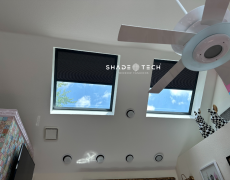


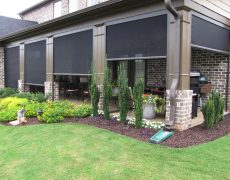

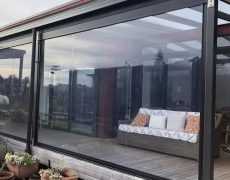



A patient changing for an exam should not need to wonder whether someone in the parking lot can see into the room. A receptionist should be able to use a computer near a front window without screen glare exposing sensitive information. Effective clinic privacy solutions address these everyday realities while making the space feel calm, professional, and easy to operate.
For Dallas-Fort Worth clinics, privacy also has a climate component. Large windows bring valuable daylight into waiting rooms, procedure rooms, and offices, but North Texas sun can create uncomfortable heat, harsh glare, UV damage, and visibility concerns within the same few hours. The right window treatment plan gives staff control over each of those variables without making the clinic feel closed in.
Privacy Is More Than Blocking the View
Medical privacy begins with thoughtful facility design, staff procedures, and compliance practices. Window coverings are one practical part of that system. They can prevent sightlines into treatment spaces, reduce reflections on monitors, and help patients feel less exposed when they are receiving care.
The best approach depends on the room. A street-facing exam room has different requirements than a second-floor consultation office, and a pediatric waiting area needs a different balance of daylight and privacy than a diagnostic room. Treating every window the same usually produces a patchwork result: some rooms are too dark, others remain exposed, and staff are left adjusting cords or blinds throughout the day.
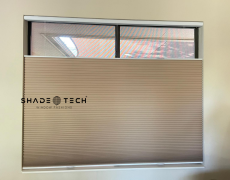
Custom shades create room-specific control. They are measured for the actual opening, selected for the room’s purpose, and installed to operate consistently. That matters in a clinic, where a poorly fitted shade or unreliable mechanism becomes one more distraction for staff.
Where Clinic Privacy Solutions Make the Biggest Difference
Exam and treatment rooms
In exam rooms, privacy should be immediate and uncomplicated. A roller shade with an appropriate opacity can block outside views while still allowing filtered daylight into the room. For spaces facing nearby offices, parking areas, or residential properties, a privacy-focused fabric is often the better choice over an open weave solar shade.
This does not always mean blackout. Full blackout shades are valuable for imaging, recovery, light-sensitive procedures, or rooms where a provider needs total light control. In a standard exam room, however, an opaque or room-darkening fabric may provide the privacy required while maintaining a more comfortable daytime environment.
Reception and waiting areas
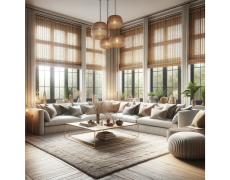
Waiting rooms need privacy without the heavy feel of permanently covered windows. Solar shades are often a strong fit because they reduce glare and heat while preserving some outward visibility during daylight hours. The key is selecting the correct openness factor and understanding the direction each window faces.
West-facing glass in Dallas can receive punishing afternoon sun. A light-filtering or solar fabric can reduce glare at reception desks and help protect furniture, flooring, and wall finishes from UV exposure. If the waiting room is visible from a busy sidewalk or parking lot after dark, pairing a daytime solar shade with a second privacy shade gives the clinic more complete control.
Consultation, billing, and administrative offices
Privacy needs can be more nuanced in offices where financial, health, or personal conversations take place. A shade will not make a room acoustically private, so it should never be treated as a substitute for proper wall construction, door seals, or sound-management planning. It can, however, prevent visual access to paperwork, computer screens, and confidential meetings.
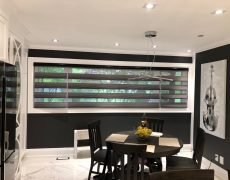
For these spaces, designers often favor clean-lined roller shades or shutters that complement a polished interior while allowing staff to quickly adjust the room for a private conversation. Motorization is especially useful when windows are tall, behind furniture, or located in a multi-purpose office.
Procedure and specialty care areas
Specialty clinics may have needs that go beyond ordinary light filtering. Dermatology offices, med spas, fertility clinics, physical therapy centers, and outpatient facilities often use rooms where patients change clothing, receive treatments, or need a more controlled environment.
Here, the fabric selection, mounting method, and coverage matter as much as appearance. Side gaps, exposed top edges, and undersized shades can undermine privacy and light control. A professional measurement process identifies those conditions before manufacturing, rather than asking the installer to improvise on site.
Choose the Right Shade Type for the Job
Roller shades are a natural choice for many medical environments because they have a minimal profile, operate cleanly, and are available in a wide range of performance fabrics. They work well with contemporary clinic interiors and large commercial window openings.
Solar shades are designed to manage glare, heat, and UV exposure while retaining a degree of visibility. They are ideal in lobbies, staff offices, and daytime-facing spaces where exterior views remain useful. Their limitation is nighttime privacy: when interior lights are brighter than the outdoors, occupants may be visible from outside. That is why solar shades should be evaluated by room use, not selected as a one-size-fits-all solution.
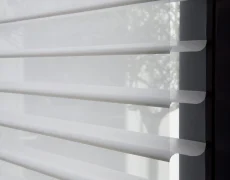
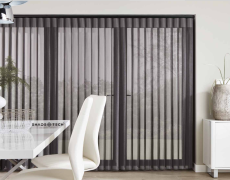
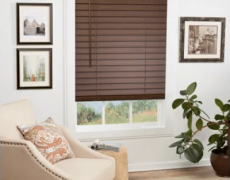
Light-filtering and privacy fabrics offer more coverage while keeping a softer daylight effect. Blackout shades provide the greatest light blockage and visual privacy, though even blackout performance can be affected by perimeter gaps around the shade. When near-total darkness is required, the hardware and installation details need to support that goal.
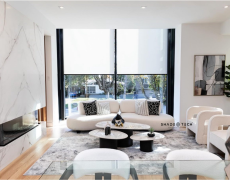
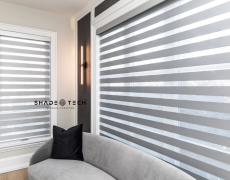
Dual-shade systems are often the most flexible option for premium clinics. A solar shade can stay down during business hours to control heat and glare, while a separate privacy or blackout shade is available when needed. This setup costs more than a single shade, but it can eliminate the compromise between a bright, welcoming space and dependable privacy.
Motorization Helps Staff Respond Faster
A clinic should not rely on staff members walking from room to room to manage sun exposure. Motorized shades allow the team to raise, lower, or group shades with a wall control, remote, app, or smart-home platform. In a commercial setting, that translates into fewer interruptions and more consistent comfort across the facility.
Automation can also respond to predictable conditions. Reception shades can lower before direct afternoon sun reaches the desk. East-facing rooms can open after the morning glare period. Procedure rooms can be placed on simple presets that staff activate before an appointment begins.
The right system should be selected for the clinic’s workflow, not added as a novelty. Battery-powered motors can suit certain retrofit situations, while hardwired power may be preferable for large projects, high-use windows, or a new construction build. Compatibility with Alexa, Google Home, Apple HomeKit, and Matter can be useful, but reliable controls and professional setup should come first.
Design for Cleaning, Durability, and Daily Use
Healthcare-adjacent interiors need materials that hold up to regular cleaning and repeated operation. Fabric choice should consider how easily the shade can be maintained, how it performs under strong sun, and whether its texture supports the clinic’s design standard. Neutral colors often create a calm, professional setting, but the finish should also coordinate with flooring, millwork, paint, and the amount of natural light in the room.
Cordless and motorized systems also remove dangling control cords from patient-facing areas. That creates a cleaner visual line and reduces clutter around windows, especially in pediatric practices and busy treatment rooms.
Local manufacturing and installation add practical value here. A custom provider can confirm dimensions, mounting surfaces, window depth, power access, and fabric performance before the order is produced. ShadeoTech manufactures locally in Carrollton and installs across the Dallas area, allowing clinics to work through those project details with one accountable team rather than coordinating separate retailers, installers, and automation providers.
Start With the Window Conditions, Not the Product Catalog
The strongest clinic privacy plan begins with a room-by-room assessment. Identify who can see in, when glare occurs, whether patient changing or treatment takes place there, how much daylight the room needs, and whether staff need fast control. Then select a shade system that answers those specific conditions.
A well-designed window treatment should fade into the background when everything is working properly. Patients feel more comfortable, staff spend less time fighting sun and glare, and the clinic presents the quiet confidence people expect from a carefully run care environment.
