

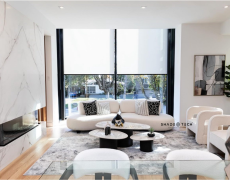
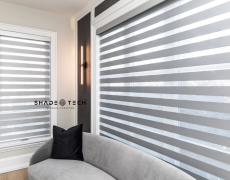
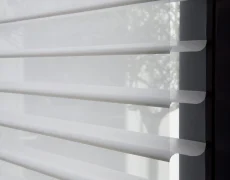
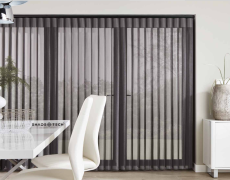

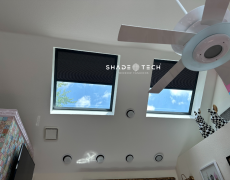


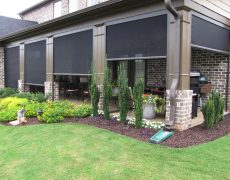

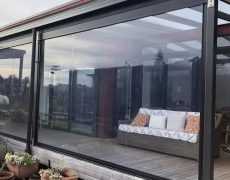



A patient changing for an exam should not have to wonder whether someone can see through a street-facing window. A clinician reviewing imaging should not be fighting afternoon glare. Clinic privacy shades solve both problems while giving the space a more composed, professional finish. For Dallas-Fort Worth practices, the right system also helps manage intense sunlight, heat gain, and UV exposure without making treatment rooms feel closed off.
The best choice is rarely an off-the-shelf blind. Medical offices have different privacy needs by room, frequent cleaning requirements, varied window sizes, and daily workflows that deserve careful planning. Custom shades allow a clinic to protect patient comfort while keeping the facility bright, efficient, and easy to operate.
What Clinic Privacy Shades Need to Do
Privacy is the first requirement, but it is not the only one. A treatment room may need full visual blockage. A reception area may need filtered daylight and reduced glare while preserving an inviting connection to the outdoors. An imaging room may require more precise light control than a staff office.
That is why fabric opacity, shade style, mounting method, and controls should be selected together. A shade that looks appropriate in a lobby may be inadequate for an exam room. Conversely, a blackout solution in every public area can make a clinic feel unnecessarily dark and institutional.
Well-designed clinic privacy shades should support four practical goals:
- Preserve visual privacy for patients and staff
- Reduce glare on monitors, check-in screens, and diagnostic displays
- Limit solar heat and UV exposure at sun-facing windows
- Maintain a clean, polished appearance through frequent use and cleaning
For healthcare settings, privacy shades should be part of the room plan, not a last-minute addition after furniture and equipment are already in place.
Match Shade Opacity to Each Room
Opacity determines how much light passes through a shade and how clearly people can see in or out. It is one of the most consequential decisions in a clinic, particularly for ground-level offices or buildings with nearby parking, sidewalks, and neighboring suites.
Exam, Consultation, and Procedure Rooms
These spaces typically call for room-darkening or blackout materials, depending on the service provided and the window exposure. Room-darkening fabrics provide strong visual privacy and meaningful glare reduction while allowing a small amount of light around the edges or through the material. Blackout shades are designed for the highest level of light blockage.
Blackout is not automatically the right answer. If a room is used for routine consultations as well as procedures, complete darkness may be more than necessary. A dual-shade system can be the better investment: a solar shade for daytime comfort and a blackout shade for examinations, imaging review, or after-hours privacy.
Reception Areas and Waiting Rooms
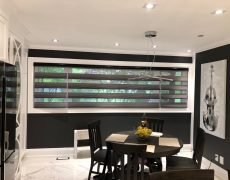
Waiting spaces benefit from daylight, but uncontrolled sun can create uncomfortable seating, faded finishes, and screen glare at check-in. Solar roller shades are often a strong fit because they soften harsh light and reduce heat while maintaining an outward view during the day.
The trade-off is nighttime privacy. Once interior lights are brighter than the exterior, many solar fabrics provide limited privacy. If the clinic operates after dark or faces a busy street, pair solar shades with a secondary privacy layer or select a more opaque fabric for key windows.
Offices, Staff Areas, and Administrative Spaces
Privacy needs may be lower here, but glare control still affects productivity. Light-filtering shades can create a comfortable work environment without over-darkening the room. For offices that face west or have large expanses of glass, motorized solar shades can make late-day light much easier to manage.
Choose Materials That Suit Clinical Use
A healthcare environment does not need to look cold to be practical. The right technical fabrics offer a refined texture and neutral color palette while holding up to repeated operation and routine maintenance.
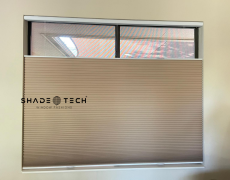
Roller shades are commonly specified for clinics because they have a clean profile, minimal visual clutter, and a wide range of privacy and solar-control fabrics. Their straightforward construction also makes them easier to keep looking orderly than heavily layered window treatments. Cellular shades can offer additional insulation, although their pleated construction may not be the preferred choice where the simplest possible cleaning routine is a priority.
Material selection should also account for the clinic’s cleaning protocol. Ask about manufacturer care guidance, stain resistance, and whether a damp-wipe cleaning method is appropriate. Avoid assuming that every fabric tolerates the same cleaning agents. The cleaning team needs clear instructions that protect the shades without damaging coatings, hardware, or motor components.
For locations near procedure areas, consider how cords, chains, and exposed components affect the room’s appearance and maintenance needs. Cordless or motorized systems create a cleaner finish and remove a common point of daily wear.
Motorization Supports Privacy Without Interrupting Care
Manual shades work well in smaller offices, but they can become inconvenient in a clinic with multiple rooms, tall windows, or a fast-paced staff. Motorized clinic privacy shades let staff adjust several windows from a wall control, remote, or programmed schedule instead of walking room to room.
That convenience has real operational value. Reception shades can lower before afternoon sun reaches the check-in desk. Exam room shades can move to a privacy position before the first appointment. At closing, staff can secure street-facing windows with one command rather than checking each room individually.
Automation can also reduce inconsistent use. If a shade only performs when someone remembers to lower it, comfort and privacy vary throughout the day. Scheduled settings provide a more dependable baseline, while manual controls remain available for patient preferences and changing clinical needs.
For smart facilities, integration with Alexa, Google Home, Apple HomeKit, or Matter-compatible systems can centralize control. Still, automation should be designed around staff workflows, not added simply because the technology is available. A reliable wall control in each room remains valuable, especially when quick privacy adjustments are needed during an appointment.
Plan for Window Size, Mounting, and Sightlines
A shade performs only as well as its measurement and installation. Even a high-quality blackout fabric can allow distracting light gaps if the mounting approach does not account for the window frame, trim, sill depth, and surrounding obstructions.
Inside-mounted shades offer a tailored, architectural appearance when the window recess is deep and square enough. Outside-mounted shades can provide better coverage for shallow frames or when privacy and light blockage are the highest priorities. In certain rooms, side channels or carefully planned overlap may be appropriate to reduce edge light.
Large contemporary windows require additional attention. Wider shades need properly specified tubes, brackets, and motors so the fabric stays aligned and operates smoothly over time. This is especially relevant in North Texas, where direct sun can intensify heat and expose weak components or poorly selected fabrics.
Professional measurement also identifies practical issues early: sprinkler clearances, door swings, medical equipment placement, furniture access, and whether controls are reachable for staff. These details determine whether a shade feels like an integrated part of the clinic or an obstacle added after the fact.
Design for Privacy Without Losing a Welcoming Feel
Clinical privacy does not require dark colors or a heavy appearance. Soft whites, warm grays, muted taupes, and carefully selected woven textures can complement a modern medical interior while reducing the sterile feel that patients often associate with healthcare spaces.
Color also affects performance. Darker solar fabrics can sometimes provide clearer outward views and stronger glare control, while lighter fabrics may make a room feel brighter and more open. The best choice depends on the room’s orientation, exterior conditions, interior finishes, and the level of privacy required.
A coordinated approach across reception, corridors, offices, and treatment rooms gives the practice a more intentional appearance. The fabrics do not need to match exactly, but they should work together. A patient notices when the facility feels considered, even if they cannot name the window treatment system behind that impression.
Why Custom Installation Matters for Clinics
Clinic projects have less room for guesswork than a typical retail purchase. Standard sizes may leave gaps, mounting hardware may not suit the window construction, and consumer-grade controls can be difficult to manage across multiple rooms. A custom system is built around the actual opening, function, and operating demands of each space.
ShadeoTech provides local measurement, Texas manufacturing, professional installation, and smart-control setup in one coordinated process. That approach is particularly useful for clinics, contractors, and builders managing timelines, detailed finish requirements, and large or unusually shaped windows.
Start with the moments that matter most: a patient entering an exam room, a receptionist facing the afternoon sun, a provider reading a screen, and a team closing the practice at the end of the day. When shades are planned around those real experiences, privacy becomes a quiet part of better care rather than another task for staff to manage.
