








A sun-filled sanctuary can be beautiful at 9 a.m. and distracting by 11. When glare reaches the pulpit, projected lyrics disappear, or west-facing windows raise the temperature before an evening service, the problem is not the architecture. It is uncontrolled light. Custom church window shades give congregations a practical way to preserve daylight while improving comfort, visibility, privacy, and energy performance.
For churches, the right shading system must do more than cover glass. It has to suit the character of the worship space, operate quietly around services, accommodate large or hard-to-reach windows, and stand up to daily use by staff and volunteers. The best solution is typically a measured, professionally installed system designed around the room’s orientation, window dimensions, and actual schedule of use.
Why churches need more than basic window coverings
Church buildings create an unusual mix of requirements. A sanctuary may have tall clerestory windows, stained glass, contemporary floor-to-ceiling glazing, and media equipment all in the same room. Fellowship halls, classrooms, offices, nurseries, and multipurpose spaces each need a different balance of light control and privacy.
Off-the-shelf blinds can look inconsistent across large window banks and often leave gaps that allow glare to pass through. They can also be difficult to operate safely at height. A custom shade system provides a cleaner architectural finish, with fabrics and hardware selected to match the scale of the space rather than forcing a residential product into a commercial setting.
In North Texas, solar heat is another serious consideration. Broad south- and west-facing glass can make a room uncomfortable long before the HVAC system catches up. Solar shades reduce direct heat and harsh light at the window, helping maintain a more even temperature for worshippers, staff, students, and guests. The result is a more comfortable environment without closing the room off from natural light.
Choosing church window shades by room function
The most effective shade plan does not use one fabric or opacity everywhere. Each area should be evaluated based on its use, its exposure, and the experience the church wants to create.
Sanctuaries and worship spaces
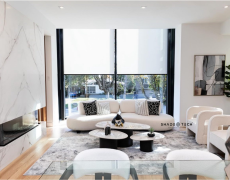
Sanctuaries often benefit from solar roller shades or dual-shade systems. Solar fabrics filter glare and UV exposure while retaining an outward view and a sense of daylight. This can be particularly valuable where windows frame a campus, garden, or skyline that contributes to the architecture of the room.
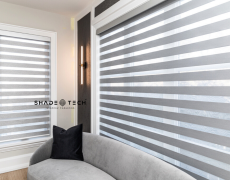
For services involving projection, video, or livestreaming, blackout-capable shades may be necessary on selected windows. A dual system can pair a light-filtering solar shade for daytime use with a room-darkening shade for presentations, concerts, or special events. This approach avoids the all-or-nothing choice between open glass and a darkened room.
Quiet operation matters here. Motorized shades move smoothly without cords, chains, or the interruption of staff adjusting multiple windows by hand while people are gathering. Programmed scenes can lower the appropriate shades before a service begins and raise them afterward.
Fellowship halls and multipurpose rooms
These rooms change purpose throughout the week. A fellowship hall may host a breakfast, Bible study, wedding reception, youth event, and community meeting in a few days. Light-filtering roller shades are a strong fit because they soften direct sun, protect tables and flooring, and keep the room open and welcoming.
If the space is used for presentations, consider shades with lower openness factors or room-darkening options on screen-facing walls. The key is to control glare on demand without making daytime events feel closed in.
Classrooms, nurseries, and offices
Privacy and safety take priority in children’s areas and administrative spaces. Cordless and motorized systems remove hanging cord hazards and reduce wear from frequent handling. Room-darkening fabrics can also support nap schedules in nurseries or improve screen visibility in classrooms.
For offices, solar shades offer a polished solution for computer glare while preserving the daylight employees prefer. They are also easier to keep visually consistent across a suite of rooms than mismatched individual blinds.
Lobbies and public-facing glass
Large entry glazing creates a strong first impression, but it can also expose reception areas to heat and glare. Motorized solar shades maintain the contemporary look of the glass while helping protect furnishings, artwork, and flooring from UV fading. In spaces that need after-hours privacy, a second opaque layer or dedicated privacy shade may be appropriate.
Fabric openness, color, and light control
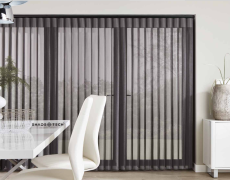
Shade fabric selection has a direct effect on performance. Openness refers to the weave of a solar shade fabric and how much light and view it allows through. A 1% openness fabric delivers stronger glare reduction and more daytime privacy, while a 5% openness fabric admits more daylight and offers a clearer outward view.
There is no universally correct openness level. A sanctuary with strong western sun and projection screens may need a tighter weave than a shaded administrative wing. Fabric color also affects the result. Darker solar fabrics generally preserve outward visibility better during the day, while lighter fabrics can make a room feel brighter and may coordinate more easily with traditional interiors.
For full light blocking, use a true blackout or room-darkening fabric with side-channel or overlap details where appropriate. Standard roller shades can significantly reduce light, but minor gaps at the sides are normal unless the system is designed specifically for maximum darkening. This distinction is worth discussing before installation, especially when media use is part of the project.
Why motorization makes sense for churches
Motorized church window shades are not simply a luxury feature. In a large building, they solve practical operational problems. High windows become usable. Staff no longer need ladders or poles. Multiple shades can move together, creating an even appearance across a large wall of glass.
Automation also reduces reliance on whoever happens to be opening or closing the building that day. A programmed schedule can lower sun-facing shades before afternoon heat builds, then raise them after the direct exposure has passed. For a church with recurring worship times, that consistency can improve comfort while helping reduce unnecessary HVAC demand.
Smart controls can be managed by wall switches, handheld remotes, tablets, and compatible smart-home platforms such as Alexa, Google Home, Apple HomeKit, and Matter-enabled systems. For commercial-scale installations, the right control approach depends on who will manage the system and how much automation the facility actually needs. Simple grouped controls are often the best fit for a smaller congregation, while larger campuses may benefit from scheduled scenes by room or building zone.
Battery-powered motors can be useful where wiring access is limited. Hardwired motorization is typically the stronger long-term choice for new construction, major renovations, or large shade counts because it avoids periodic battery maintenance. Solar charging can also be considered in suitable locations, though window orientation and available light should be evaluated rather than assumed.
Protecting architecture, furnishings, and sacred spaces
Ultraviolet exposure gradually damages more than carpet and upholstery. It can fade wood finishes, printed materials, wall coverings, artwork, and certain fabrics. In historic worship spaces, it may also affect valued interior details that are difficult or expensive to restore.
Shades cannot replace specialized conservation measures for stained glass or historic artifacts. However, a thoughtfully designed shading plan can reduce direct sunlight on vulnerable interior surfaces and create more predictable conditions throughout the day. The system should respect the building’s architecture rather than compete with it. Clean roller shade profiles may disappear into the window opening, while carefully selected fabrics can complement traditional trim, contemporary finishes, or a restrained sanctuary palette.
Professional measurement and installation are part of the result
Large windows, uneven openings, decorative trim, and high ceilings leave little room for guesswork. A shade that is only slightly undersized may allow distracting edge glare. One that is mounted without accounting for handles, mullions, sprinklers, or trim may not operate properly or may look like an afterthought.
Professional measurement determines the right mounting method, bracket placement, fabric size, power plan, and control grouping before the order is made. Installation matters just as much. Commercial and worship environments need secure hardware, aligned shade lines, clean wire management where applicable, and controls that staff can understand without a training manual.
For Dallas-Fort Worth churches, ShadeoTech can manufacture custom systems locally and coordinate measurement, installation, and smart-control setup as one project. That factory-direct approach helps keep decisions connected from the first site evaluation through final programming.
The most successful church shade projects begin with a simple question: what should this room feel like at the time people use it? Once glare, heat, privacy, view, media use, and architectural character are considered together, the right solution becomes much clearer. Well-planned shades should fade into the background, leaving the congregation focused on the space, the service, and one another.
