








Exterior solar screen buyer reviews can be remarkably useful, but only when you read beyond a five-star rating. A homeowner in a shaded neighborhood may praise a screen for privacy, while a West-facing Dallas home needs it to cut punishing afternoon heat without turning the living room into a cave. The best feedback explains the home, the exposure, the product configuration, and the quality of the installation.
For North Texas properties, exterior solar screens are not a small cosmetic upgrade. They can reduce glare, protect interior finishes from UV exposure, improve patio comfort, and lower the solar load hitting expansive glass. The results, however, depend on fabric openness, screen color, mounting method, motor quality, and the team measuring and installing the system.
How to Read Exterior Solar Screen Buyer Reviews
The most credible reviews describe a specific problem and a measurable outcome. Look for comments such as reduced glare on a television, a patio that became usable in late afternoon, or a room that no longer feels hot near the windows. These details tell you far more than general praise for a product.
Pay attention to whether the reviewer mentions the direction their windows or outdoor space faces. East and west exposures typically create the toughest conditions because the low-angle sun passes directly through glass and under many patio covers. South-facing exposures can receive heavy, sustained solar gain. A screen that performs well on one side of a house may need a different fabric or control strategy on another.
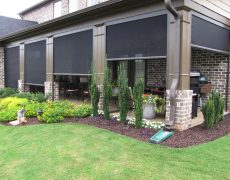
Reviews should also distinguish between fixed exterior solar screens and retractable or motorized systems. Fixed screens provide consistent shading and are often an efficient solution for windows that always need heat and glare control. Motorized exterior screens give homeowners more flexibility: lower them during intense sun, raise them for an open view, or automate them around daily routines. Neither choice is universally better. The right one depends on the architectural opening, desired access, wind exposure, and how the space is used.
What Satisfied Buyers Usually Mention
Comfort is the first theme in strong exterior solar screen buyer reviews. Buyers often notice that a sun-facing room feels more even in temperature, or that a covered patio no longer becomes unusable at dinner time. Exterior placement matters because the screen intercepts a significant amount of sunlight before it reaches the glass and becomes indoor heat.
The second theme is visual control. Premium solar mesh can soften glare while maintaining outward visibility during daylight hours. That balance is especially valuable for contemporary homes with large window walls, pool views, and open-plan living areas. Still, buyers should be realistic: a tighter weave creates more shade and privacy, but it also reduces view clarity and daylight. Reviews that explain this trade-off are generally more useful than those promising both maximum openness and maximum blockage.
Durability is another recurring signal. Well-built exterior systems use weather-appropriate fabrics, corrosion-resistant components, properly tensioned guides or tracks, and mounting hardware selected for the surface. In North Texas, heat, wind, dust, and sudden storms can expose weaknesses quickly. Reviews that mention several seasons of smooth operation, stable fabric tension, and hardware that still looks clean carry more weight than feedback posted immediately after installation.
Finally, homeowners often remember the service experience. Exterior screens must fit precisely. An opening that is slightly out of square, a brick surface with inconsistent mortar lines, or a modern façade with limited mounting points can complicate installation. Positive comments about careful measuring, clean wiring, respectful crews, and thorough operation training are not minor details. They are indicators that the system was designed as a finished architectural element rather than treated as an off-the-shelf add-on.
Red Flags Hidden in Negative Reviews
A negative review does not automatically mean the screen itself is poor. It may reveal an expectation issue. For example, exterior solar screens provide meaningful daytime privacy, but they do not create total nighttime privacy when interior lights are on. A homeowner expecting a blackout effect from an open-weave solar fabric will be disappointed, even if the product is functioning exactly as specified.
Wind-related complaints deserve a closer look as well. Large outdoor openings need the right retention system and fabric selection for the conditions. Cable-guided or loosely secured shades may suit some protected applications, while wider openings and exposed patios often benefit from engineered track systems that hold the screen more securely. If multiple reviews mention rattling, edge gaps, or screens stopping in wind, ask whether the original design matched the opening and exposure.
Motorization feedback should be read with the same care. A motorized screen is only as convenient as its programming, electrical planning, and smart-home integration. Reviews describing unreliable operation can stem from weak Wi-Fi coverage, poorly located power, incomplete setup, or a system that was never properly calibrated. When the goal is Alexa, Google Home, Apple HomeKit, or Matter-enabled control, the installer should confirm compatibility before fabrication and explain exactly how the system will operate after installation.
Questions to Ask Before You Compare Quotes
Price matters, but an exterior screen quote is not meaningful unless the scope is comparable. Two proposals can appear similar while including very different fabric grades, hardware, controls, electrical work, and installation methods. A lower initial number may omit the elements that determine how polished and dependable the finished system feels.
Ask each provider to explain the fabric openness factor and color recommendation for your specific exposure. Openness affects shade, privacy, view, and airflow. Darker fabrics often preserve a clearer outward view, while lighter colors can better complement a façade and may reflect more light. The ideal choice is not simply the darkest fabric or the tightest weave. It is the fabric that matches your comfort goals without compromising how you want the home to look and feel.
Confirm how the system will be mounted and how side gaps will be managed. This is particularly important for patios, restaurants, medical clinics, and commercial entrances where the screen may need to help with sun, insects, windblown debris, and visual separation. Ask about drainage, access for maintenance, wind limitations, and what happens if a power outage occurs.
For motorized projects, discuss control options early. Wall switches, handheld remotes, mobile apps, voice control, scheduled scenes, and sun sensors each serve different purposes. A homeowner may want screens to lower automatically before the afternoon sun reaches a family room. A restaurant manager may need staff-friendly controls that raise several patio screens at once. The best configuration is the one that fits real daily behavior, not the longest feature list.
Why Local Measurement Changes the Outcome
Exterior solar screen systems are frequently judged by their fit. On a custom home, even a small measurement error can look obvious against clean stucco lines, stone, brick, or contemporary metal cladding. Local measurement also allows a specialist to assess details that photos and online forms cannot fully show: actual sun angle, window recess depth, drainage paths, structural attachment points, available power, and obstructions such as lighting, fans, or downspouts.
That hands-on process is especially valuable in Dallas-Fort Worth, where large glass openings and strong sun are common design features. ShadeoTech manufactures locally in Carrollton and coordinates consultation, precision measurement, fabrication, installation, and smart-home setup as one service path. That approach helps avoid the handoffs that can create confusion between a retailer, a separate installer, and an automation provider.
The Review Standard Worth Using
The most helpful review is not necessarily the most enthusiastic one. It is the one that sounds like your project: similar exposure, similar opening size, similar expectations for visibility, and a similar need for automation or privacy. Use reviews to identify patterns in craftsmanship and service, then use a professional consultation to test whether those results are realistic for your property.
A well-specified exterior solar screen should feel quiet, intentional, and easy to live with. When the afternoon sun arrives, the room or patio should simply work better – with less glare, less heat, and no need to sacrifice the architecture that made the space appealing in the first place.
